



Best way to preserve garden tomatoes for winter sauces?

There’s nothing quite like the taste of a sun-ripened tomato straight from the garden. As summer winds down and your tomato plants are bursting with a bountiful harvest, the question inevitably arises: how can you capture that fresh, vibrant flavor to enjoy in rich, hearty sauces throughout the cold winter months? Preserving your garden tomatoes is simpler than you might think, and with a few key methods, you can ensure a delicious taste of summer long after the first frost.
The Easiest Route: Freezing Tomatoes
Freezing is arguably the simplest and least labor-intensive way to preserve tomatoes for winter sauces, especially for large quantities. You don’t need special equipment beyond freezer-safe containers or bags. Tomatoes can be frozen whole, chopped, or pureed.
Whole or Chopped Freezing
For whole tomatoes, simply wash them and remove the core. For easy peeling later, a quick blanch in boiling water for 30-60 seconds followed by an ice bath will loosen the skins, though it’s not strictly necessary if you plan to cook them down for sauce.

Lay whole or chopped tomatoes on a baking sheet to freeze individually before transferring them to freezer bags. This prevents them from clumping together, making it easier to grab just what you need. When ready to use, simply drop the frozen tomatoes directly into your simmering sauce. The skins will often slip off easily once thawed slightly or cooked.
The Classic Approach: Canning Tomatoes
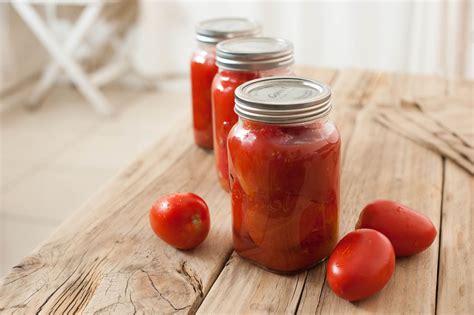
Canning offers a shelf-stable solution, freeing up valuable freezer space. It requires a bit more equipment and attention to detail but results in beautifully preserved tomatoes ready for any recipe. Water bath canning is suitable for tomatoes due to their natural acidity, but it’s crucial to add additional acidity to ensure safety.
Preparing for Canning
Wash your tomatoes thoroughly. You can can them whole, crushed, diced, or as a puree. To remove skins, blanch tomatoes in boiling water for 30-60 seconds, then immediately plunge them into an ice bath. The skins should slip off easily. Remove cores and any blemishes.

For safe water bath canning, you *must* add acid. Add 1 tablespoon of bottled lemon juice or 1/4 teaspoon of citric acid per pint jar, or 2 tablespoons of bottled lemon juice or 1/2 teaspoon of citric acid per quart jar. This ensures the pH level is low enough to prevent botulism. Pack prepared tomatoes into hot, sterilized jars, leaving appropriate headspace (usually 1/2 inch). Cover with hot water or juice, remove air bubbles, and seal with two-piece lids.
Process in a boiling water canner according to tested recipes for your altitude and jar size. Always consult reliable canning guides (e.g., USDA) for precise processing times.
Flavor Intensification: Roasting and Freezing
If you want to add a deeper, more caramelized flavor to your winter sauces, roasting your tomatoes before freezing is an excellent option. Roasting concentrates their sweetness and brings out an umami richness.
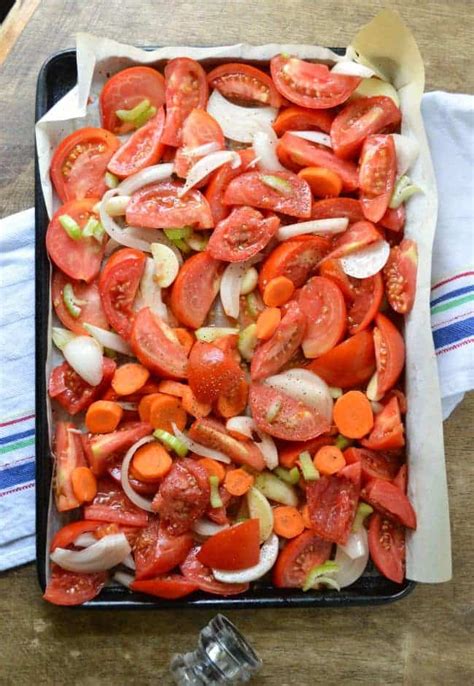
How to Roast Tomatoes
Halve or quarter your tomatoes, toss them with a little olive oil, salt, and pepper (and perhaps some garlic or herbs if desired), then spread them in a single layer on baking sheets. Roast in a moderately hot oven (around 375-400°F or 190-200°C) until softened and slightly caramelized, typically 45-90 minutes depending on the size and water content of the tomatoes. Let them cool, then pack them into freezer-safe containers or bags. They can be frozen whole, or you can blend them into a roasted tomato puree before freezing.
Beyond Raw: Preserving Cooked Sauces
Another highly efficient method is to transform your fresh tomatoes into finished or semi-finished sauces before preserving. This saves significant time on busy weeknights.
Cook down your garden tomatoes with your favorite aromatics (onions, garlic, basil, oregano) to create a rustic marinara, a rich pizza sauce, or even a thick tomato paste. Once cooked and cooled, these sauces can be frozen in portions or canned using the water bath method (remembering the added acidity rule if you didn’t add much already and plan to water bath can). Label everything clearly with the date and contents.
Choosing Your Preservation Path
The “best” way to preserve your garden tomatoes depends on your available time, equipment, storage space, and how you intend to use them. Freezing is quick and maintains a very fresh flavor, ideal for chunky sauces or when you want the flexibility to peel and process later. Canning provides shelf-stable convenience and is excellent for large batches of basic crushed or diced tomatoes. Roasting adds a unique depth of flavor perfect for gourmet sauces.
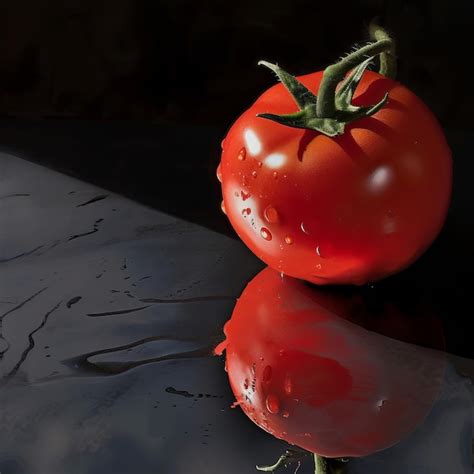
Whichever method you choose, taking the time to preserve your summer bounty will reward you with delicious, homemade winter sauces that far surpass anything from a can or jar. Enjoy the taste of your garden all year long!