




Best way to preserve summer garden bounty for year-round ‘real food’ dishes?

As the sun warms the soil and your garden explodes with vibrant life, there’s an undeniable joy in harvesting fresh, homegrown produce. The challenge, however, is making that fleeting summer abundance last. For those committed to a ‘real food’ lifestyle, preserving this bounty isn’t just about saving money; it’s about extending the season of wholesome, nutrient-rich ingredients for nourishing dishes all year long.
Embracing the ‘Real Food’ Philosophy Year-Round
Eating ‘real food’ means opting for ingredients that are minimally processed, free from artificial additives, and as close to their natural state as possible. When you preserve your own garden’s yield, you have complete control over what goes into your family’s meals, ensuring maximum flavor and nutritional value. From crisp cucumbers to juicy tomatoes and tender green beans, each preserved item is a testament to sustainable living and a deeper connection to your food source.
There are several tried-and-true methods for food preservation, each with its unique advantages and ideal uses. Choosing the right technique depends on the type of produce, your available equipment, and your desired end product.
Canning: Sealing Summer’s Flavors
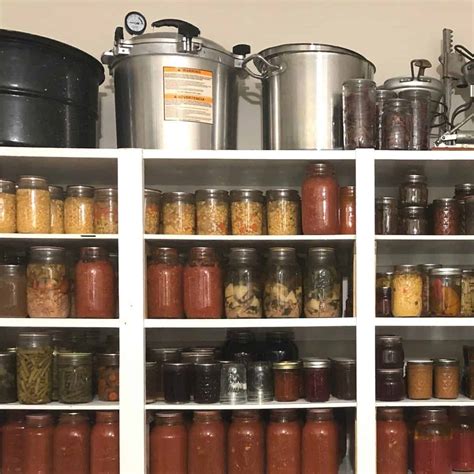
Canning is perhaps the most iconic method of food preservation, transforming perishable goods into shelf-stable pantry staples. It involves sealing food in jars and heating them to a temperature that destroys spoilage microorganisms and creates a vacuum seal. Water bath canning is perfect for high-acid foods like fruits, jams, jellies, and pickles. For low-acid vegetables, such as green beans, corn, and potatoes, a pressure canner is essential to reach the higher temperatures needed for safe preservation.
Imagine homemade marinara sauce from your own tomatoes in February, or sweet peach preserves to brighten a winter morning. Canning requires careful adherence to tested recipes and safety guidelines, but the reward is a pantry stocked with delicious, additive-free ingredients ready for your ‘real food’ creations.
Freezing: Simplicity for Busy Lives
Freezing is arguably the easiest and most versatile method for preserving many types of produce, retaining much of their fresh flavor and nutritional content. Most vegetables benefit from a quick blanching (briefly boiling, then plunging into ice water) before freezing to stop enzyme action that can degrade color, flavor, and texture. Fruits, on the other hand, often freeze well as is, or can be sugared or packed in syrup.
From berries for smoothies to blanched peas, corn, and even chopped onions, your freezer can become a treasure trove of convenient, garden-fresh ingredients. Simply portion your produce into freezer-safe bags or containers, ensuring as much air is removed as possible to prevent freezer burn, and you’ll have instant additions to soups, stir-fries, and baked goods.

Dehydrating & Fermenting: Ancient Arts for Modern Pantries
Dehydrating, or drying, removes water content from food, inhibiting microbial growth and concentrating flavors. This method is excellent for herbs, fruit leathers, sun-dried tomatoes, and even making your own vegetable powders for seasoning. A food dehydrator offers precise control, but you can also use an oven on its lowest setting or even harness the power of the sun for certain items.
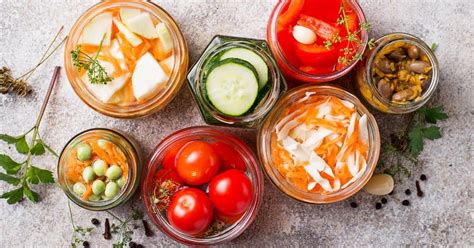
Fermentation is an ancient preservation technique that has seen a resurgence due to its health benefits (probiotics!) and unique flavors. Through the action of beneficial bacteria, vegetables like cabbage (sauerkraut), cucumbers (lacto-fermented pickles), and other produce are transformed into tangy, nutrient-dense foods. This method often requires only salt, water, and time, making it accessible and rewarding.
Maximizing Your Harvest: Tips for Success
- Plan Ahead: Before the harvest deluge, decide which methods you’ll use and ensure you have the necessary equipment (jars, freezer bags, dehydrator, canner).
- Start Fresh: The quality of your preserved food is directly related to the freshness of the produce you start with. Preserve fruits and vegetables at their peak.
- Label Everything: Include the item and the date of preservation. This helps with inventory management and ensures you use older items first.
- Store Properly: Canned goods need a cool, dark place. Frozen items need a consistent freezer temperature. Dehydrated foods should be stored in airtight containers.
- Embrace Variety: Don’t feel you have to stick to just one method. Combine techniques for a diverse pantry.
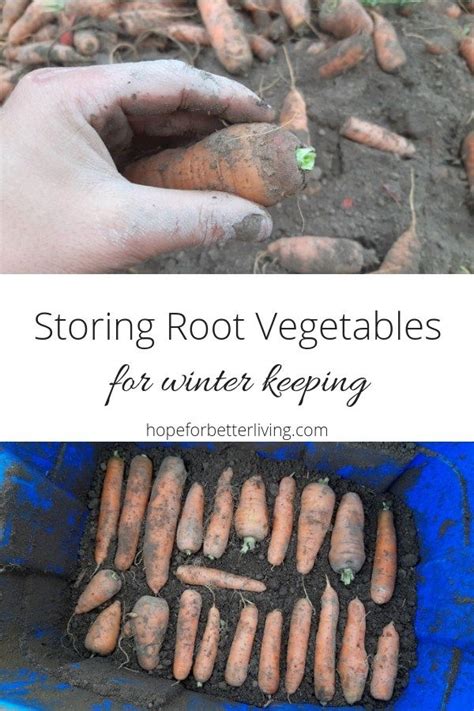
- Consider Root Cellaring: For root vegetables like carrots, potatoes, and beets, a cool, dark, and humid environment (like a basement or root cellar) can keep them fresh for months without canning or freezing.
Preserving your summer garden bounty is a deeply satisfying endeavor that bridges the gap between seasons. It’s an act of sustainability, a commitment to wholesome eating, and a tangible way to enjoy the fruits (and vegetables) of your labor all year long. By mastering these preservation techniques, you can ensure your ‘real food’ dishes are always brimming with the authentic flavors and goodness of your homegrown harvest.