




Best way to preserve summer garden bounty naturally?

The peak of summer brings an abundant harvest from your garden – a vibrant display of fresh fruits, vegetables, and herbs. While the joy of plucking ripe tomatoes or crisp cucumbers is unparalleled, the sheer volume can often be overwhelming. The good news is that preserving this bounty doesn’t require complex chemicals or artificial additives. By embracing natural methods, you can capture the essence of summer and enjoy your garden’s goodness long after the season ends. This guide explores the best natural techniques to ensure your hard work doesn’t go to waste.
Freezing for Freshness: Locking in Nutrients
Freezing is arguably one of the simplest and most effective ways to preserve the nutritional value and fresh taste of many garden vegetables and fruits. The key to successful freezing is proper preparation. Most vegetables, like green beans, broccoli, and corn, benefit from blanching – a quick dip in boiling water followed by an ice bath – which stops enzyme action that causes spoilage and loss of color, flavor, and texture. Fruits such as berries, peaches, and cherries can often be frozen raw, sometimes spread on a baking sheet first to prevent clumping before being transferred to freezer bags or containers.
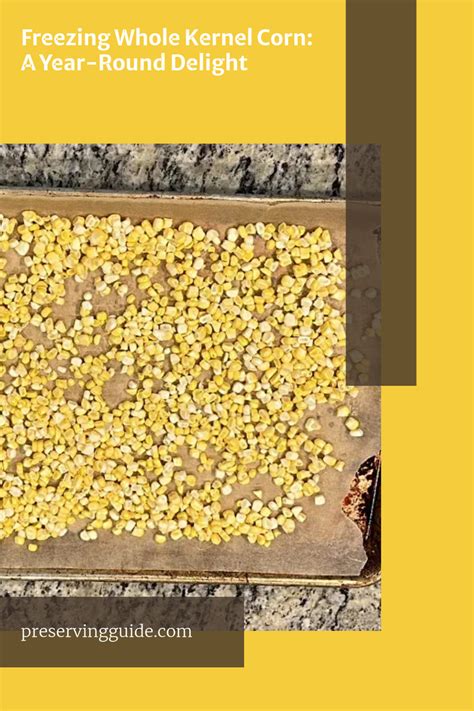
Always use freezer-safe bags or airtight containers, squeezing out as much air as possible to prevent freezer burn. Labeling with the date and contents is crucial for organization. Properly frozen produce can last for 8-12 months, allowing you to enjoy your harvest well into winter.
Drying and Dehydrating: Concentrating Flavors
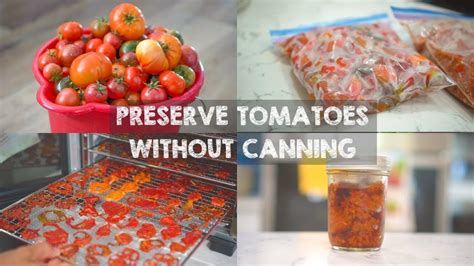
Drying is an ancient method that removes moisture, inhibiting microbial growth and concentrating the natural flavors of your produce. This method is particularly excellent for herbs, certain fruits (apples, pears, berries), and even some vegetables like tomatoes, peppers, and mushrooms. You can sun-dry in warm, low-humidity climates, use a conventional oven on its lowest setting with the door ajar, or invest in an electric dehydrator for consistent results.
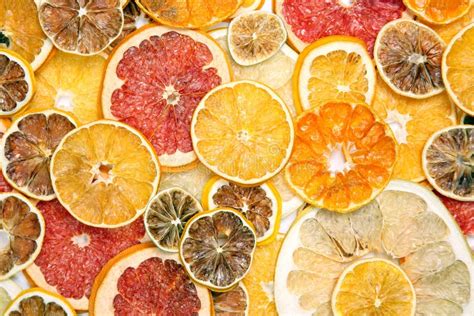
Herbs can simply be tied in small bundles and hung in a well-ventilated, dark room until brittle. For fruits and vegetables, slice them thinly and arrange them in a single layer on drying racks. Store dried produce in airtight containers away from light and heat. Dried goods are lightweight, shelf-stable, and perfect for adding intense flavor to dishes later.
Canning and Jarring: Shelf-Stable Goodness
Canning involves sealing food in airtight jars and heating them to a temperature that destroys microorganisms and creates a vacuum seal. This method creates shelf-stable products that don’t require refrigeration until opened. There are two main types: water bath canning for high-acid foods (fruits, pickles, jams, jellies, and tomatoes with added acid) and pressure canning for low-acid foods (most vegetables, meats, and mixed recipes).

Safety is paramount in canning. Always follow tested recipes from reliable sources (like university extensions or reputable canning guides) and use proper equipment. While it requires a bit more effort and specialized gear, canning allows you to store large quantities of produce for years, transforming your garden’s output into delicious preserves, sauces, and ready-to-eat meals.
Pickling and Fermenting: The Tangy Twist
Both pickling and fermenting utilize acids to preserve food, often resulting in delightfully tangy and flavorful products. Pickling typically involves submerging food in an acidic brine, usually vinegar-based, sometimes with added sugar and spices. Cucumbers, green beans, carrots, and peppers are popular choices for quick or refrigerator pickles, which require no canning, or for water bath canned pickles for long-term storage.
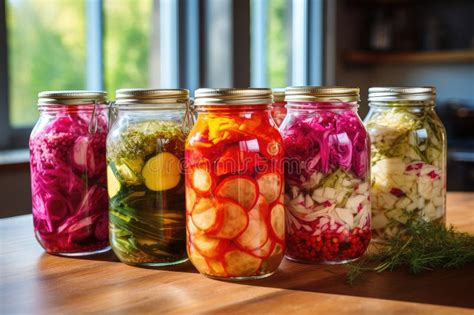
Fermentation, on the other hand, relies on beneficial bacteria (like lactobacillus) to convert sugars into lactic acid, which acts as a natural preservative. Sauerkraut, kimchi, and fermented dilly beans are classic examples. Beyond preservation, fermented foods also offer probiotic benefits for gut health. This method often requires only salt, water, and time, making it incredibly natural and rewarding.
Root Cellaring and Cold Storage: Time-Honored Tradition
For certain root vegetables, hard-shelled squash, and some fruits, simple cold storage can be an incredibly effective and energy-efficient preservation method. A root cellar, or even a cool, dark, and humid basement or garage, can extend the life of crops like potatoes, carrots, beets, onions, garlic, apples, and winter squash for months.
The ideal conditions vary slightly by crop, but generally involve temperatures between 35-50°F (2-10°C) and moderate to high humidity. Proper ventilation is also important to prevent mold and rot. Inspect produce regularly and remove any spoiled items to prevent them from affecting others.
Preserving your summer garden bounty naturally is a rewarding endeavor that connects you more deeply with your food and the seasons. Whether you choose the quick convenience of freezing, the intense flavors of drying, the long-term stability of canning, the probiotic benefits of fermenting, or the simplicity of cold storage, each method offers a unique way to enjoy your harvest year-round. Experiment with different techniques to find what works best for your produce and your lifestyle, ensuring a taste of summer even in the depths of winter.