Best way to preserve summer garden tomatoes for winter?

Savoring Summer’s Bounty: Top Ways to Preserve Tomatoes for Winter
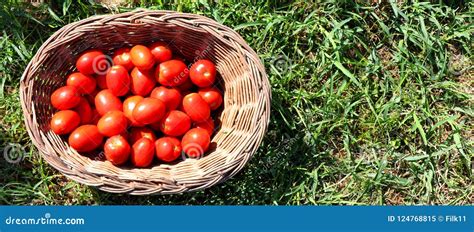
There’s nothing quite like the taste of a sun-ripened tomato straight from the garden. But as summer wanes, many gardeners find themselves with an abundance of these juicy gems, wondering how to extend their deliciousness into the colder months. Fortunately, there are several fantastic ways to preserve your summer garden tomatoes, each offering unique benefits and applications for your winter cooking. From quick and easy freezing to traditional canning and flavor-intensifying drying, you can ensure your pantry is stocked with the taste of summer.
1. Canning Tomatoes: The Classic Approach
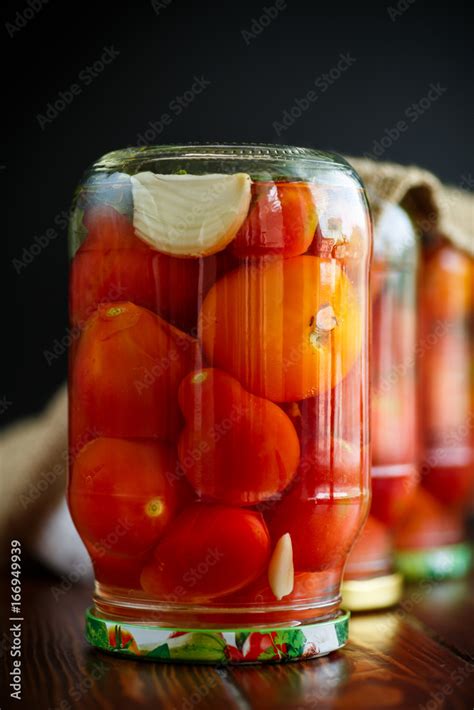
Canning is arguably the most traditional and effective method for long-term tomato preservation. It allows you to store tomatoes whole, diced, crushed, or as sauce, ready for soups, stews, and pasta dishes. While it requires an initial investment in equipment and time, the reward is a shelf-stable product that can last for years.
Hot Water Bath Canning
For most tomato products, a hot water bath canner is sufficient due, in part, to tomatoes’ natural acidity. However, many recipes recommend adding a small amount of citric acid or lemon juice to ensure adequate acidity for safe canning. You can can peeled whole tomatoes, diced tomatoes, or a rich tomato purée.
Pressure Canning
For recipes that incorporate low-acid vegetables (like onions or peppers) with tomatoes, or for tomato products with added ingredients that lower the overall acidity, pressure canning is the safest method to prevent spoilage. Always follow tested recipes from reliable sources like the USDA National Center for Home Food Preservation.
2. Freezing Tomatoes: The Easiest Method
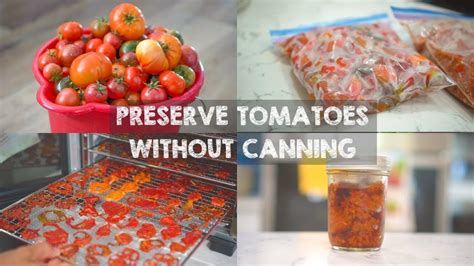
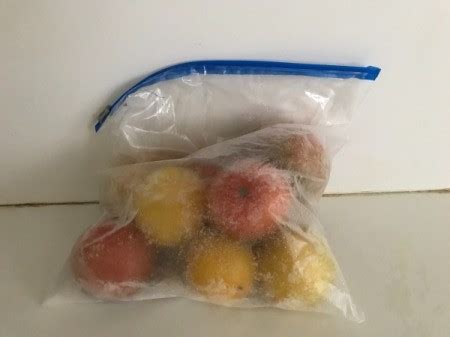
If you’re short on time or new to preserving, freezing is hands-down the simplest way to save your tomatoes. It requires minimal preparation and no special equipment beyond freezer-safe bags or containers. While frozen tomatoes may lose some firmness upon thawing, their flavor remains intact, making them perfect for cooking.
Freezing Whole Tomatoes
Wash and dry whole tomatoes, remove the core, and place them on a baking sheet to freeze individually. Once solid, transfer them to freezer bags. When ready to use, simply run warm water over them, and the skins will slip right off. They can then be chopped or crushed directly into your cooking.
Freezing Chopped or Pureed Tomatoes
For even greater convenience, you can chop or purée your tomatoes before freezing. Blanching and peeling them first will result in a smoother product. Freeze in measured portions in freezer bags, ice cube trays (for small amounts), or rigid containers. This is excellent for making quick sauces or adding to chili.
3. Drying Tomatoes: Concentrated Flavor
Drying tomatoes, whether in a dehydrator or oven, concentrates their natural sugars and yields intensely flavorful “sun-dried” tomatoes. These are fantastic for adding a burst of umami to salads, pasta dishes, sandwiches, or simply snacking.
Slice tomatoes thinly (about 1/4 inch thick) and remove excess moisture with a paper towel. Arrange them on dehydrator trays or baking sheets. Dehydrating typically takes 8-12 hours at around 135°F (57°C), while oven drying (with the door slightly ajar) can take longer at the lowest temperature setting (around 150-200°F or 65-93°C). Store dried tomatoes in airtight containers in a cool, dark place, or pack them in olive oil in the refrigerator.

4. Making Sauces, Pastes, and Ketchup
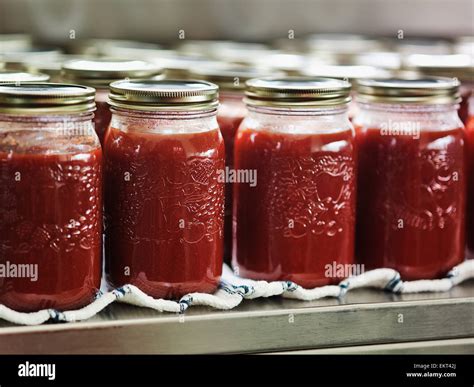
Transforming your fresh tomatoes into ready-to-use sauces, pastes, or even ketchup is another excellent way to preserve their essence. This process often involves cooking down the tomatoes to reduce their water content, intensifying their flavor and creating a versatile base for countless winter meals.
- Tomato Sauce: Cook peeled, seeded, and chopped tomatoes with herbs and spices until desired consistency. This can then be canned or frozen.
- Tomato Paste: Simmer strained tomato purée for several hours until very thick. Spread thinly on baking sheets and bake at a low temperature to further reduce moisture. Freeze in small portions.
- Homemade Ketchup: A delicious project that yields a condiment far superior to store-bought versions. Requires cooking down tomatoes with vinegar, sugar, and spices.
Enjoying Your Winter Harvest
Whichever method you choose, preserving your summer garden tomatoes is a rewarding effort that brings the vibrant flavors of the growing season right into the heart of winter. Imagine a rich marinara made from your own canned tomatoes, a hearty soup boosted by frozen purée, or a gourmet salad featuring sun-dried gems. With a little planning and effort, you can enjoy the delicious bounty of your garden all year long.