Best way to preserve summer garden tomatoes for winter meals?

There’s nothing quite like the taste of a fresh, sun-ripened tomato straight from the garden. As the summer harvest peaks, many gardeners find themselves with an abundance of these juicy gems, leading to the delicious dilemma of how to savor that flavor long after the season ends. Fortunately, there are several fantastic ways to preserve your summer tomatoes, ensuring a taste of sunshine in your winter meals.
Why Preserve Your Summer Harvest?
Preserving tomatoes isn’t just about preventing waste; it’s about capturing peak freshness and flavor. Store-bought tomatoes in winter often lack the robust taste and vibrant color of their summer counterparts. By preserving your own, you maintain control over ingredients, avoid additives, and create a pantry stocked with wholesome, delicious bases for sauces, stews, and more. It’s a culinary investment that pays off with every comforting winter dish.
Top Methods for Tomato Preservation
1. Canning Tomatoes: The Classic Approach
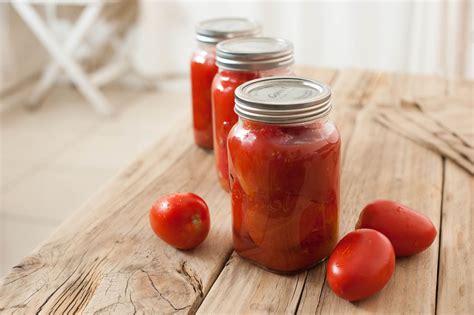
Canning is arguably the most traditional and rewarding method for long-term tomato storage. It allows you to preserve tomatoes whole, diced, crushed, or as sauce. Because tomatoes are high in acid, they can often be safely processed using a water bath canner, though some recipes might require a pressure canner, especially if you add low-acid ingredients like onions or peppers. Always follow tested recipes from reliable sources like USDA guidelines.
Cleanliness is paramount in canning. Ensure jars and lids are sterilized, and work with fresh, unblemished tomatoes. This method results in shelf-stable jars that can last for years, ready to be opened for a burst of summer flavor.
2. Freezing Tomatoes: Quick and Easy
For a less labor-intensive option, freezing is an excellent choice. Tomatoes can be frozen whole, diced, or pureed. To freeze whole, simply wash and core them, then place them on a baking sheet to freeze individually before transferring to freezer bags. This prevents them from clumping together. Once thawed, the skins will slip right off, making them perfect for sauces.
Alternatively, you can blanch, peel, and dice tomatoes before freezing in portioned bags or containers. Freezing pureed tomatoes in ice cube trays or muffin tins is also handy for adding small amounts to dishes. While frozen tomatoes retain most of their flavor, their texture softens significantly upon thawing, making them best suited for cooked applications rather than fresh salads.
3. Drying Tomatoes: Concentrated Flavor
Drying tomatoes, whether in a dehydrator or a low oven, concentrates their sugars and flavors, resulting in intensely delicious sun-dried tomatoes. These are perfect for adding to pasta dishes, salads, sandwiches, or infusing olive oil. Slice ripe tomatoes thinly and arrange them on dehydrator trays or baking sheets. Dry until leathery but still pliable, not brittle.
Once dried, store them in airtight containers at room temperature for several months, or in the refrigerator for longer storage. You can also pack them in olive oil (ensure they are fully submerged and stored in the refrigerator to prevent botulism).

4. Making Sauces, Pastes, and Ketchup
Transforming your tomatoes into ready-to-use sauces, pastes, or ketchup is another fantastic way to preserve them. These cooked-down products are flavor bombs that will significantly cut down on prep time for future meals. Simmering tomatoes with herbs, garlic, and other aromatics creates a versatile base. This can then be canned, frozen, or further reduced to a thick paste.
Homemade tomato paste is incredibly potent and adds depth to countless recipes. Ketchup, with its sweet and tangy profile, is a family favorite that you can customize to your liking. Always cook down these products sufficiently to remove excess moisture for best preservation and flavor concentration.

Tips for Successful Preservation
- Start with the Best: Use firm, ripe, unblemished tomatoes. Discard any that are bruised or moldy.
- Cleanliness is Key: Whether canning, freezing, or drying, ensure all equipment and your workspace are impeccably clean.
- Label Everything: Clearly label containers and jars with the date and contents.
- Follow Recipes: Especially for canning, stick to tested recipes to ensure safety and quality.
Enjoying Your Preserved Harvest All Winter
Imagine a cold winter evening, and you’re whipping up a hearty pasta dish with sauce made from your own summer tomatoes. Or a rich minestrone soup, bursting with the flavor of preserved diced tomatoes. Dried tomatoes can elevate a simple omelet or a focaccia bread. The possibilities are endless, and the satisfaction of knowing you’ve extended your garden’s bounty into the colder months is immense.
By investing a little time and effort during peak season, you can enjoy the unparalleled taste of summer tomatoes in a myriad of delicious and comforting winter meals. Embrace the joy of preservation and bring a taste of your garden into every season!