Best way to preserve summer garden tomatoes for winter sauces?

Harvesting Summer’s Bounty for Winter Delights
There’s nothing quite like the taste of a sun-ripened summer tomato from your own garden. The abundance, however, can quickly become overwhelming. The good news is that with a few tried-and-true methods, you can capture that peak summer flavor and enjoy homemade tomato sauces all winter long. Choosing the best preservation method often depends on your available time, storage space, and the intended use of the tomatoes.
Canning: The Classic Choice
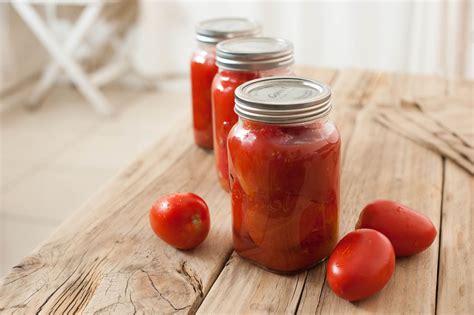
Canning is arguably the most traditional and reliable method for long-term tomato storage, perfect for making large batches of sauce, diced tomatoes, or whole peeled tomatoes. It involves blanching and peeling the tomatoes, often crushing or dicing them, and then processing them in sterilized jars using a water bath canner. Acidification (usually with lemon juice or citric acid) is crucial for safety, as tomatoes are a borderline acidic food.
For sauces, you can simmer your tomatoes down to a desired consistency before canning, or simply can crushed tomatoes to reduce into sauce later. This method yields shelf-stable products that don’t require freezer space, making it ideal for those with limited freezer capacity.
Freezing: Simplicity and Speed
If you’re looking for the quickest and easiest way to preserve tomatoes, freezing is your answer. While it does require freezer space, the preparation time is minimal. You can freeze whole tomatoes, diced, or even pureed, depending on how you plan to use them. For whole tomatoes, simply wash and dry them, then place them on a baking sheet in a single layer until frozen solid. Transfer to freezer bags, removing as much air as possible.
When you’re ready to use them, a quick rinse under warm water will allow the skins to slip right off, and they’ll be ready for your saucepot. Freezing is excellent for making chunky sauces, chili, or for adding to stews. The texture may be slightly softer than canned tomatoes, but for sauces where they’ll be cooked down, it’s hardly noticeable.
Roasting for Deep Flavor
One of the most delicious ways to prepare tomatoes for preservation is to roast them first. Roasting caramelizes their natural sugars, intensifies their flavor, and reduces their water content, leading to a richer, more concentrated sauce. Halve or quarter your tomatoes, toss them with a little olive oil, salt, pepper, and herbs (like basil or oregano), then roast at a moderate temperature until tender and slightly browned.
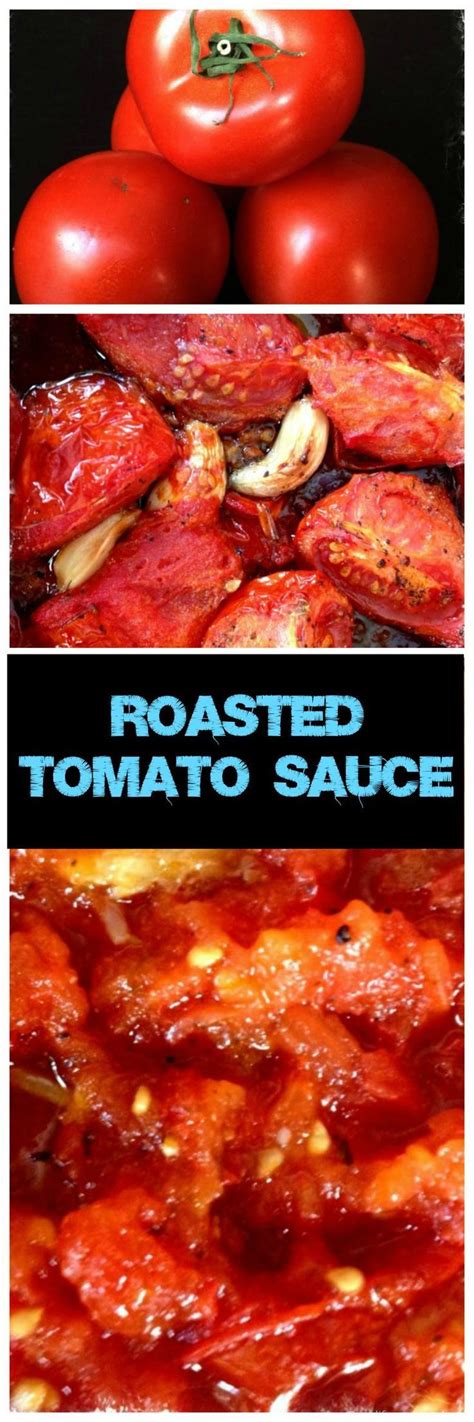
Once roasted, you have a few options: you can blend them into a sauce and then freeze them in airtight containers or bags, or process them in a water bath canner (following proper acidification guidelines) for a shelf-stable roasted tomato sauce. This method is a game-changer for elevating the flavor of your winter sauces.
Tips for Success
- Choose Wisely: Use ripe, blemish-free tomatoes. Paste varieties like Roma or San Marzano are often preferred for sauces due to their lower water content and fewer seeds.
- Sterilize Everything: Especially when canning, ensure all jars, lids, and equipment are thoroughly sterilized to prevent spoilage.
- Label and Date: Always label your preserved goods with the contents and date of preservation.
- Work in Batches: Don’t try to preserve all your tomatoes at once. Process smaller, manageable batches to maintain quality and reduce stress.
Whether you opt for the time-honored tradition of canning, the modern convenience of freezing, or the flavor-boosting technique of roasting, preserving your summer garden tomatoes ensures that the taste of sunshine can be savored in your winter meals. A well-stocked pantry or freezer with homemade tomato products will be a true culinary reward.