
Best way to preserve summer garden tomatoes for winter sauces without canning?

Enjoying Summer’s Bounty Year-Round: Canning-Free Tomato Preservation
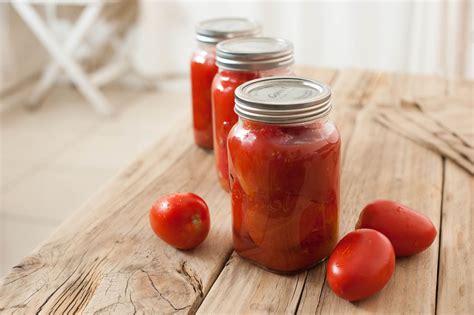
The peak of summer brings an abundant harvest of sun-ripened tomatoes, bursting with flavor far superior to anything found in stores during colder months. While traditional canning is a beloved method for preserving this bounty, it can be time-consuming, requires special equipment, and might seem daunting to some. Fortunately, there are several fantastic, fuss-free ways to preserve your summer garden tomatoes for delicious winter sauces without ever needing a water bath canner. The secret lies primarily in leveraging your freezer’s power.

Freezing Whole or Halved Raw Tomatoes
This is arguably the simplest method, requiring minimal effort and no cooking upfront. It’s perfect for those busy days when you want to get your tomatoes put away quickly.
- Preparation: Wash your tomatoes thoroughly and remove any stems or blemishes. For larger tomatoes, you can halve or quarter them. Smaller varieties like cherry tomatoes can be left whole.
- Flash Freeze: Arrange the prepared tomatoes in a single layer on a baking sheet lined with parchment paper. This prevents them from sticking together. Place the baking sheet in the freezer for 1-2 hours, or until the tomatoes are solid.
- Storage: Once frozen solid, transfer the tomatoes into freezer-safe bags or containers. Squeeze out as much air as possible from bags to prevent freezer burn. Label with the date.
To Use: When you’re ready to make sauce, simply run the frozen tomatoes under warm water for a few seconds, and the skins will slip right off. They can then be chopped and cooked into your favorite sauce recipes.
Roasting and Freezing for Intensified Flavor
Roasting tomatoes before freezing concentrates their natural sweetness and adds a beautiful depth of flavor that will elevate any winter sauce. This method is slightly more involved but yields incredible results.
- Preparation: Wash tomatoes and cut them in half or quarters. Remove any tough cores.
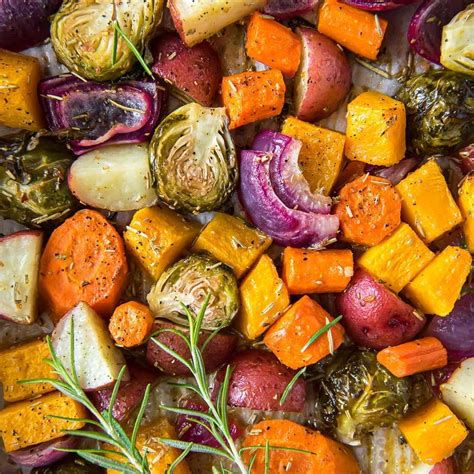
- Roasting: Toss the tomato pieces with a drizzle of olive oil, salt, pepper, and optional herbs like oregano or basil. Spread them in a single layer on a baking sheet. Roast in an oven preheated to 375°F (190°C) for 45-60 minutes, or until softened and slightly caramelized.
- Cool and Freeze: Allow the roasted tomatoes to cool completely. You can then pack them whole or mashed into freezer-safe containers or bags. If using bags, portion them into amounts suitable for your recipes and flatten the bags to save space.
To Use: Thaw and blend or chop them into a rustic sauce, or add directly to stews and soups for an instant flavor boost.
Cooking Down and Freezing a Basic Sauce or Purée
If you know you’ll want ready-to-go sauce bases, cooking down your tomatoes into a purée or a simple sauce before freezing is an excellent option. This method mimics canning without the need for sterilization and sealing.
- Cook Tomatoes: Wash and chop your tomatoes (no need to peel if you’ll be puréeing later). Place them in a large pot over medium heat. Simmer for 20-30 minutes, stirring occasionally, until they break down.
- Process (Optional): For a smoother sauce, pass the cooked tomatoes through a food mill or blend them with an immersion blender. If you prefer a chunkier sauce, simply mash them slightly.
- Reduce and Season: Continue to simmer the purée to reduce it to your desired consistency. Add salt, pepper, and any other seasonings (e.g., garlic, onion, basil) you like for a basic sauce. Avoid adding dairy or fresh herbs at this stage, as they don’t freeze as well.
- Cool and Freeze: Allow the sauce to cool completely before portioning it into freezer-safe containers, bags, or even ice cube trays for smaller servings. Label and date.
To Use: Thaw the sauce and use it as a base for pasta sauces, pizza, lasagna, or as a flavorful addition to countless other dishes.
Key Freezing Tips for Success
- Portioning: Freeze tomatoes or sauce in usable quantities to avoid thawing more than you need.
- Air Removal: For freezer bags, press out as much air as possible before sealing to prevent freezer burn.
- Containers: Use rigid, freezer-safe containers with airtight lids. Leave a little headspace for liquids, as they expand when frozen.
- Labeling: Always label containers or bags with the contents and date of freezing. Aim to use frozen tomatoes within 6-12 months for best quality.

Preserving your summer garden tomatoes for winter sauces without traditional canning is not only achievable but also incredibly rewarding. By utilizing methods like freezing raw, roasted, or pre-cooked tomatoes, you can capture that peak-season flavor and enjoy homemade, garden-fresh sauces all year long, without the stress of complex preserving techniques. Experiment with these methods to find what works best for your kitchen and your culinary needs.