Best way to preserve summer garden tomatoes simply for winter sauces?
Capturing Summer’s Bounty: Simple Tomato Preservation for Winter Sauces
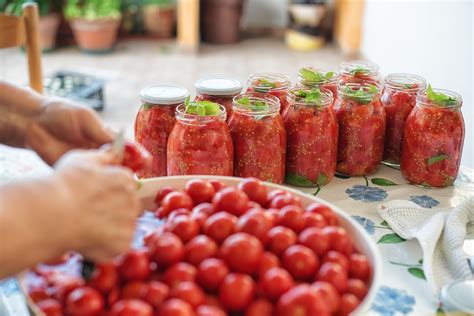
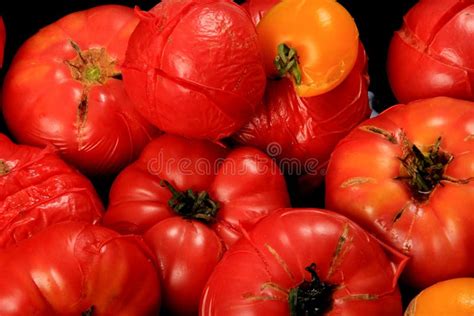
As summer peaks, garden tomatoes burst with unparalleled flavor, sweetness, and juiciness. There’s nothing quite like a sun-ripened tomato straight from the vine. But what happens when the season ends, and you crave that fresh taste in the depths of winter? Preserving your harvest doesn’t have to be a complicated, all-day affair involving specialized equipment. For robust winter sauces, simplicity is often key, allowing the natural flavor of the tomato to shine through.
The Absolute Easiest: Freezing Whole or Chopped Tomatoes
When it comes to minimal effort, freezing is your best friend. This method requires virtually no prep and yields a fantastic base for sauces.
Method:
- Wash and Dry: Gently wash your ripe tomatoes and pat them thoroughly dry.
- Core (Optional): For larger tomatoes, you might want to remove the core with a paring knife, but it’s not strictly necessary, especially if you plan to strain the sauce later.
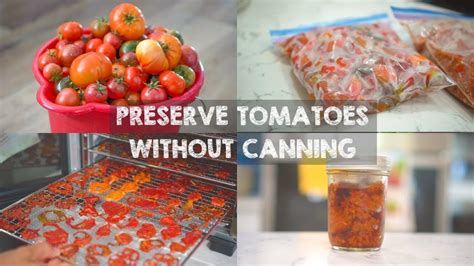
- Freeze Whole: Place whole, dry tomatoes in a single layer on a baking sheet lined with parchment paper. Freeze until solid (a few hours to overnight). This prevents them from sticking together.
- Transfer to Bags: Once frozen, transfer the solid tomatoes to freezer-safe bags or containers. Squeeze out as much air as possible before sealing.
To Use: When you’re ready to make sauce, simply run a frozen tomato under warm water for a few seconds, and the skin will slip right off! You can then chop or crush them directly into your pot, skins and all (the skins will soften and break down), or peel them if preferred. This method is perfect for rustic sauces.

Roasting for Intense Flavor: A Sauce-Lover’s Secret Weapon
If you want to deepen the flavor profile of your winter sauces without much fuss, roasting your tomatoes before freezing is a game-changer. Roasting concentrates their sweetness and adds a beautiful smoky depth.
Method:
- Prep Tomatoes: Wash and halve or quarter your tomatoes (smaller cherry or grape tomatoes can be left whole).
- Season: Arrange them cut-side up on a baking sheet. Drizzle with a little olive oil, a sprinkle of salt, and a crack of black pepper. You can also add garlic cloves, fresh herbs like thyme or oregano, or a splash of balsamic vinegar.
- Roast: Roast in a preheated oven at 375°F (190°C) for 45 minutes to an hour, or until softened and slightly caramelized around the edges.
- Cool and Freeze: Let the roasted tomatoes cool completely. Then, transfer them to freezer-safe containers or bags. You can freeze them as is, or blend them into a chunky or smooth purée before freezing.
To Use: These roasted beauties are fantastic for quick pasta sauces, adding depth to stews, or even spreading on toast.

Blanched and Crushed: For a More Traditional Base
If you prefer your sauces without skins and a slightly more processed texture but still want simplicity, blanching and crushing is a great option.
Method:
- Score and Blanch: Score an ‘X’ on the bottom of each tomato. Drop them into boiling water for 30-60 seconds, then immediately transfer to an ice bath.
- Peel and Core: The skins will slip off easily. Remove the core.
- Crush/Chop: Roughly crush or chop the peeled tomatoes. You can remove seeds if desired, but it’s not essential for sauces.
- Portion and Freeze: Spoon the crushed tomatoes into freezer-safe bags, removing as much air as possible, or into containers. Freeze flat for easy stacking.
To Use: This method provides a clean, skin-free base that’s ready to be seasoned and simmered into your favorite pasta or pizza sauce.
Tips for Using Your Preserved Tomatoes in Winter
- Label Everything: Always label your frozen tomatoes with the date and method of preservation (e.g., “Whole Frozen Tomatoes 8/2023,” “Roasted Tomato Purée 9/2023”).
- Portion Smartly: Freeze in amounts you’d typically use for a meal (e.g., 2-cup or 4-cup portions).
- Don’t Thaw Completely: For sauces, you can often add frozen tomatoes directly to a hot pan; they’ll thaw and release their juices as they cook.
- Enhance Flavor: Even with preserved tomatoes, don’t forget to build flavor with aromatics like onion, garlic, and fresh herbs when making your sauce.
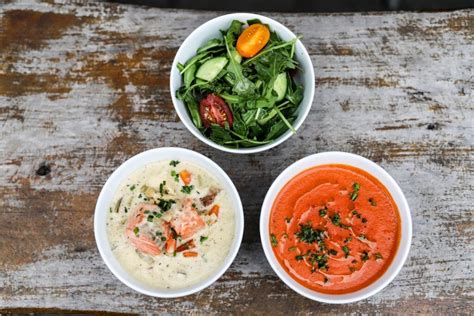
Embrace the simplicity of these methods, and you’ll be enjoying the taste of summer sunshine in your winter sauces, stews, and chilis. Preserving your garden’s bounty doesn’t have to be daunting; it can be an enjoyable extension of the growing season.