


Best way to preserve summer tomatoes for winter, no fancy equipment?
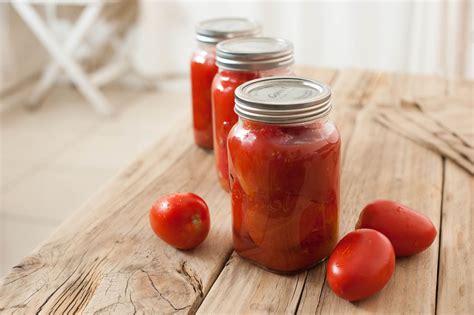
Capturing Summer’s Flavor: Tomato Preservation Made Easy
There’s nothing quite like the taste of a fresh, ripe summer tomato. Sweet, juicy, and bursting with sunshine, they’re a fleeting pleasure. But what if you could extend that joy, enjoying the vibrant flavor of summer tomatoes deep into the colder months, all without investing in expensive canning equipment or complex machinery? Good news – you absolutely can! With a few basic kitchen tools and some simple techniques, you can stock your pantry (or freezer!) with the essence of summer.
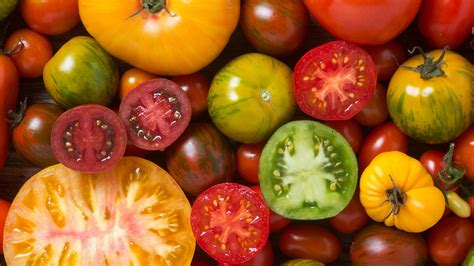
Method 1: Freezing Tomatoes Whole or Chopped
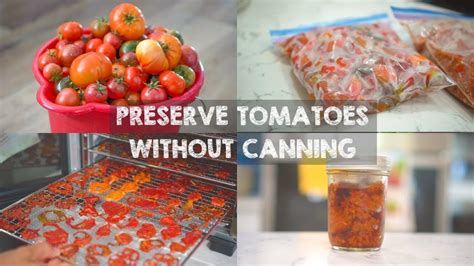
Freezing is arguably the easiest and most equipment-free method for preserving tomatoes. It’s perfect for both small batches and large hauls, and the texture changes slightly upon thawing, making them ideal for sauces, soups, and stews where they’ll be cooked down anyway.
For Whole Tomatoes (Especially Roma/Plum Varieties):
- Wash and Core: Gently wash your ripe tomatoes and remove the core. There’s no need to blanch or peel unless you prefer to do so.
- Flash Freeze (Optional but Recommended): Place the clean, cored tomatoes in a single layer on a baking sheet lined with parchment paper. Freeze for 1-2 hours until solid. This prevents them from sticking together.
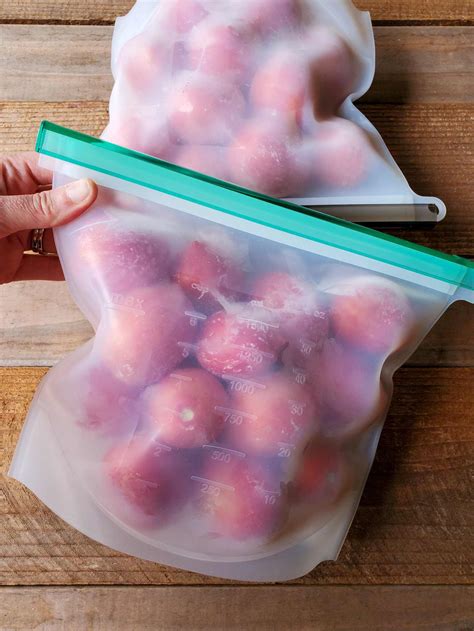
- Bag and Store: Transfer the frozen tomatoes to freezer-safe bags or containers. Squeeze out as much air as possible before sealing. Label with the date.
When you’re ready to use them, simply run a frozen tomato under warm water for a few seconds, and the skin will slip right off. You can then chop or crush them as needed for your recipes.
For Chopped Tomatoes:
- Wash, Core, and Chop: Wash and core your tomatoes, then chop them into your desired size.
- Pack and Freeze: Place the chopped tomatoes directly into freezer-safe bags or containers. Again, remove excess air and label.
Method 2: Slow-Roasted Tomatoes
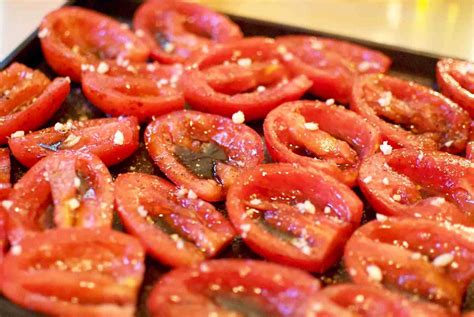
Roasting tomatoes concentrates their sugars and deepens their flavor, turning them into sweet, savory gems. This method works beautifully with any type of tomato, especially cherry tomatoes or larger varieties cut into halves or quarters.
- Prep Your Tomatoes: Wash and halve or quarter your tomatoes, depending on size. Place them cut-side up on a baking sheet. You can line the sheet with parchment paper for easier cleanup.
- Season: Drizzle generously with olive oil. Sprinkle with salt and a pinch of sugar (optional, to enhance sweetness). You can also add dried herbs like oregano or thyme, and minced garlic for extra flavor.
- Roast Low and Slow: Bake in an oven preheated to a low temperature, around 250°F (120°C), for 3-5 hours, or until the tomatoes are shriveled, slightly caramelized, and significantly reduced in size. The exact time depends on the size and water content of your tomatoes.
- Cool and Store: Allow the roasted tomatoes to cool completely. Transfer them to freezer-safe containers or bags. You can freeze them with any accumulated pan juices or a little extra olive oil. They’re excellent for pasta sauces, bruschetta, omelets, or as a side dish.
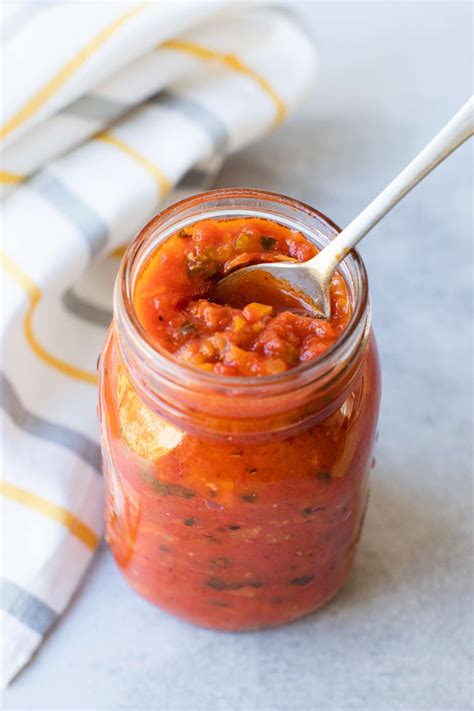
Method 3: Simple Cooked Tomato Puree/Sauce
If you want a ready-to-use base for winter cooking, a simple cooked puree or sauce is a fantastic option that requires no specialized tools beyond a pot and a spoon.
- Prep and Chop: Wash your tomatoes and roughly chop them. Don’t worry about perfect cuts.
- Simmer: Place the chopped tomatoes in a large pot. You can add a splash of water if they seem dry, but tomatoes release a lot of liquid. Bring to a simmer over medium heat, then reduce heat to low and cook, stirring occasionally, for 30-60 minutes, or until the tomatoes have broken down and the sauce has thickened to your desired consistency.
- Mash or Blend (Optional): For a smoother sauce, you can mash the cooked tomatoes with a potato masher, or use an immersion blender directly in the pot. For a silky smooth puree without skins or seeds, pass it through a food mill (though this might be considered ‘fancy’ by some, a simple sieve works too for a rustic feel).
- Season and Cool: Season with salt to taste. Allow the puree or sauce to cool completely.
- Freeze: Ladle the cooled sauce into freezer-safe containers or heavy-duty freezer bags. Leave some headspace for expansion if using rigid containers. Freeze flat if using bags for easier stacking.
Tips for Success and Storage
- Choose Wisely: Always start with the freshest, ripest tomatoes you can find.
- Label Everything: Date your containers and bags. You’ll thank yourself later!
- Portion Control: Freeze tomatoes in amounts you’ll likely use for a single meal. This prevents waste and makes meal prep easier.
- Thawing: Most frozen tomato products can be added directly to hot dishes, or thawed in the refrigerator overnight.
Enjoy Summer All Year Long
With these straightforward, equipment-free methods, you can confidently preserve the glorious flavor of summer tomatoes. Imagine the warmth of homemade tomato soup or a rich pasta sauce, bright with summer’s essence, even on the chilliest winter day. It’s a simple pleasure that truly elevates home cooking and connects you to the bounty of the seasons.