Best way to share messy real food BTS while maintaining appetite appeal?
Embracing the Reality of the Kitchen Without Losing Your Appetite
In today’s content-saturated world, authenticity is king. Consumers crave genuine experiences, even when it comes to food. The pristine, perfectly plated dish, while beautiful, can sometimes feel unattainable or artificial. This has led to a growing demand for behind-the-scenes (BTS) content, showcasing the real processes, the hard work, and yes, even the occasional mess that goes into creating delicious food. But here’s the paradox: how do you share the often chaotic reality of a working kitchen—the spills, the splatters, the discarded ingredients—while still making the final product, and the process itself, look utterly mouth-watering?
The Balance: Authenticity Meets Aspiration
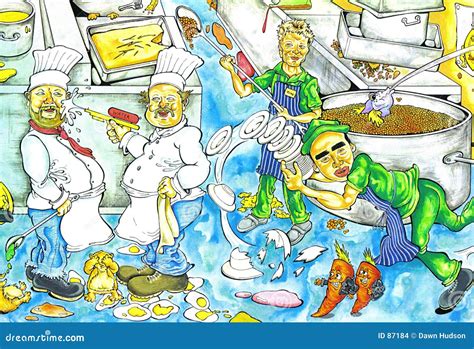
The core challenge lies in striking a delicate balance. On one hand, you want to build trust and connection by showing the human element and the genuine effort. This means not shying away from the flour-dusted countertops, the simmering pots, or the hands-on kneading. On the other hand, food content’s primary goal is often to entice, to make viewers want to taste, to recreate, or to buy. A truly unappealing mess can instantly turn off an audience, negating the very appetite appeal you’re trying to build.
The key isn’t to hide all mess, but to understand what kind of mess is acceptable—even appealing—and what isn’t. Think of it as “strategic messiness.”
Strategic Messiness: What to Show and How
1. Embrace “Process Mess” Over “Disaster Mess”
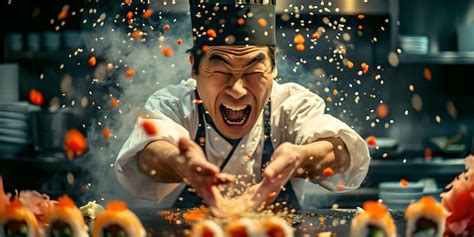
- Appealing Mess: This includes the intentional byproduct of creation—flour dust from baking, melted cheese oozing, sauce splatters that look like abstract art, vibrant ingredient scraps (like vegetable peels or herb sprigs) that signify freshness and a recent cut. These elements can add texture, depth, and a sense of dynamic action.
- Unappealing Mess: Avoid showing outright dirty dishes, food waste piles, unattractive spills (e.g., watery liquid, murky oil), or unsanitary conditions. These elements detract from the food itself and can raise questions about hygiene.
2. Master the Art of Framing and Cropping
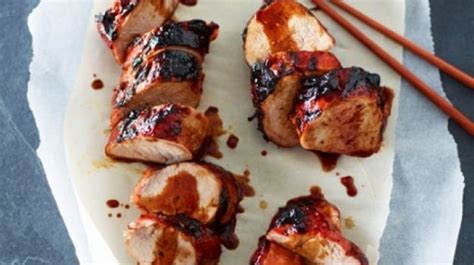
Your camera lens is your most powerful editing tool. Instead of wide shots that capture every bit of kitchen clutter, zoom in on the specific action or the most appealing messy detail. Crop out anything that isn’t contributing positively to the narrative. A close-up of hands mixing dough, dusted with flour, is far more appealing than a shot of a messy counter with a single bowl.
3. Lighting is Your Best Friend (and Cover-Up)
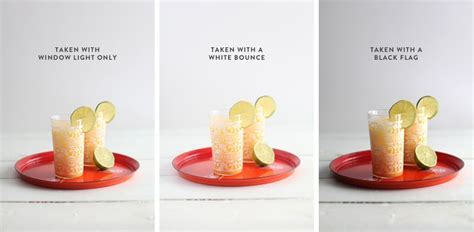
Good lighting can elevate even the simplest scene. Natural, soft light can make steam look inviting, flour look soft, and ingredients glow. Harsh, unflattering light will emphasize every undesirable shadow and highlight, making a mess look even messier. Use light to highlight the hero elements (the food, the active hands) and strategically shadow less appealing areas.
4. Storytelling and Context are Crucial
Every piece of BTS content should tell a story. Why is it messy? Because you’re kneading dough for hours, making fresh pasta from scratch, or caramelizing onions to perfection. When viewers understand the “why” behind the mess, it transforms from a random chaotic element into a badge of honor—a sign of dedication and craft. Use captions, voice-overs, or on-screen text to provide this context.
5. Focus on the “In-Action” Moment
Action shots are inherently more dynamic and often forgive more mess than static shots. Hands drizzling sauce, a knife chopping vegetables (with the resulting, appealing scraps nearby), or ingredients being stirred in a bowl convey movement and process. The mess becomes a natural byproduct of the activity rather than a static, unappetizing scene.
Editing and Presentation: The Final Polish
Even with careful shooting, the editing room is where the magic truly happens. For video content, quick cuts can show snippets of messy but authentic work without dwelling too long on any single unappealing frame. Music and sound effects (sizzling, chopping, bubbling) can enhance the sensory experience, drawing attention to the delicious sounds of cooking rather than purely visual mess. For still photography, selective blurring (bokeh) can keep the focus sharp on the appealing food while subtly softening the background mess.
Remember, the goal is not to present a perfectly sterile environment, but to show the human, authentic, and passionate effort behind delicious food, all while ensuring your audience’s stomach is rumbling with desire, not churning with disgust.
Conclusion: Intentional Authenticity
Sharing the messy reality of real food BTS is a powerful way to connect with your audience and build trust. It humanizes the process and celebrates the craft of cooking. By being intentional about what you show, how you frame it, and how you tell its story, you can transform perceived messiness into an inviting testament to deliciousness. Embrace the spills, the flour, and the splatters—just make sure they tell an appetizing story.