Best way to tenderize tough cuts of beef for hearty country stews?

The Quest for Tender Beef in Hearty Stews
Tough cuts of beef, while often more economical and bursting with flavor potential, can be a challenge to transform into the fall-apart tenderness desired in a rich country stew. These cuts, like chuck, round, or shank, are rich in connective tissue, particularly collagen. While collagen is responsible for the incredible depth of flavor it imparts, it also makes the meat tough if not handled correctly. The good news is that with the right techniques, you can turn these resilient cuts into succulent, melt-in-your-mouth delights that form the heart of any truly satisfying stew.
The Undisputed Champion: Low and Slow Cooking
For country stews, the absolute best and most effective method for tenderizing tough beef is long, slow cooking, typically through braising. Heat, moisture, and time are the magic ingredients here. When beef is cooked at a low temperature for several hours, the tough collagen gradually breaks down and converts into gelatin. This gelatin melts into the cooking liquid, thickening the stew and giving the meat an incredibly tender, almost custardy texture that practically dissolves on the tongue.
Whether you’re using a Dutch oven on the stovetop or in the oven, a slow cooker, or even an Instant Pot (with the right settings for extended pressure cooking), the principle remains the same: give it time. Ensure the beef is submerged or mostly submerged in a flavorful liquid (broth, wine, tomatoes, beer) and maintain a gentle simmer rather than a rolling boil.

Leveraging Acidity: Marinades and Braising Liquids
Acids play a significant role in tenderizing beef, especially tough cuts. Ingredients like red wine, vinegar, tomatoes, citrus juice, or even beer can help to break down muscle fibers and connective tissue, pre-tenderizing the meat before cooking. While marinating for just an hour or two can add flavor, for tenderization, aim for several hours or even overnight in the refrigerator.
Beyond marinating, incorporating acidic ingredients directly into your braising liquid enhances the tenderizing process during cooking. The combination of acid and slow heat works synergistically to break down the beef, contributing to a more tender final product while also layering in complex flavors.
Strategic Preparation: Cutting, Salting, and Searing
Cutting Against the Grain
Even the most perfectly cooked beef can feel tough if sliced incorrectly. Always cut your cooked beef against the grain of the muscle fibers. This shortens the fibers, making each bite easier to chew and giving the perception of greater tenderness. For stew, this often means cutting larger chunks, but understanding the grain is still beneficial.
The Power of Salt
Salting beef several hours or even a day before cooking, often referred to as dry brining, can also contribute to tenderness. Salt draws out moisture, then reabsorbs it, along with some of the dissolved muscle proteins, helping to break them down and retain moisture during cooking.
Additionally, don’t underestimate the initial sear. Browning the beef cubes deeply on all sides before adding liquid not only builds a rich flavor base (Maillard reaction) but also helps to create a protective crust that locks in moisture during the long cooking process, preventing the meat from drying out as it tenderizes.
Exploring Other Tenderizing Aids: Mechanical and Enzymatic
While slow cooking is paramount for stews, other methods can complement or provide alternatives:
Mechanical Tenderizing
For certain applications, pounding beef with a mallet or scoring it deeply can physically break down muscle fibers. For stew chunks, this is less common but can be done if you have particularly thick, fibrous pieces you want to quick-tenderize before browning.
Enzymatic Tenderizers
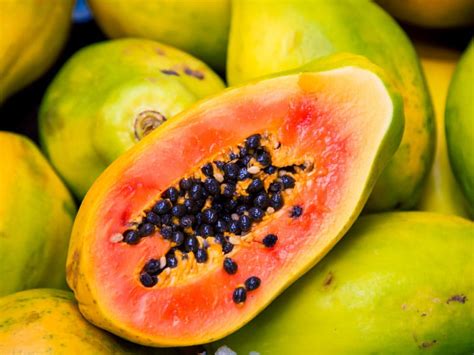
Natural enzymes found in fruits like pineapple (bromelain), papaya (papain), and kiwi can break down protein fibers. Commercial meat tenderizers often use these enzymes. While effective, caution is advised with stews; too much enzyme or too long exposure can lead to a mushy, undesirable texture. If using, apply sparingly and for a short duration, mainly to the surface of the meat.
Bringing It All Together for the Perfect Stew
The best country stews combine several of these techniques. Start by choosing flavorful, tough cuts like chuck or short ribs. Dry brine them if you have time, then sear them deeply. Deglaze your pot with an acidic liquid like red wine, then add your beef back with plenty of rich broth, diced tomatoes, and aromatics. Cook it low and slow for hours until the beef is fork-tender. This multi-pronged approach guarantees a stew that is not only rich in flavor but also supremely tender, making every spoonful a comforting delight.

Conclusion
Tenderizing tough cuts of beef for country stews is less about quick fixes and more about patience and technique. Embracing the power of low and slow cooking, coupled with the strategic use of acids, proper cutting, and a good sear, will consistently yield beef that is unbelievably tender and full of flavor. With these methods, your hearty country stews will become legendary.