


Best way to tenderize venison stew meat for country cooking?
Unlocking Tender Venison for Hearty Stews
Venison, known for its lean profile and rich flavor, can sometimes be challenging to tenderize, especially when destined for a long-simmering stew. For country cooking, where robust flavors and melt-in-your-mouth textures are paramount, understanding the best methods to transform tough venison stew meat into a culinary delight is key. This guide explores proven techniques to ensure your venison stew is always tender and delicious.
Understanding Venison’s Unique Texture
Wild game like venison is naturally leaner and has less marbling than farm-raised beef. This leanness, combined with the muscle structure developed through a deer’s active life, often results in meat that can be tough if not handled correctly. The goal of tenderizing is to break down these tough connective tissues and muscle fibers.
The Power of Marinades: Acid and Enzymes
Marination is one of the most effective ways to tenderize venison, especially for stew meat. Acidic ingredients in a marinade work to denature proteins, while certain enzymes can actively break down muscle fibers.
- Acidic Marinades: Buttermilk, red wine, vinegar (apple cider or red wine), citrus juices (lemon, orange), and even strong coffee can all be excellent bases. These acids help to break down the surface of the meat and penetrate slightly, softening the fibers. A common country cooking method involves soaking venison in buttermilk overnight to remove gaminess and tenderize simultaneously.
- Enzyme-Based Marinades: While less common for stews due to their potency, natural enzymes found in fruits like papaya or pineapple can be used. However, use them sparingly (no more than 30 minutes to an hour) as they can turn the meat mushy if overdone.
- Flavorful Bases: Beyond tenderizing, marinades infuse the meat with flavor. Think Worcestershire sauce, soy sauce, garlic, onions, and various herbs and spices that complement the gamey notes of venison.
For best results, marinate venison stew meat for at least 6-12 hours, or even up to 24 hours, in the refrigerator.
Slow and Low: The Country Cooking Secret
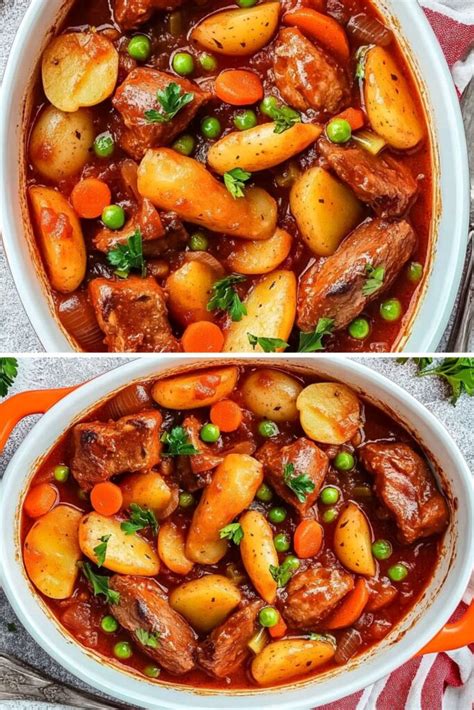
Perhaps the most time-honored and reliable method for tenderizing tough cuts of meat, especially for stews, is slow cooking. Braising and stewing involve cooking meat in liquid over low heat for an extended period.
- Braising and Stewing: The long, gentle heat slowly breaks down collagen and connective tissues into gelatin, resulting in incredibly tender, fall-apart meat. This is the cornerstone of any great country-style venison stew.
- Liquid Matters: Use flavorful liquids like beef broth, venison stock, red wine, or even a dark beer. These liquids not only prevent the meat from drying out but also contribute significantly to the stew’s overall flavor profile.
- Patience is Key: Don’t rush the process. A venison stew will typically need to simmer for 2-4 hours, or even longer, depending on the cut and size of the meat pieces, until it reaches the desired tenderness.
Mechanical Tenderization and Proper Cutting
Before you even start cooking, some physical preparation can make a big difference.
- Pounding: For larger pieces, a meat mallet can physically break down muscle fibers. While less common for small stew pieces, it’s an option for slightly tougher chunks.
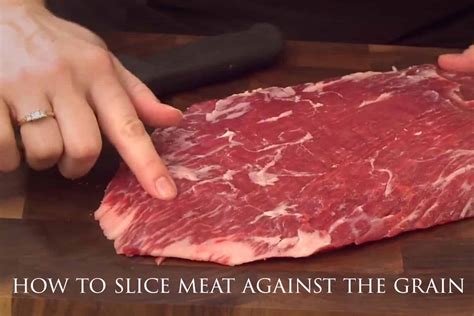
- Cutting Against the Grain: Always cut venison against the grain of the muscle fibers. This shortens the fibers, making the meat easier to chew, even if it’s not perfectly tenderized by other means. Look for the lines in the meat and cut perpendicular to them.
- Uniform Pieces: Cut your stew meat into relatively uniform 1-inch to 1.5-inch cubes. This ensures even cooking and tenderization.
Brining for Moisture and Tenderness
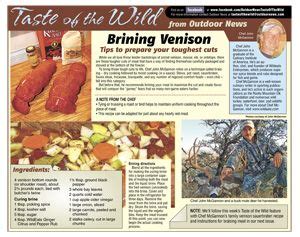
While often associated with poultry, brining can also enhance the tenderness and moisture retention of venison. A simple salt brine helps muscle fibers absorb water and season the meat from within.
- Basic Brine: Dissolve salt (and optionally sugar, herbs, or spices) in water. Submerge the venison stew meat in the brine for a few hours or overnight in the refrigerator.
- Moisture Retention: Brining helps the meat retain moisture during the long cooking process, preventing it from drying out and contributing to a more tender final product.
Putting It All Together: A Tender Venison Stew Approach
Combine these methods for the best results:
- Pre-Treat: Cut venison against the grain into uniform pieces. Consider a short brine.
- Marinate: Submerge the venison in your chosen acidic or flavorful marinade for 12-24 hours.
- Sear: Before stewing, pat the meat dry and sear it in batches in a hot pot with a little fat (like bacon grease or olive oil) until nicely browned. This develops deep flavor.
- Deglaze and Simmer: Deglaze the pot with a splash of wine or broth, then add your stew liquid, aromatics (onions, garlic, carrots, celery), and bring to a gentle simmer.
- Low and Slow Cook: Cover the pot tightly and let it simmer on low heat on the stovetop or in a low oven (around 300°F / 150°C) until the venison is fork-tender, typically 2-4 hours. Add root vegetables later in the cooking process so they don’t turn to mush.
By employing these techniques, your venison stew meat will transform into a succulent, tender delight, perfect for any country cooking table.