Best way to tenderize venison stew meat for hearty country meals?

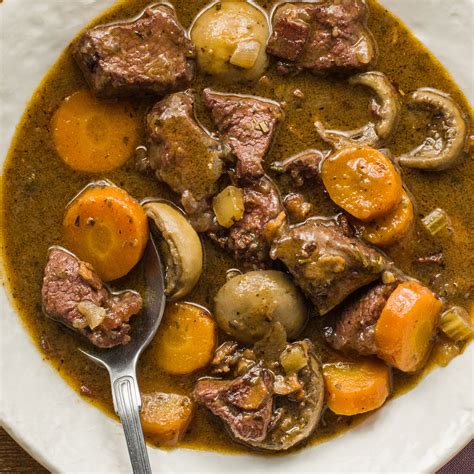
Venison, while incredibly flavorful and lean, often presents a challenge when it comes to tenderness, especially cuts destined for stew. Its naturally low fat content and active muscle fibers mean it can become chewy if not prepared correctly. However, with the right techniques, you can turn a potentially tough piece of game into melt-in-your-mouth goodness, creating a truly hearty and satisfying country meal.
Understanding Venison’s Nature
The key to tenderizing venison lies in understanding its composition. Unlike beef, venison is very lean, meaning it lacks the intramuscular fat (marbling) that contributes to tenderness in other meats. Its muscle fibers are also typically tighter due to the animal’s active lifestyle. These factors mean traditional quick cooking methods often result in dry, tough meat. The goal is to break down tough connective tissues and muscle fibers while retaining moisture.

Key Strategies for Tenderizing Venison Stew Meat
1. Proper Trimming and Cutting
Before any other steps, proper preparation is crucial. Carefully trim away all silver skin, fascia, and any visible sinew. These tissues will never tenderize and will make the stew chewy. Cut the venison into uniform, 1-1.5 inch cubes. Uniformity ensures even cooking, preventing some pieces from drying out while others are still tough.
2. The Power of Marinades
Marinating is one of the most effective ways to tenderize venison. Acids in marinades, such as vinegar, wine, citrus juices, or buttermilk, help to break down muscle fibers and infuse flavor. Enzymes found in ingredients like papaya (papain) or pineapple (bromelain) are also powerful tenderizers, but use them sparingly and for shorter periods (1-2 hours) as they can turn the meat mushy if overused. A good venison marinade typically includes an acid, oil, and aromatics like garlic, onions, and herbs.
3. Mechanical Tenderizing (Optional)
For particularly stubborn cuts, you can lightly pound the meat with a meat mallet or score the surface with a sharp knife before marinating. This physically breaks down some fibers and allows the marinade to penetrate deeper. For stew meat, however, this is less critical if you’re employing slow cooking.
4. The Magic of Low and Slow Cooking
This is arguably the most important method for venison stew meat. Braising, stewing, or slow cooking over several hours at a low temperature is paramount. This extended cooking time allows collagen, a tough connective tissue, to slowly break down and convert into gelatin. This gelatin then coats the muscle fibers, making the meat incredibly tender and juicy. It’s this process that transforms a tough cut into a fall-apart texture.
Putting It All Together: Your Venison Stew Process
Here’s a step-by-step approach to achieve perfectly tender venison stew:
- Trim and Cube: Prepare your venison as described above, removing all undesirable bits and cutting into uniform cubes.
- Marinate: Place the venison in a sturdy bag or non-reactive bowl with your chosen marinade (e.g., red wine, vinegar, herbs, garlic, juniper berries). Marinate in the refrigerator for at least 8 hours, preferably 24-48 hours.
- Brown the Meat: Remove meat from the marinade (pat dry for a better sear) and brown it in batches in a Dutch oven or heavy-bottomed pot. This develops a rich, flavorful crust (Maillard reaction), adding depth to your stew.
- Deglaze and Build Flavor: Deglaze the pot with a splash of broth or wine, scraping up any browned bits. Add your aromatics (onions, carrots, celery) and sauté.
- Braise Low and Slow: Return the venison to the pot. Add enough liquid (beef broth, red wine, or a combination) to just cover the meat. Bring to a simmer, then reduce heat to low, cover tightly, and cook for 2-4 hours (or longer, depending on the cut) until the meat is fork-tender. Alternatively, cook in a slow cooker on low for 6-8 hours.

Essential Tips for Success
- Don’t Rush It: Patience is your best friend when tenderizing venison. Slow cooking is not a suggestion; it’s a requirement for optimal tenderness.
- Use a Dutch Oven: A heavy, enameled cast-iron Dutch oven distributes heat evenly and retains moisture beautifully, ideal for stewing.
- Mind Your Liquid: Ensure enough liquid to cover the meat, but not so much that you’re boiling it. It should be a gentle simmer.
- Rest the Meat: Even in a stew, allowing the finished dish to rest briefly off the heat can help redistribute juices.
Conclusion: A Taste of Country Perfection
While venison stew meat requires a bit more thoughtful preparation than some other cuts, the results are undeniably worth the effort. By understanding the meat’s characteristics and employing the right tenderizing strategies—trimming, marinating, and especially slow, moist heat—you can transform a lean, tough cut into an incredibly tender, flavorful, and deeply satisfying dish that embodies the true spirit of hearty country cooking. Get ready to enjoy a venison stew so tender, it practically melts in your mouth.