Best ways to adapt classic country recipes for seasonal garden bounty?

Classic country recipes hold a special place in our hearts, evoking comfort, tradition, and the simple pleasures of hearty, wholesome food. But what happens when your garden is overflowing with vibrant, seasonal bounty that doesn’t quite fit the winter-heavy classics? The good news is that adapting these time-honored dishes to embrace your garden’s yield is not only possible but can lead to incredibly delicious and healthier variations. It’s about respecting tradition while celebrating freshness.
Understanding Your Garden’s Rhythms
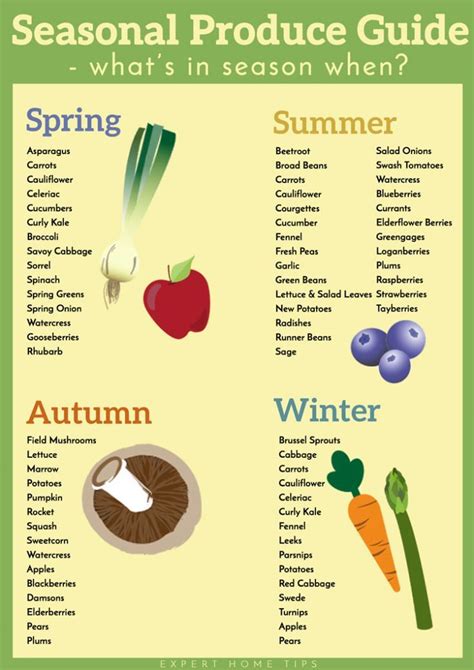
The first step to successful adaptation is knowing what’s at its peak. Spring brings tender greens, radishes, and asparagus. Summer explodes with tomatoes, corn, zucchini, and berries. Autumn offers pumpkins, root vegetables, and hardy greens. By understanding these natural cycles, you can anticipate your ingredients and plan your recipe adaptations accordingly.
Core Principles for Adaptation
Adapting isn’t about throwing out the original recipe; it’s about making intelligent substitutions and enhancements that honor its spirit while embracing the fresh produce.
Substitution, Not Reinvention
Look for ingredients in the classic recipe that can be swapped for seasonal produce. For instance, in a rich chicken and dumplings recipe, instead of just peas and carrots, consider adding blanched green beans or chopped summer squash. A heavy potato casserole could be lightened with layers of thinly sliced zucchini or sweet potatoes. The goal is to maintain the dish’s texture and flavor profile while introducing new elements.
Boosting Flavor and Nutrition
Fresh garden produce is often more flavorful than its store-bought counterparts. Use this to your advantage! Add extra fresh herbs like basil, parsley, or dill directly from your garden to season dishes. Increase the quantity of vegetables beyond what the original recipe calls for – a classic meatloaf can be stretched and made healthier with finely grated carrots, zucchini, or bell peppers.
Specific Adaptations for Classic Dishes
Soups and Stews
Many country stews are robust and hearty, perfect for cold weather. To adapt for seasonal bounty, consider making a lighter broth and incorporating more tender vegetables. A traditional beef stew can become a summer vegetable stew by reducing the beef and adding a medley of fresh corn, cherry tomatoes, green beans, and bell peppers towards the end of cooking to maintain their crispness. For creamy soups, swap heavy creams for pureed seasonal vegetables like butternut squash or cauliflower for natural richness and fewer calories.
Casseroles and Bakes
Casseroles are incredibly versatile. A classic macaroni and cheese can be elevated with roasted cherry tomatoes and fresh basil stirred in, or a creamy chicken casserole can feature layers of thinly sliced zucchini or eggplant. For savory pies and gratins, swap traditional fillings for seasonal options like a fresh tomato pie with garden-grown heirlooms, or a Swiss chard and ricotta gratin.

Sides and Salads
This is perhaps the easiest category for adaptation. A simple cooked green bean side can become a vibrant green bean and cherry tomato salad with a light vinaigrette. Mashed potatoes can be mixed with mashed parsnips or roasted garlic from your garden. Elevate any side dish with a generous sprinkle of fresh herbs just before serving.
Preserving the Harvest for Year-Round Enjoyment
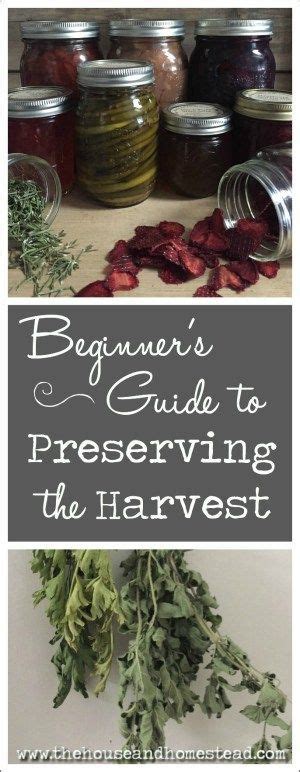
Sometimes, the bounty is too great to use immediately. Consider canning, pickling, or freezing your seasonal produce to enjoy it in classic recipes throughout the year. Canned green beans, pickled cucumbers, or frozen berries can be just as delicious in a winter cobbler or stew as their fresh counterparts, extending the ‘seasonal’ joy.

Tips for Success
- Start Small: Don’t try to overhaul a complex recipe on your first try. Make small, incremental changes.
- Taste as You Go: Adjust seasonings and flavors. Fresh produce often needs less salt.
- Embrace Seasonality: The freshest ingredients are always the best. Don’t force out-of-season produce into a dish.
- Don’t Be Afraid to Experiment: Cooking is an art. Some of the best adaptations come from playful experimentation.
- Research Flavor Pairings: Understand which vegetables pair well with the traditional flavors of your country recipe.

Adapting classic country recipes for your seasonal garden bounty is a rewarding culinary journey. It allows you to connect more deeply with your food, enjoy healthier and more flavorful meals, and celebrate the natural cycles of growth. So next time your garden yields a treasure trove, think of it not as a challenge, but as an invitation to create something wonderfully new from something wonderfully old.