





Best ways to adapt family recipes for seasonal garden bounty?

Embracing the Harvest: A Culinary Journey
The joy of a thriving garden often comes with the delightful challenge of utilizing its bounty. As fresh produce ripens in abundance, home cooks look for creative ways to incorporate these vibrant, nutrient-rich ingredients into their daily meals. While new recipes are always welcome, there’s a unique satisfaction in adapting beloved family recipes, infusing them with the freshness and flavors of your seasonal harvest. This approach not only maximizes your garden’s yield but also enriches traditions with new culinary dimensions.
The Art of Ingredient Swapping
One of the most straightforward ways to adapt family recipes is through smart ingredient substitution. Many traditional dishes have a flexible core that can easily accommodate seasonal vegetables. Think about where your produce can naturally fit in. Can zucchini or yellow squash replace some pasta layers in a lasagna? Could finely diced bell peppers, carrots, or spinach be folded into meatballs or meatloaves? Root vegetables like carrots, parsnips, and sweet potatoes can bulk up stews and roasts, while leafy greens like kale or chard can enhance casseroles and frittatas.
When swapping, consider the texture and moisture content of your produce. Watery vegetables might require a quick sauté to remove excess liquid before being added to a dish, ensuring the overall consistency isn’t compromised. Don’t be afraid to experiment; sometimes the most unexpected swaps yield the most delicious results.

Elevating Flavors with Fresh Herbs and Spices
Beyond main ingredients, a garden often provides a wealth of fresh herbs that can profoundly transform a dish. A sprig of fresh rosemary can elevate a simple roasted chicken, while basil from the garden can completely revitalize a classic marinara sauce. Dill can brighten up potato salads or fish dishes, and mint can add a refreshing note to fruit salads or even savory lamb dishes. Don’t underestimate the power of these aromatic additions.
Consider the flavor profile of your family recipe and introduce herbs that complement it. For example, Italian dishes benefit from oregano, basil, and thyme, while Mexican-inspired meals might call for cilantro and a touch of chili. Fresh herbs are often more potent than their dried counterparts, so start with a smaller quantity and adjust to taste.
Adapting Cooking Methods for Peak Freshness
With fresh garden produce, often the goal is to highlight its natural flavors rather than mask them. This might mean adapting your cooking methods. Instead of heavy frying, consider lighter options like roasting, grilling, or steaming, which allow the inherent sweetness and texture of vegetables to shine. Roasting carrots, broccoli, or asparagus brings out their caramelized notes, while a quick steam preserves their vibrant color and crispness.
Even in traditional slow-cooked dishes, you can often add fresh vegetables closer to the end of the cooking process to maintain their integrity and prevent them from becoming too mushy. This approach keeps your family recipes familiar but updated with a fresh, garden-to-table feel.
Rethinking Classic Dishes: Creative Integration
Beyond simple swaps, you can creatively integrate garden bounty into the structure of a classic recipe. For instance, puréeing roasted tomatoes or bell peppers can form the base of a richer, more flavorful sauce. Zucchini or carrot can be grated and incorporated into bread, muffins, or even pancakes, adding moisture and nutrients without drastically altering the primary flavor.
Casseroles are particularly forgiving and excellent vehicles for using up a variety of vegetables. Layer sliced eggplant, bell peppers, or summer squash into your favorite potato gratin or cheesy bake. Even desserts can benefit; berries, rhubarb, or apples from your garden can become the star of pies, crumbles, and tarts, adding a fresh, seasonal twist to traditional sweet treats.

Preserving the Bounty for Year-Round Enjoyment
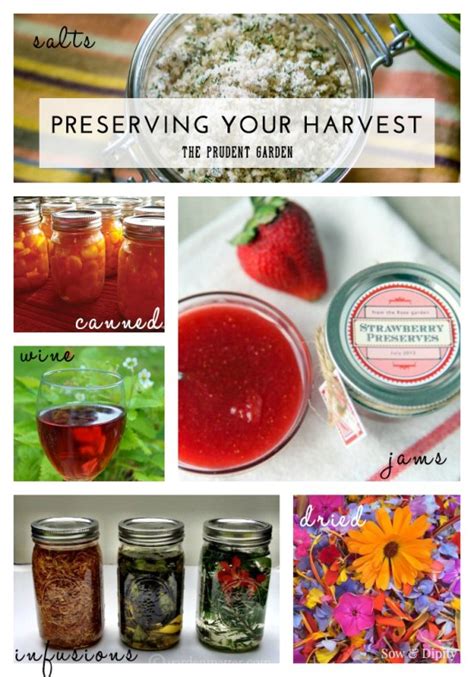
Sometimes, the garden yields more than can be cooked fresh. This is where preservation techniques become an extension of recipe adaptation. Canning, freezing, drying, or pickling your excess produce allows you to enjoy the flavors of your garden long after the season has passed. Imagine adding homemade roasted tomato sauce to a winter pasta dish or thawed frozen berries to a holiday pie.
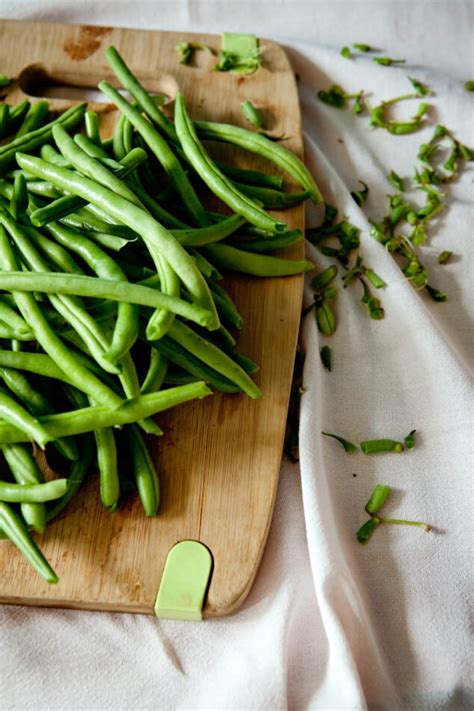
Preparing your produce for preservation can also be a step in adapting recipes. Blanching and freezing green beans means they are ready to be tossed into a stir-fry later, and making a big batch of zucchini relish means you have a vibrant condiment for sandwiches and hotdogs year-round. These preserved ingredients can then be treated as fresh additions to your family recipes, extending the joy of your garden’s bounty.
Adapting family recipes for your seasonal garden bounty is a rewarding culinary adventure. It encourages creativity, reduces food waste, and infuses cherished dishes with unparalleled freshness and nutrition. By embracing ingredient swaps, fresh herbs, mindful cooking methods, creative integration, and smart preservation, you can keep your culinary traditions alive and thriving, seasoned beautifully by the fruits of your own labor.