



Best ways to adapt family recipes using seasonal garden produce?

Embracing the Harvest: Revitalizing Family Recipes with Garden Freshness
There’s a unique satisfaction in cooking with ingredients you’ve grown yourself, especially when those ingredients can transform a beloved family recipe. Adapting traditional dishes to incorporate seasonal garden produce not only enhances flavor and nutritional value but also celebrates the bounty of nature and fosters a deeper connection to your food. It’s an art of substitution, enhancement, and creative reimagining that keeps culinary traditions alive while making them more vibrant and wholesome.

Know Your Produce: The Foundation of Flavorful Adaptation
The first step to successful recipe adaptation is understanding your harvest. What’s currently in abundance in your garden? Is it the peak season for juicy tomatoes, tender zucchini, crisp greens, or aromatic herbs? Knowing the flavor profile, texture, and cooking characteristics of your seasonal produce is crucial. For instance, a watery zucchini might work best grated into baked goods or stews, while firm bell peppers are perfect for stuffing or stir-frying. Consider the sweetness, acidity, bitterness, and earthiness of your ingredients and how they might complement or contrast with the existing flavors of your family recipe.
Strategic Swaps and Creative Enhancements
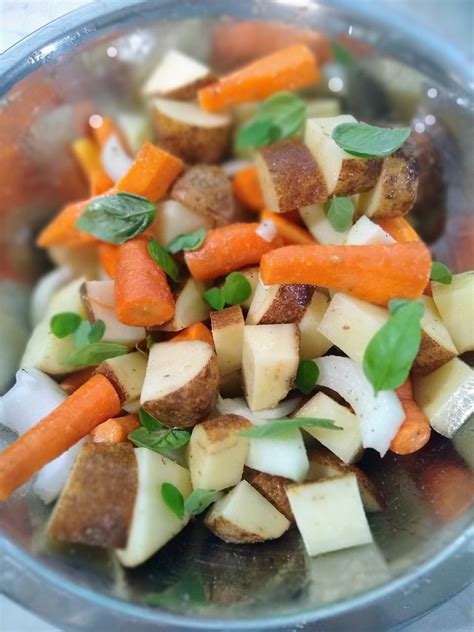
Once you know what you have, you can begin to strategize your adaptations. The simplest approach is direct substitution. If a recipe calls for store-bought spinach, swap it for freshly picked garden greens. However, don’t be afraid to think beyond simple swaps. Can you roast garden carrots to deepen their sweetness before adding them to a stew that traditionally uses potatoes? Could fresh basil elevate a basic tomato sauce or pasta dish beyond recognition? Here are a few key strategies:
- Direct Swaps: Replace out-of-season or store-bought vegetables with their garden-fresh counterparts (e.g., store-bought bell peppers for garden peppers).
- Volume Adjustment: When using fresh, milder produce, you might need to increase the quantity for a more pronounced flavor.
- Flavor Pairing: Think about classic pairings. Tomatoes love basil, corn loves cilantro, and squash pairs beautifully with sage. Incorporate these natural harmonies.
- Texture Consideration: Understand how adding a new vegetable will affect the dish’s texture. Will it make it crunchier, softer, or add more liquid? Adjust cooking times or methods accordingly.

Reimagining Classic Dishes with a Seasonal Twist
Let’s consider some common family recipes and how they can be adapted. A classic meatloaf can be lightened and moistened with grated zucchini or carrots. Your grandmother’s famous chicken noodle soup can get a nutritional boost and vibrant color from fresh kale, Swiss chard, or peas added in the last few minutes of cooking. Even baked goods can benefit; imagine a zucchini bread using freshly grated zucchini or a berry cobbler bursting with your garden’s raspberries or blueberries.
For pasta sauces, the possibilities are endless. A heavy winter sauce can become a light, fresh primavera with asparagus, cherry tomatoes, and snap peas. Stews and casseroles are particularly forgiving and welcome a medley of whatever vegetables are ripe – from green beans and corn to potatoes and squash. Don’t hesitate to experiment with herbs either; fresh oregano or thyme from the garden can completely transform the aromatic profile of a dish.
Taste, Adjust, and Document: The Art of the Home Cook
The most important rule when adapting recipes is to taste as you go. Fresh produce can vary greatly in intensity and sweetness, so constant tasting allows you to adjust seasonings, acidity, and cooking times. Don’t be afraid to deviate slightly from the original recipe – this is where your creativity shines. Keep a notebook to document your successful (and less successful) adaptations. Note down which vegetables worked well, in what quantities, and any specific cooking tips. This record will become an invaluable resource for future garden-to-table culinary adventures.

A Legacy of Freshness and Flavor
Adapting family recipes with seasonal garden produce is more than just cooking; it’s a way to honor tradition while embracing sustainability and innovation. It teaches you to be resourceful, connects you more deeply with the food on your plate, and introduces new, vibrant flavors to dishes that have stood the test of time. So, next time your garden is overflowing, look to your family’s recipe box and unleash your inner culinary artist. You might just create a new, fresh classic that will be cherished for generations to come.