



Best ways to adapt heirloom recipes for modern real food ingredients & seasonal garden produce?

Revitalizing Tradition: Why Adapt Heirloom Recipes?
Heirloom recipes are more than just instructions; they are culinary chronicles, carrying the stories, flavors, and love of generations past. Many of us cherish these family treasures, but often find ourselves at a crossroads when modern dietary preferences, availability of “real food” ingredients, and a desire to incorporate fresh, seasonal produce come into play. Adapting these recipes allows us to honor our heritage while aligning with contemporary health goals and sustainable eating practices.
The journey of adaptation isn’t about discarding the past, but enriching it. It’s about taking the foundational wisdom of these beloved dishes and making them vibrant, nutritious, and relevant for today’s table. From swapping out refined sugars and flours to integrating the bounty of your garden, the possibilities are endless and rewarding.

Deciphering the Original: Intent and Flavor Profiles
Before you make any changes, take the time to truly understand the original recipe. What was its primary purpose? Was it a hearty meal, a light dessert, or a comforting staple? Identify the core flavors and textures that define the dish. Is it the richness of butter, the tang of buttermilk, the earthiness of root vegetables, or the delicate spice blend? Understanding the ‘soul’ of the recipe will guide your substitutions, ensuring you maintain its essence even with different ingredients.
Consider the techniques used. Were ingredients slow-cooked, baked, or fried? Sometimes, the method is as crucial as the components. A deep understanding allows for informed adjustments that preserve the integrity of the dish while making it healthier or more seasonal.
Wholesome Swaps: Modernizing Your Pantry
One of the most impactful ways to adapt heirloom recipes is by upgrading the ingredients to their whole food counterparts. Many older recipes relied on what was readily available, which might have included early forms of processed foods or less diverse options than we have today.
Flours and Grains
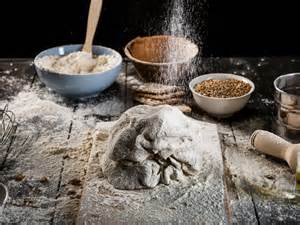
Instead of all-purpose white flour, explore whole wheat pastry flour for a lighter texture, or a blend of whole wheat and spelt for more robust dishes. Gluten-free alternatives like almond, oat, or buckwheat flour can also work, though they often require adjustments to liquid content and binding agents.
Sweeteners
Traditional recipes often call for significant amounts of white sugar. Modern adaptations can use natural sweeteners like maple syrup, honey, coconut sugar, or date sugar. Remember that liquid sweeteners add moisture, so you might need to slightly reduce other liquids in the recipe or increase dry ingredients. Start by reducing the original sugar by 25-50% and taste, as modern palates are often less accustomed to extreme sweetness.
Fats and Dairy
Many heirloom recipes feature lard, butter, or shortening. While high-quality butter and lard can be excellent real food choices, if the recipe calls for hydrogenated shortening, consider swapping it for unsalted butter, coconut oil, or even avocado oil in certain applications. For dairy, opt for organic, grass-fed whole milk, cultured buttermilk, or full-fat yogurt instead of highly processed dairy products or substitutes.
Eliminating Processed Ingredients
If your heirloom recipe uses canned cream soups, boxed mixes, or artificial flavorings, challenge yourself to create those components from scratch. A simple homemade béchamel sauce can replace a cream of mushroom soup, and fresh herbs can easily substitute dried or powdered versions, enhancing flavor and nutritional value.

Embracing the Garden: Seasonal Flavors
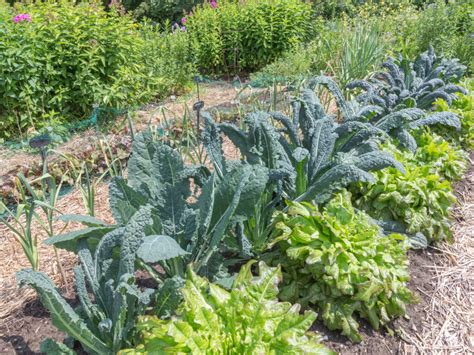
Integrating seasonal garden produce is perhaps the most exciting aspect of adapting heirloom recipes. This not only boosts nutrition but also brings a vibrant freshness that truly elevates the dish. Think about complementary flavors and textures.
Adding Freshness to Staples
For a rich stew, consider adding seasonal root vegetables like parsnips, turnips, or sweet potatoes from your garden. In a classic pie or crumble, swap out canned fruits for fresh, peak-season berries, apples, or peaches. A summer salad that once featured only lettuce could be enlivened with cherry tomatoes, cucumbers, and fresh herbs directly from the backyard.
Substituting for Health and Flavor
If a recipe calls for a specific vegetable that’s out of season or less nutritious in its canned form, look for a fresh, in-season substitute. For example, fresh spinach or Swiss chard can often be used in place of frozen greens, offering superior flavor and nutrient density. Herbs are particularly transformative; a sprig of fresh rosemary or thyme can dramatically enhance a savory dish that traditionally relied on dried spices.

Practical Tips for a Successful Adaptation
Embarking on this culinary journey requires patience and a willingness to experiment. Here are some tips to ensure your adaptations are successful and enjoyable:
- Start Small: Don’t try to change every single ingredient at once. Make one or two key substitutions and see how they impact the recipe before making further adjustments.
- Taste as You Go: This is crucial, especially when adjusting sweeteners or spices. Continually taste and adjust seasonings until you achieve the desired flavor profile.
- Document Your Changes: Keep a journal or notes on your recipe cards. Record what you changed, the quantities, and the results. This will save you time and ensure consistency in future attempts.
- Understand Texture: Be mindful of how substitutions affect texture. Whole grain flours can absorb more liquid, while different fats behave differently in baking. Be prepared to adjust liquid or dry ingredients slightly.
- Embrace Imperfection: Not every adaptation will be perfect on the first try, and that’s okay! It’s part of the creative process and an opportunity to learn and refine.
- Consult Resources: Many cookbooks and websites specialize in healthy ingredient swaps and whole-food cooking. Don’t hesitate to draw inspiration and guidance from them.

Conclusion
Adapting heirloom recipes for modern real food ingredients and seasonal garden produce is a beautiful way to connect with your culinary heritage while embracing a healthier, more sustainable lifestyle. It’s a creative act that breathes new life into old favorites, allowing you to enjoy the comfort and nostalgia of family recipes with the vibrant flavors and nutritional benefits of today’s wholesome ingredients. So, dust off those cherished family recipes, head to your garden or local market, and start crafting new traditions that honor the past while nourishing the present and future.