



Best ways to cook real food & make ‘home’ meals while traveling remote country sites?

Embracing Culinary Independence in Remote Locations
Traveling to remote country sites offers unparalleled beauty and solitude, but it often means stepping away from convenient restaurant options. For those who prioritize healthy, real food and the comfort of a home-cooked meal, culinary independence becomes a cornerstone of the remote travel experience. This guide will walk you through the best ways to prepare delicious and nourishing meals, turning your journey into a gastronomic adventure.
Planning Your Portable Pantry
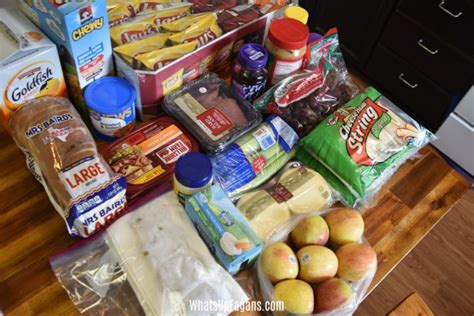
Successful remote cooking begins long before you hit the road. Meticulous planning is key. Consider the duration of your trip, access to resupply points, and your available storage space. Prioritize non-perishable staples like pasta, rice, lentils, canned goods (beans, tomatoes, tuna), oats, and shelf-stable milk alternatives. Dehydrated vegetables and fruits are excellent lightweight options. For fresh produce, choose items that last longer, such as apples, oranges, carrots, potatoes, and hard cheeses.
Meal planning helps avoid waste and ensures you have all necessary ingredients. Think about multi-purpose ingredients – for instance, onions can be used in almost any savory dish, and eggs can be breakfast, lunch, or dinner. Pre-chopping some vegetables or pre-mixing spice blends at home can save valuable time and effort in your travel kitchen.
Essential Gear for Your Travel Kitchen
Your cooking setup will depend on your mode of travel (car camping, RV, backpacking) and the level of ‘gourmet’ you aspire to. However, some items are universally valuable:
- Portable Stove: A compact gas stove (propane or butane) with extra fuel is indispensable. Consider a multi-fuel stove for extreme conditions.
- Cookware: A nested pot and pan set, preferably lightweight and durable, is ideal. A small kettle for hot drinks is also handy.
- Cooler/Fridge: A high-quality cooler or a portable 12V fridge is crucial for perishable items. Optimize its use with block ice or frozen water bottles.
- Utensils: Spatula, spoon, knife, cutting board (collapsible), can opener, and a few eating utensils.
- Cleaning Supplies: Biodegradable soap, sponge, and a small towel are essential for hygiene and Leave No Trace principles.
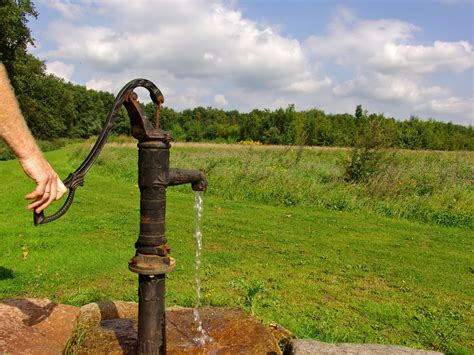
- Water Storage: Ample potable water or a reliable water filter/purifier.
- Storage Containers: Reusable, airtight containers for leftovers and pantry staples.
Simple & Satisfying Meal Ideas
Breakfasts:
- Overnight Oats: Mix oats, chia seeds, dried fruit, and shelf-stable milk in a jar the night before.
- Scrambled Eggs & Toast: Quick and protein-rich, especially with a slice of bread toasted on the pan.
- Pancakes/Crepes: Pre-mix dry ingredients at home; just add water/milk and an egg on site.
Lunches:
- Sandwiches/Wraps: Utilize leftovers, canned tuna/chicken, or fresh veggies.
- Pasta Salad: Cook pasta, mix with canned beans, chopped veggies, and a pre-made dressing.
- Soup/Stews: Reheat a hearty pre-made soup or use dehydrated mixes.
Dinners:
- One-Pot Pasta: Cook pasta directly in a sauce with canned tomatoes, vegetables, and sausage (if refrigerated).
- Rice & Beans: A classic for a reason – add spices, salsa, and cheese for flavor.
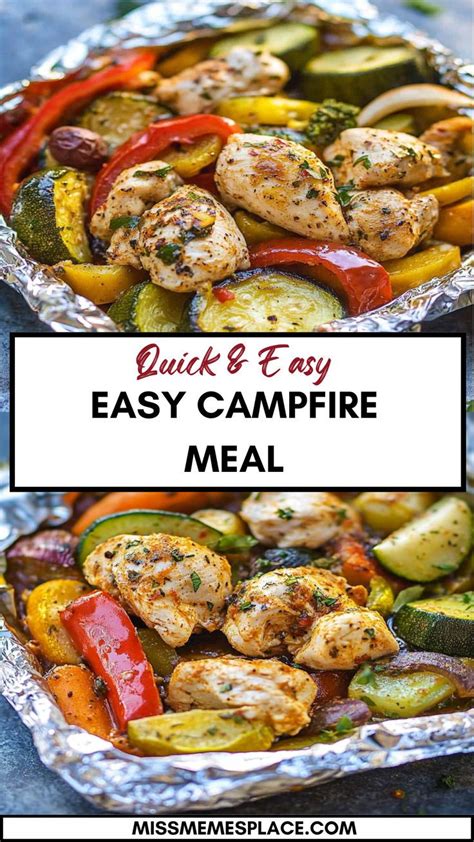
- Foil Packet Meals: Wrap chopped vegetables, protein (e.g., chicken pieces), and seasonings in foil and cook over coals or on a hot pan.
Sourcing Local Ingredients and Foraging (Responsibly)
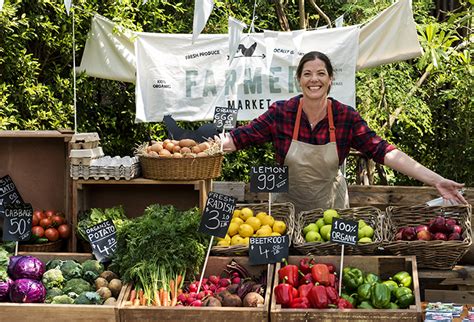
While packing your own provisions is key, don’t miss opportunities to engage with local food sources. Farmers’ markets, roadside stands, and small-town grocery stores can offer fresh, regional ingredients that enhance your meals and connect you with the local culture. Always ask permission and educate yourself on local foraging laws if you’re considering wild edibles; never consume anything you cannot positively identify.

Safety and Sustainability Practices
Cooking in remote areas demands adherence to safety and environmental best practices. Always cook in well-ventilated areas to avoid carbon monoxide poisoning if using gas stoves in enclosed spaces. Store food properly to deter wildlife; use bear canisters or hang food if in bear country. Practice ‘Leave No Trace’ principles: pack out all your trash, including food scraps. Dispose of greywater responsibly, away from water sources, and use biodegradable soaps. Conserve water whenever possible.
Enjoying Your Home Away From Home
Preparing and enjoying real food while traveling remotely isn’t just about sustenance; it’s an integral part of the experience. It offers a sense of control, comfort, and connection to your surroundings. With a little planning, the right gear, and some creativity, you can transform any remote campsite into a cozy outdoor kitchen, savoring delicious, homemade meals under open skies.