
Best ways to get picky eaters to enjoy homemade, garden-fresh family meals?

Feeding picky eaters can feel like navigating a minefield, especially when your goal is to share the bounty of your garden. The desire for your children to enjoy wholesome, fresh produce is strong, but resistance at the dinner table can be equally powerful. The good news is that with a blend of creativity, patience, and strategic involvement, you can turn mealtime into an adventure where even the most hesitant eaters learn to appreciate garden-fresh goodness.
Cultivate Curiosity: Involve Them From the Start
One of the most effective ways to break down barriers to new foods is to give children a sense of ownership over what they eat. This starts long before the food ever reaches the plate.
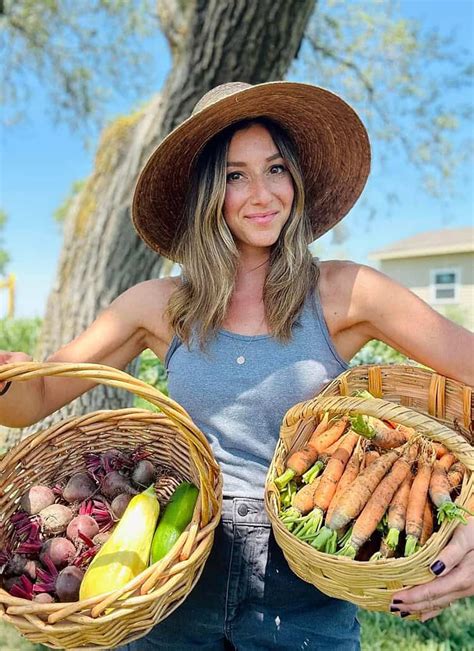
- Garden Helpers: Invite your kids into the garden. Let them help choose seeds, plant them, water, and observe the plants growing. When they pull a carrot or pick a tomato they’ve nurtured, they’re far more likely to want to try it.
- Harvesting Fun: Make harvesting a treasure hunt. Assign them specific tasks, like finding the ripest berries or snapping off peas. The act of gathering their own food creates a powerful connection.

Kitchen Collaborators: Make Cooking an Adventure
Once the produce is in, the kitchen becomes the next playground for exploration. Involving children in meal preparation demystifies food and empowers them to be part of the creation process.
- Age-Appropriate Tasks: Even toddlers can wash vegetables, tear lettuce, or stir ingredients (with supervision). Older children can chop soft vegetables, measure ingredients, or help assemble dishes.
- Name That Dish: Let them help name a new dish. “Superhero Spinach Smoothie” or “Dragon Breath Broccoli Trees” can make a vegetable dish much more appealing than its plain moniker.

Presentation and Choice: The Art of the Plate
How food is presented and the choices offered can significantly impact a picky eater’s willingness to try new things. Remember, we eat with our eyes first.
- Colorful Plates: Arrange food in fun shapes or patterns. Use cookie cutters for sandwiches or fruit. A vibrant, appealing plate is always more inviting.
- Controlled Choices: Instead of asking, “What do you want to eat?” try, “Would you like broccoli or green beans with dinner?” This gives them agency within your healthy framework.
- Lead by Example: Sit down and eat the same healthy meal with enthusiasm. Children are keen observers and often mirror their parents’ eating habits.

Patience and Persistence: The Long Game
Changing eating habits doesn’t happen overnight. It requires a long-term strategy built on patience and consistency.
- The ‘One Bite’ Rule: Encourage a single bite without pressure. If they don’t like it, that’s okay, but the exposure is key. It can take 10-15 exposures for a child to accept a new food.
- No Pressure: Avoid food battles. Forcing food can create negative associations. Keep mealtimes positive and focused on family connection, not just consumption.
- Celebrate Small Wins: Praise them for trying, for helping, or even for simply having a new food on their plate, regardless of whether they ate it all.

Creative Camouflage and Familiar Friends
Sometimes, a little cleverness is needed to introduce new flavors and textures. Don’t be afraid to get a bit sneaky.
- Blend It In: Add pureed vegetables (like zucchini, carrots, or spinach) to sauces, smoothies, muffins, or casseroles. They’ll get the nutrients without seeing the ‘offending’ item.
- Pair with Favorites: Serve a new vegetable alongside a familiar, beloved food. For instance, offer grilled corn on the cob next to their favorite pasta dish.
- Dipping Fun: Offer healthy dips like hummus, yogurt dip, or guacamole with raw or lightly steamed vegetables. Dipping can make trying new foods feel like a game.
![Hidden Veggie Pasta Sauce [For Kids!] - The Healthy Maven](/images/aHR0cHM6Ly90czQubW0uYmluZy5uZXQvdGg/aWQ9T0lQLnVQdTBEQ3gyNmY1Y1FuaGZjVFQyT0FIYUxHJnBpZD0xNS4x.webp)
Conclusion
Encouraging picky eaters to embrace homemade, garden-fresh meals is a journey, not a sprint. By involving them in the entire process from planting to cooking, presenting food in engaging ways, offering choices, and maintaining a patient, positive approach, you can gradually broaden their palates. Celebrate every small step, and remember that fostering a healthy relationship with food and creating positive family mealtime experiences are the ultimate goals.