Best ways to involve kids in garden chores & real food prep?

The Joy of Growing and Cooking Together
In a world increasingly disconnected from the origins of food, involving children in gardening and real food preparation offers a treasure trove of benefits. It’s not just about getting chores done; it’s about fostering curiosity, teaching valuable life skills, promoting healthy eating habits, and creating lasting family memories. From understanding where their food comes from to appreciating the effort involved in preparing a meal, these hands-on experiences lay the groundwork for a lifetime of wellness and independence.
Engaging kids in these activities can seem daunting, but with a little planning and a lot of patience, it can become a highlight of family life. The key is to make it fun, age-appropriate, and an integral part of your routine. Let’s explore some of the best ways to get your little helpers enthusiastic about dirt and deliciousness.

Getting Their Hands Dirty: Kids in the Garden
Gardening is a sensory wonderland for children. The feel of soil, the smell of fresh herbs, the sight of a sprouting seed – it’s all fascinating. Start small to avoid overwhelming them. A few pots on a balcony, a designated raised bed, or even a small patch of ground can be perfect. Choose fast-growing, easy-to-care-for plants like radishes, snap peas, cherry tomatoes, or sunflowers to provide quick gratification and maintain their interest.
Assigning age-appropriate tasks is crucial. Toddlers can help water plants with a small watering can (under supervision), pull larger weeds, or drop seeds into pre-dug holes. Preschoolers can do more precise watering, help with planting larger seeds or seedlings, and harvest ripe fruits and vegetables. Older children can be involved in planning the garden layout, researching different plants, composting, and even building simple garden structures. Giving them their own small plot or specific plants to tend can boost their sense of ownership and responsibility.

Make it an adventure! Invest in kid-sized gardening tools, let them decorate plant markers, or create a ‘fairy garden’ or ‘dinosaur garden’ theme around their section. Celebrate successes, like the first ripe tomato, with enthusiasm. Remember, the goal isn’t perfection, but participation and enjoyment.
From Garden to Table: Real Food Prep
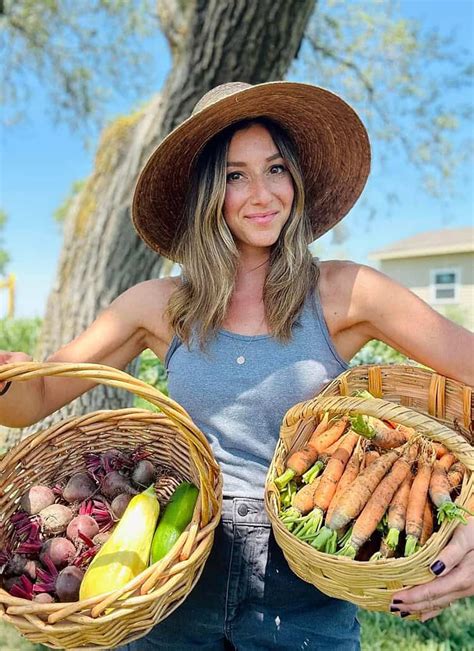
Once the harvest comes in, the real magic begins in the kitchen. Connecting the food they grew directly to the meals they eat is a powerful lesson in food appreciation. Start by involving them in washing and sorting the garden bounty. This simple step reinforces the link between the garden and the plate.
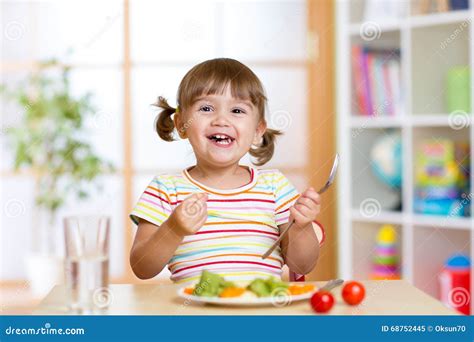
Just like in the garden, kitchen tasks should be tailored to their developmental stage. Young children can wash fruits and vegetables, tear lettuce for salads, stir ingredients in a bowl, or knead dough. As they grow, they can learn to measure ingredients, crack eggs, mash potatoes, or use kid-safe knives for chopping softer foods. Teenagers can take on more complex tasks, from following recipes independently to preparing entire components of a meal.

Safety is paramount. Always supervise children in the kitchen, especially when using sharp tools or heat. Teach them proper handwashing and food hygiene from the start. Turn cooking into a fun learning experience by discussing nutrition, exploring different flavors, and experimenting with recipes. Let them choose a recipe to try from a cookbook or online, or encourage them to invent their own simple snack.

Tips for Lasting Engagement
- Be Patient: Things will get messy, and tasks might take longer. Embrace the process over perfection.
- Lead by Example: Show your enthusiasm for gardening and cooking, and they’re more likely to follow suit.
- Offer Choices: Let them pick what seeds to plant or which vegetable to include in dinner. This empowers them.
- Celebrate Efforts: Praise their contributions, big or small, to build their confidence.
- Don’t Force It: If a child isn’t interested one day, don’t push too hard. Revisit it another time.
- Make it a Routine: Regular involvement, even for short periods, helps establish habits.
Cultivating Healthy Futures
Involving children in garden chores and real food prep is more than just a passing activity; it’s an investment in their future. It teaches them patience, responsibility, self-sufficiency, and an appreciation for healthy, wholesome food. These experiences can significantly reduce picky eating, promote an active lifestyle, and strengthen family bonds. By cultivating these vital skills and connections from a young age, you’re not just growing plants and preparing meals; you’re nurturing healthy, happy, and well-rounded individuals.