Best ways to involve kids in garden-to-table cooking & chores?
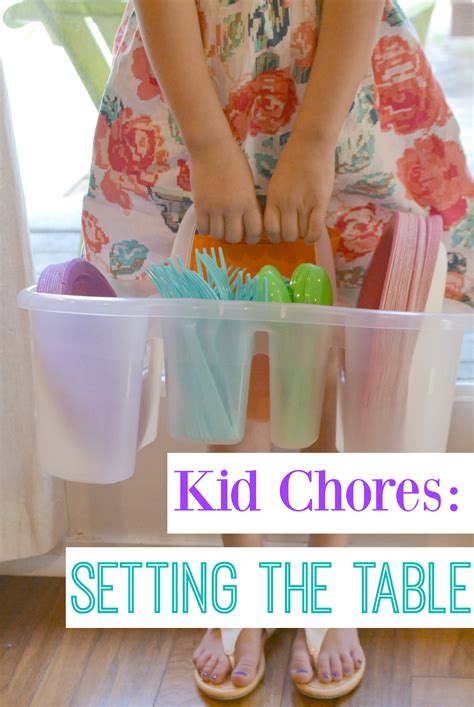
In an age where screens often dominate, encouraging children to connect with nature and their food sources is more important than ever. The garden-to-table experience offers a unique opportunity to teach valuable life skills, promote healthy eating habits, and create unforgettable family memories. Far beyond just planting a seed, this journey encompasses everything from nurturing plants to preparing delicious meals. Here’s how to make it a fun and enriching experience for kids of all ages.
Getting Started in the Garden: From Seed to Sprout
The first step is to ignite their curiosity in the garden itself. Start small and choose plants that are easy to grow and have a relatively quick turnaround, like radishes, snap peas, cherry tomatoes, or simple herbs such as mint and basil. Involve them in the decision-making process; letting them pick what to plant gives them a sense of ownership from the very beginning.
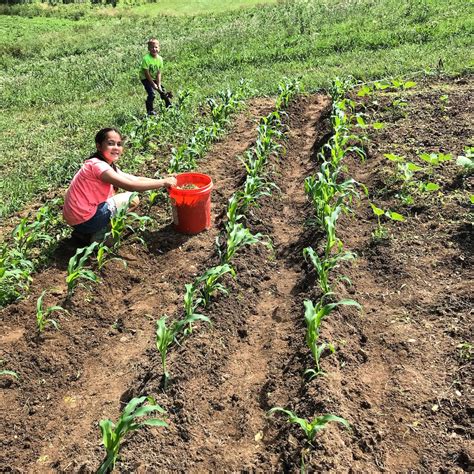
Assign age-appropriate chores. Toddlers can help water plants with a small watering can or dig in the soil (under supervision). Older children can be responsible for weeding specific beds, planting seeds or seedlings, and learning about plant spacing. Provide them with their own kid-sized gardening tools to make the tasks feel more manageable and exciting.
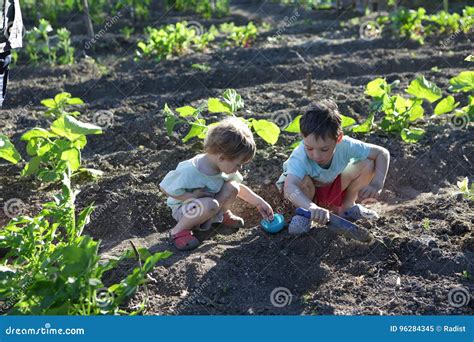
Turn gardening into a game or a science experiment. Talk about how plants need sun and water, or observe insects and discuss their role in the ecosystem. Creating a designated ‘kid’s patch’ where they have full creative control (within reason) can also boost their enthusiasm.
The Thrill of the Harvest: Reaping What They Sow
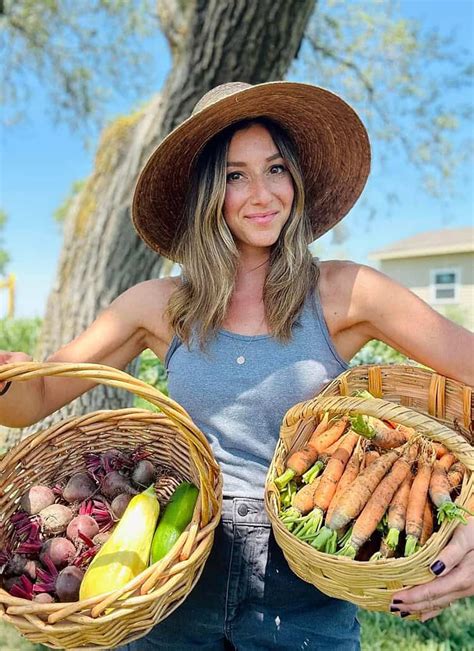
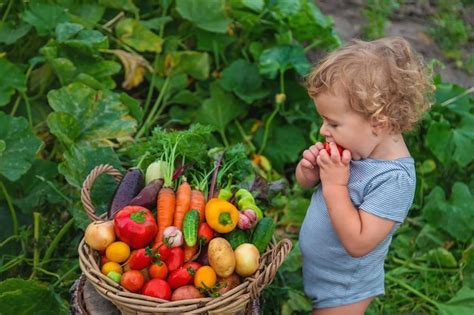
Few things are as satisfying as harvesting the food you’ve grown yourself. This stage is particularly exciting for children as they get to see the tangible results of their efforts. Teach them how to identify ripe produce and the correct way to harvest it without damaging the plant. Explain why some vegetables are ready now, while others need more time.
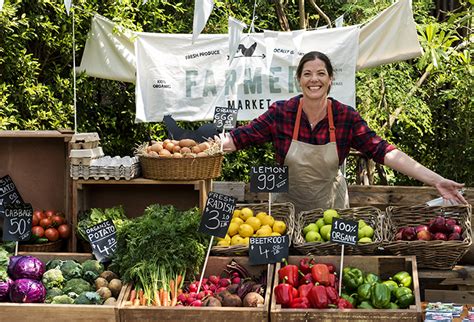
This hands-on experience reinforces patience and the concept of delayed gratification. The moment they pull a carrot from the ground or pluck a ripe tomato from the vine, they’ll feel a profound sense of accomplishment. It’s also a fantastic way to introduce them to different textures, smells, and colors of fresh produce.
Kitchen Adventures: From Garden to Plate
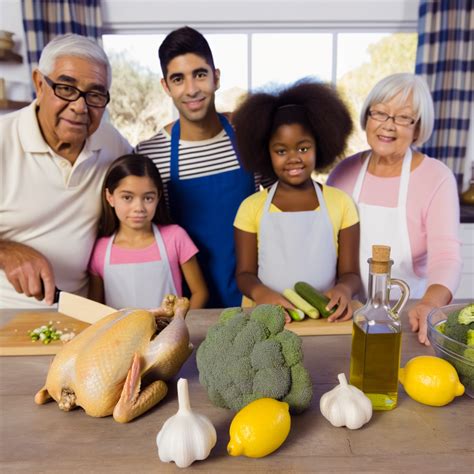
Once the harvest is in, the real magic begins in the kitchen. Involve children in washing and preparing the produce. Younger kids can wash vegetables under supervision, tear lettuce, or shell peas. Older children can learn to chop soft vegetables with a child-safe knife, measure ingredients, stir mixtures, and read simple recipes.
Choose simple, kid-friendly recipes that highlight the fresh ingredients from your garden. Pizzas with garden toppings, fresh salads, homemade pesto, or simple stir-fries are excellent choices. Let them experiment and take pride in their culinary creations. This stage is crucial for developing cooking skills and understanding where their food comes from beyond the grocery store shelf.
Savoring Success & Sustaining the Cycle
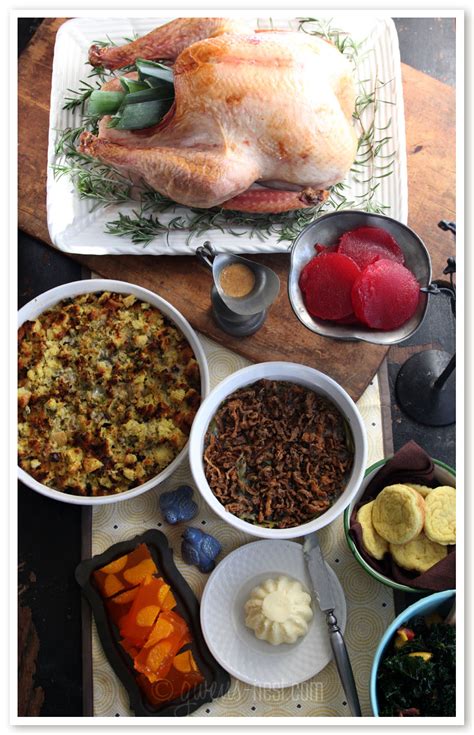
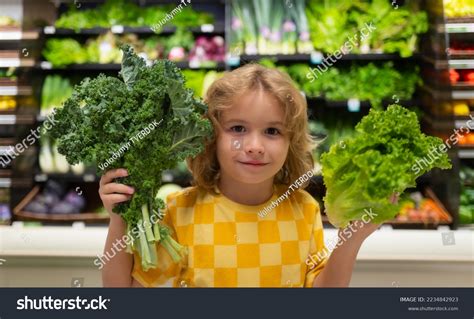
The ultimate reward is sitting down together to enjoy a meal made with ingredients they helped grow and prepare. Kids are often more willing to try new foods, especially vegetables, when they have been involved in the process from start to finish. Celebrate their contributions and praise their efforts, reinforcing the positive connection between their hard work and the delicious outcome.
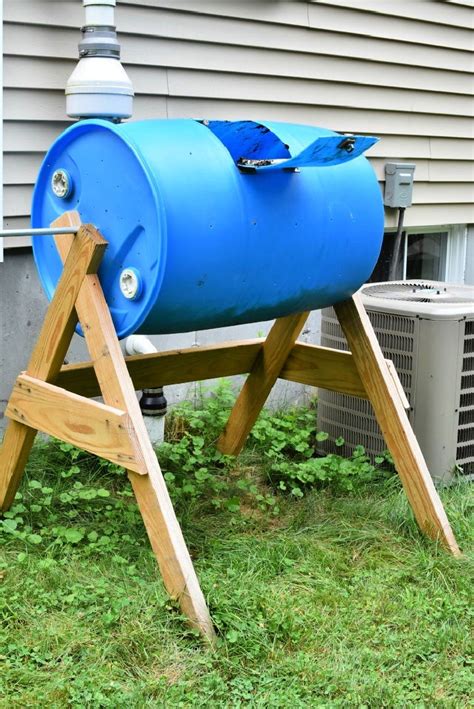
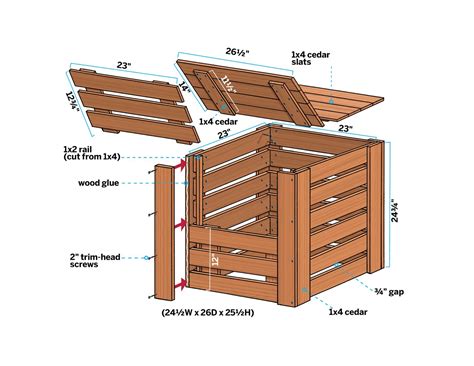
Extend the garden-to-table cycle by teaching about composting kitchen scraps, which then return nutrients to the garden soil. This completes the sustainable loop and teaches valuable lessons about waste reduction and environmental responsibility. Discuss plans for next season’s garden, asking them what they enjoyed growing and what they’d like to try next.

Conclusion: Cultivating More Than Just Food
Involving kids in garden-to-table cooking and chores is more than just a seasonal activity; it’s an investment in their development. It instills a sense of responsibility, fosters patience, encourages healthy eating, and provides hands-on learning experiences in science, nutrition, and practical life skills. Most importantly, it creates a bond over shared experiences, cultivating not just food, but also strong family connections and a lifelong appreciation for nature and wholesome living.