Best ways to involve young kids in daily homestead chores?
Why Involve Young Kids in Homestead Chores?
Homesteading is more than just a lifestyle; it’s a living classroom. For young children, participating in daily chores offers an unparalleled opportunity to learn about where food comes from, the effort required to maintain a home and land, and the satisfaction of contributing to a family unit. Beyond practical skills, it instills a strong work ethic, a sense of responsibility, and a deeper connection to nature and their environment. While it might seem daunting to add more ‘helpers’ to an already busy schedule, framing chores as shared adventures can transform mundane tasks into meaningful learning experiences.
Age-Appropriate Chores: Starting Small
The key to successful involvement is understanding what young children (toddlers to early elementary) are capable of doing. Don’t expect perfection, but focus on participation and effort. Here are some ideas for age-appropriate tasks:
In the Garden & Outdoors:
- Watering Plants: Give them a small watering can or hose.
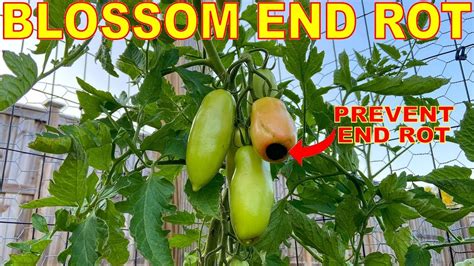
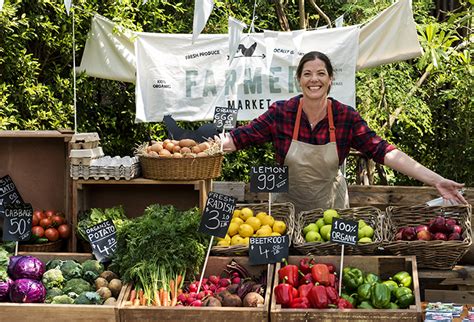
- Harvesting: Let them pick berries, cherry tomatoes, or snap beans.
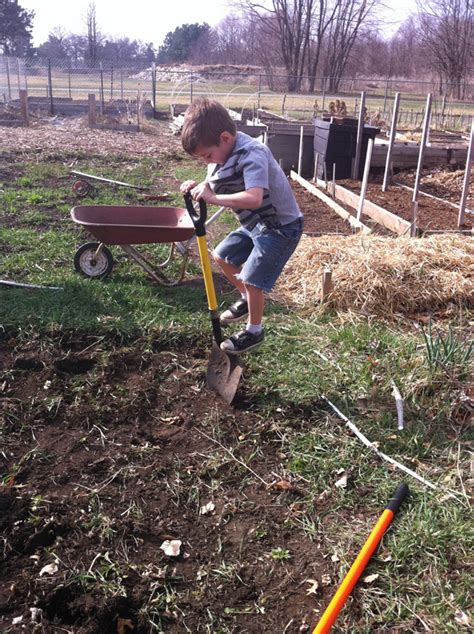
- Weeding: Assign a small, specific patch where they can pull weeds (supervised to avoid pulling seedlings).
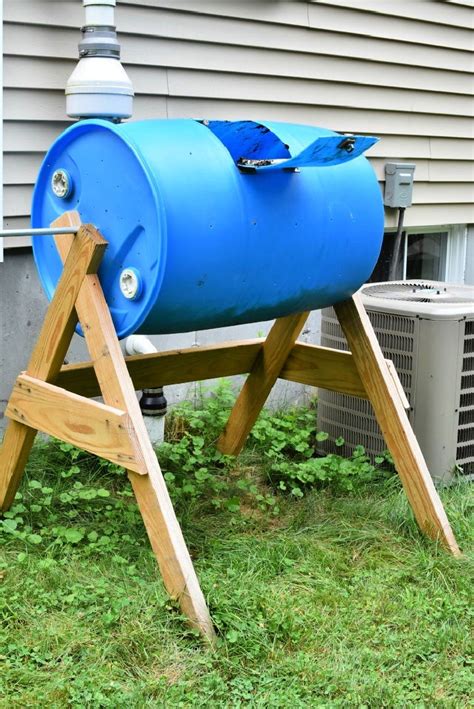
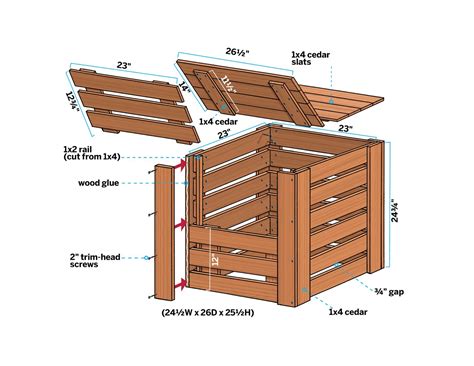
- Compost Duty: Help carry kitchen scraps to the compost bin.
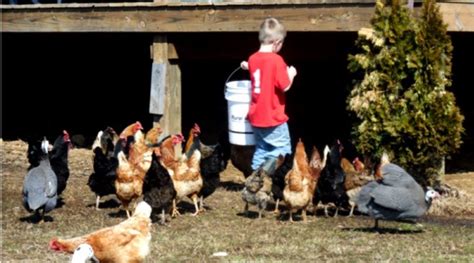
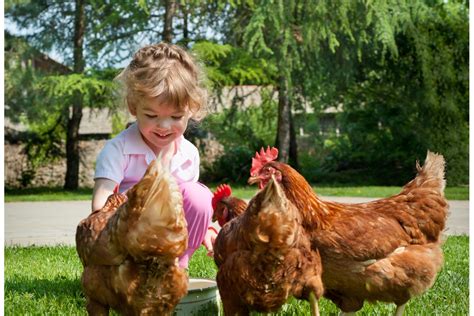
- Animal Care: Fill water bowls for pets or simple tasks like collecting eggs (with supervision).
Indoors & Around the House:
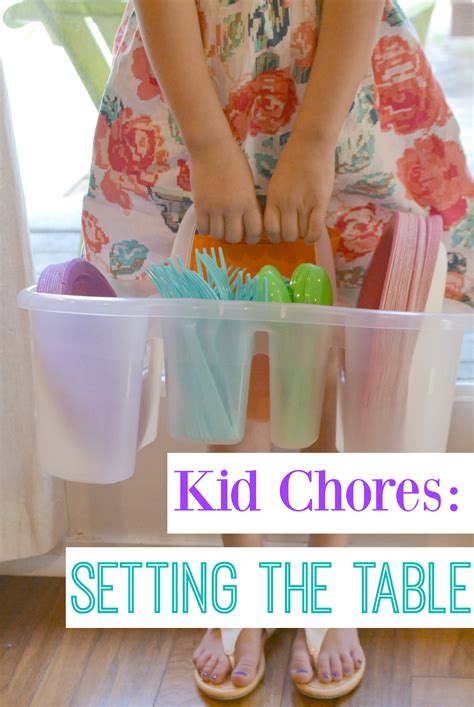
- Meal Prep: Washing vegetables, stirring ingredients, setting the table.
- Organizing: Putting away toys, sorting laundry by color.
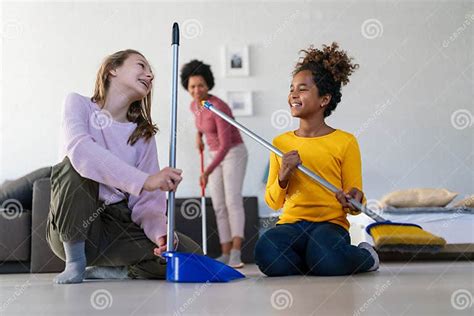
- Cleaning: Wiping down low surfaces, sweeping small areas, dusting.
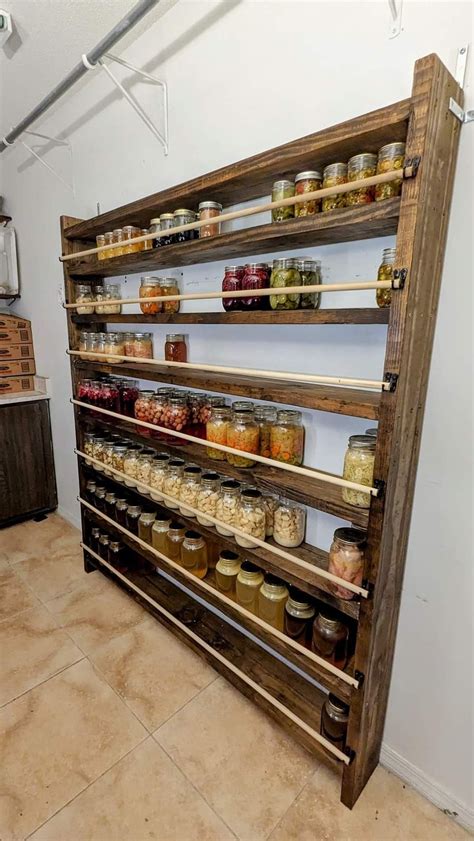
- Food Preservation: Shelling peas, husking corn, sorting produce.
Making Chores Fun and Engaging
For young children, the line between play and work is often blurred. Leverage this by turning chores into games or exciting challenges:
- Sing Songs: Make up a chore song or sing along to upbeat music.
- Race the Clock: “Let’s see if we can finish putting away the toys before the timer goes off!”
- Storytelling: Invent a story about the ‘adventures’ of the vegetables in the garden or the ‘secret mission’ of the dust bunnies.
- Reward System (Optional): While intrinsic motivation is ideal, small, non-monetary rewards (like extra story time or choosing the next family movie) can be effective motivators initially.

Teach Life Skills and Responsibility
Beyond simply getting tasks done, focus on the ‘why’ behind the chores. Explain how their efforts contribute to the family and the homestead. This builds a sense of purpose and belonging.
- Show, Don’t Just Tell: Demonstrate how to do a task first, then let them try.
- Praise Effort, Not Perfection: Acknowledge their hard work and positive attitude, even if the task isn’t done perfectly.
- Encourage Independence: Let them figure things out and make small mistakes. Offer guidance without taking over.
- Be Patient: Chores with young children will take longer. Factor this into your schedule and embrace the learning process.

Safety First & Leading by Example
Always prioritize safety. Provide child-sized tools when appropriate, supervise tasks that involve sharp objects or heavy lifting, and teach them about potential hazards. Most importantly, kids learn by watching. If you approach homestead chores with enthusiasm, diligence, and a positive attitude, your children are more likely to follow suit. Make it a family affair where everyone contributes, fostering a strong sense of teamwork and shared accomplishment.
Conclusion
Involving young children in daily homestead chores is an investment in their future and the fabric of your family. It’s an opportunity to teach invaluable life skills, cultivate a strong work ethic, and create lasting memories together. By starting with age-appropriate tasks, making it fun, and focusing on the learning process, you can raise capable, confident, and connected homesteaders for generations to come.