Best ways to preserve a big garden harvest of tomatoes for winter meals?
Introduction: Making Your Tomato Harvest Last
There’s nothing quite like the taste of a fresh, sun-ripened garden tomato. When your garden is overflowing with a bountiful harvest, the challenge shifts from growing to preserving. Don’t let those juicy beauties go to waste! With a little effort, you can enjoy the taste of summer’s best tomatoes all winter long. Here are some of the best and most popular methods to preserve your big tomato harvest for delicious winter meals.
1. Canning: The Classic Method
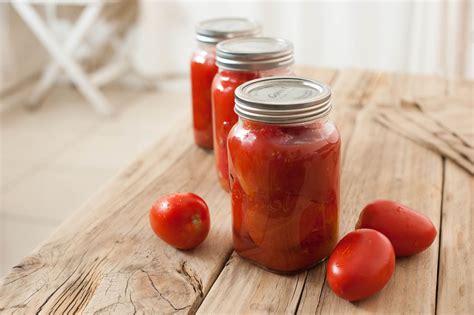
Canning is a time-honored tradition for preserving tomatoes, offering a shelf-stable product that’s ready to use. Tomatoes are acidic enough for safe water bath canning, though adding a touch of lemon juice or citric acid is often recommended for extra safety, especially with lower-acid varieties.
Whole or Diced Tomatoes
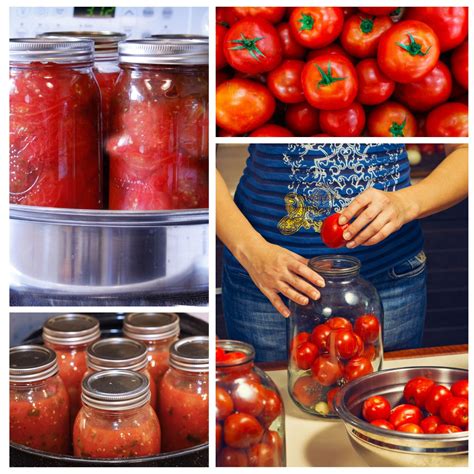
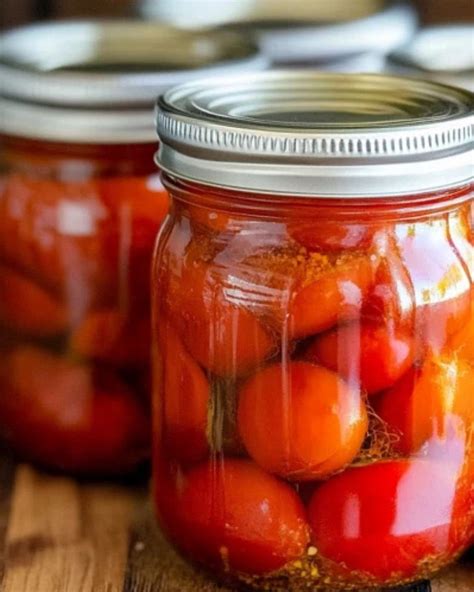
Preserving whole or diced tomatoes is incredibly versatile. They can be used in soups, stews, chilis, or roasted. Simply wash, peel (optional, but recommended for smoother texture), and core your tomatoes. Pack them into sterilized jars, adding a tablespoon of lemon juice or 1/4 teaspoon of citric acid per quart. Cover with boiling water or their own juice, leaving 1/2-inch headspace. Process in a boiling water canner according to altitude-adjusted times, typically 35-45 minutes for quarts.
Crushed Tomatoes or Tomato Purée
For sauces, soups, and pizza bases, crushed tomatoes or purée are invaluable. Cook down your tomatoes until soft, then run them through a food mill or blender to remove skins and seeds, creating a smooth consistency. Return to the stove and simmer to your desired thickness. Pack into sterilized jars, adding lemon juice or citric acid, leaving 1/2-inch headspace. Process in a boiling water canner for 40-45 minutes for quarts.
2. Freezing: Simple and Versatile
Freezing is arguably the easiest way to preserve tomatoes, requiring minimal equipment and effort. While texture can change slightly, frozen tomatoes are excellent for cooking.
Freezing Whole Tomatoes
For whole tomatoes, simply wash and core them. Place them on a baking sheet in a single layer and freeze until solid. Once frozen, transfer them to freezer-safe bags or containers. When you’re ready to use them, just run them under warm water, and the skin will slip right off. They’re perfect for throwing into sauces or stews directly from the freezer.
Freezing Tomato Sauce or Paste
Cook down your tomatoes into a sauce or even a concentrated paste before freezing. This saves freezer space and gives you a ready-made base for future meals. Pour cooled sauce into freezer-safe containers, leaving headspace, or into ice cube trays for individual portions. Once frozen, transfer cubes to freezer bags.

3. Drying: Intense Flavor and Space-Saving
Drying tomatoes concentrates their flavor into chewy, intensely savory bites. They’re fantastic in salads, pasta dishes, omelets, and bread.
Sun-Dried Tomatoes (or Oven-Dried)
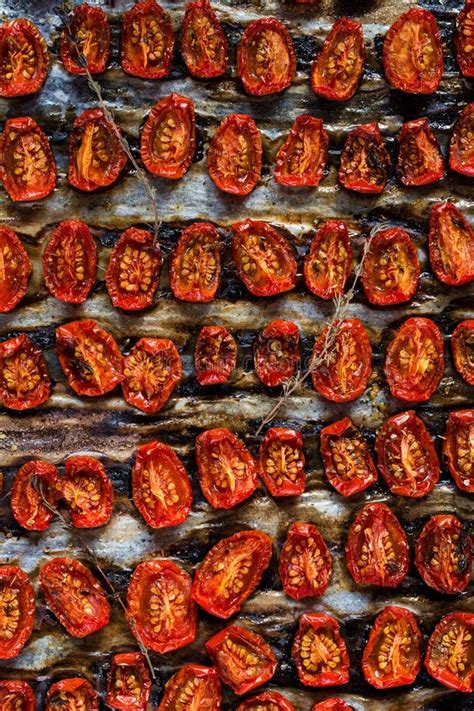
Slice tomatoes (roma or paste tomatoes work best) about 1/4-inch thick. If using a dehydrator, arrange slices in a single layer and dry at 135°F (57°C) for 6-12 hours or until leathery and pliable, not brittle. If using an oven, set it to its lowest temperature (ideally 150-200°F/65-93°C) and prop the door open slightly. This can take 8-12 hours. Store dried tomatoes in airtight containers at room temperature or cover them in olive oil (refrigerated) for an even richer flavor.
4. Fermenting: A Tangy Twist
Fermented tomatoes offer a unique tangy flavor and provide beneficial probiotics. While less common for bulk preservation than canning or freezing, it’s a great option for a portion of your harvest.
Fermented Tomato Salsa or Ketchup
You can ferment whole cherry tomatoes or chop larger ones for a probiotic-rich salsa. Combine tomatoes with salt, herbs, and spices, then submerge them in a brine solution. Let them ferment at room temperature for several days to a week, or until they reach your desired tanginess. Store fermented products in the refrigerator.
Conclusion: Enjoying Your Garden All Year
Whether you choose the traditional path of canning, the convenience of freezing, the intense flavor of drying, or the probiotic benefits of fermenting, preserving your tomato harvest is a rewarding endeavor. Each method offers a unique way to capture the essence of summer, ensuring your winter meals are bursting with homemade flavor. Experiment with different techniques to find what works best for your kitchen and your taste buds, and enjoy the fruits of your labor long after the gardening season ends!