


Best ways to preserve a bountiful garden harvest using traditional recipes?

Embracing the Art of Garden Preservation
As the growing season culminates in a burst of ripe produce, a bountiful garden harvest presents a delightful challenge: how to enjoy its freshness beyond the immediate season. For centuries, our ancestors perfected various methods of food preservation, not just out of necessity, but as a culinary art form. These traditional recipes and techniques allow us to capture the peak flavors of fruits and vegetables, extending their deliciousness throughout the year and connecting us to sustainable practices.
Canning and Jamming: Sealing in Summer’s Sweetness
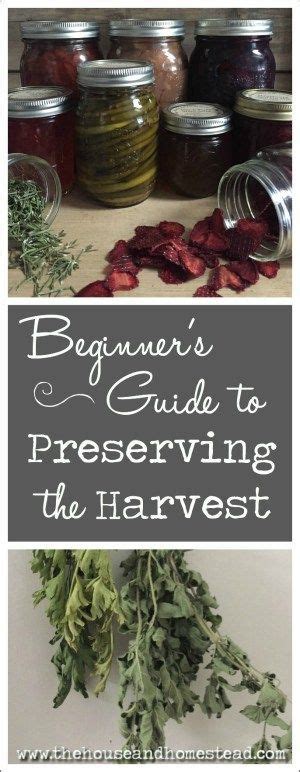
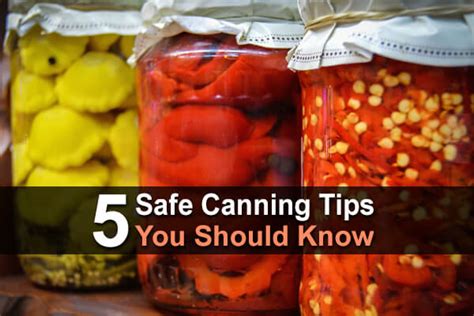
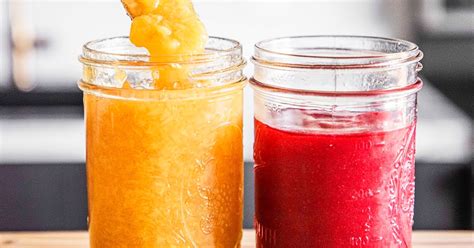
Canning, whether through water bath or pressure canning, is a time-honored method for preserving fruits, vegetables, and entire meals. Water bath canning is ideal for high-acid foods like fruits, jams, jellies, and pickles, creating an airtight seal that prevents spoilage. Pressure canning is essential for low-acid foods such as vegetables, meats, and soups, reaching higher temperatures to eliminate harmful bacteria.
Traditional canning recipes are often simple yet incredibly rewarding. Think vibrant berry jams, tangy apple butter, or robust tomato sauces made from sun-ripened heirlooms. These staples not only stock your pantry but also make thoughtful, homemade gifts.
Pickling and Fermentation: The Tangy Transformation
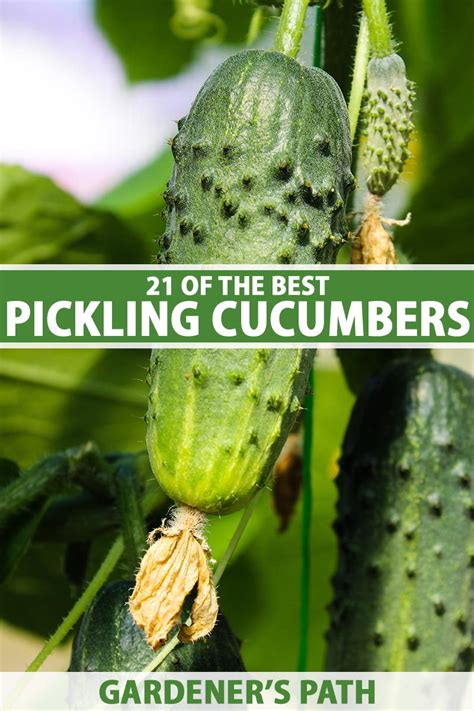
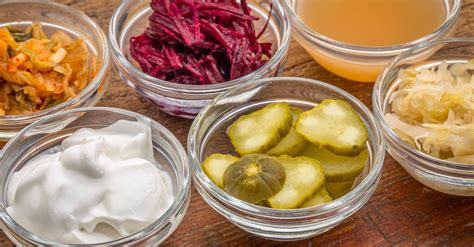
Pickling and fermentation are ancient preservation techniques that not only extend the life of produce but also introduce unique flavors and probiotic benefits. Pickling typically involves submerging vegetables in an acidic solution, usually vinegar, combined with spices. Classic examples include crisp dill pickles, sweet bread-and-butter pickles, and various pickled relishes.
Fermentation, on the other hand, utilizes beneficial bacteria to convert sugars into lactic acid, creating a distinctive sour flavor and a powerhouse of gut-healthy microbes. Sauerkraut, kimchi, and lacto-fermented carrots or green beans are excellent ways to experiment with this dynamic process. The transformation of raw ingredients into complex, tangy preserves is truly fascinating.
Drying and Dehydration: Concentrating Nature’s Flavors
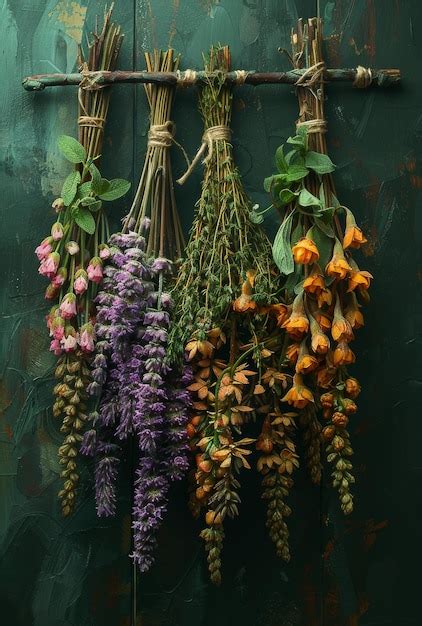
Drying is perhaps the oldest known method of food preservation, simply removing moisture to inhibit microbial growth. From sun-drying to air-drying to using modern dehydrators, this technique intensifies the flavors of fruits, vegetables, and herbs. Dried herbs retain their aromatic potency for months, adding depth to winter cooking. Sun-dried tomatoes offer a concentrated burst of umami, perfect for pasta sauces or salads.
Fruit leathers, dried apple rings, and even dried mushrooms are popular and delicious ways to enjoy your harvest. This method is energy-efficient, especially when utilizing natural sunlight, and results in lightweight, shelf-stable ingredients.
Root Cellaring and Cool Storage: Embracing Natural Climates
Before refrigeration, root cellars and cool, dark storage spaces were crucial for preserving hardy vegetables and fruits. Conditions in a root cellar—cool temperatures (just above freezing), high humidity, and darkness—are ideal for storing root crops like carrots, potatoes, beets, and parsnips, as well as apples, pears, and winter squash. While not everyone has a dedicated root cellar, a cool, dark basement or even a well-insulated garage can mimic these conditions for certain produce.
Proper ventilation and monitoring humidity are key to preventing spoilage and ensuring a long storage life for your autumn harvest.

Freezing with a Traditional Twist: Modern Convenience for Old Favorites
While freezing is a relatively modern preservation method compared to canning or drying, it pairs beautifully with traditional recipes. Many traditional dishes, like pestos, vegetable purees, or slow-cooked stews, can be prepared and then frozen in meal-sized portions. Blanching garden vegetables (like green beans, corn, or broccoli) before freezing helps them retain their color, texture, and nutritional value, making them ready for winter meals.
Freezing allows for a quick and easy way to preserve the freshness of herbs, sauces, and blanched vegetables, providing a convenient option to enjoy your garden’s bounty with minimal effort when time is short.

Harvesting the Rewards of Your Labor
Preserving your garden harvest using traditional recipes is more than just a chore; it’s a rewarding journey that connects you to generations of home cooks. It’s about savoring the flavors of your hard work, reducing waste, and enjoying wholesome, homemade food throughout the year. Each jar of jam, batch of pickles, or dried herb bundle is a testament to the bounty of nature and the timeless wisdom of traditional culinary arts.