
Best ways to preserve a bountiful summer tomato harvest without a huge freezer?

Embrace the Summer Bounty: Preserving Tomatoes Beyond the Freezer
There’s nothing quite like the taste of a sun-ripened summer tomato, bursting with flavor and juice. For many gardeners, the harvest is so abundant that it quickly outpaces fresh consumption. While freezing is a popular method, not everyone has the freezer space for mountains of tomatoes. Fortunately, a world of traditional and innovative preservation techniques exists that allows you to enjoy that peak summer taste all year long, all without needing a giant freezer.
Diving into these methods not only saves freezer real estate but also introduces you to new flavors and textures, making your kitchen a hub of culinary creativity. Let’s explore the best ways to keep that tomato goodness going, sustainably and deliciously.

1. The Time-Honored Tradition: Canning Tomatoes
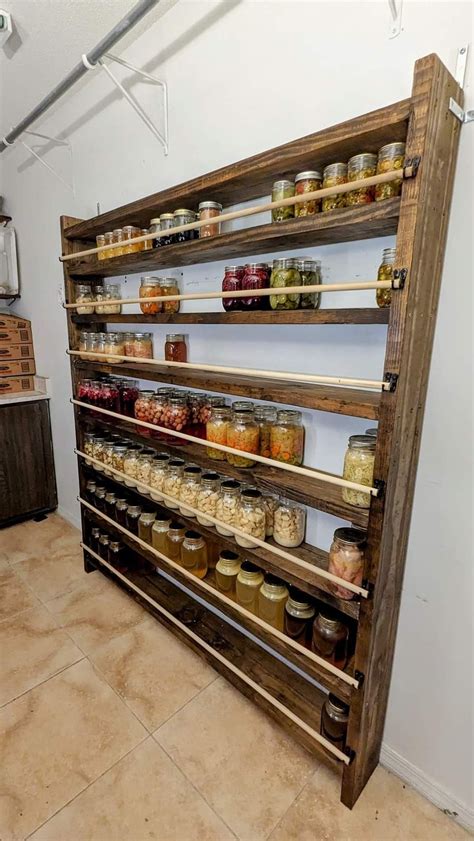
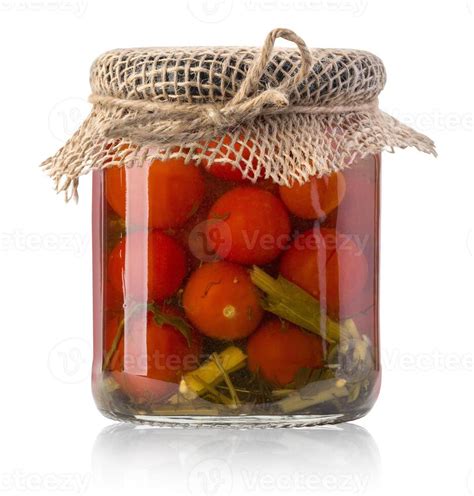
Canning is arguably the most common and effective method for long-term, shelf-stable tomato preservation. With proper technique, you can store jars of tomatoes for years in your pantry. Tomatoes are a borderline acidic food, meaning they can be safely preserved using a water bath canner if their acidity is increased slightly (often with lemon juice or citric acid), or with a pressure canner for pure tomato products.
Popular Canning Forms:
- Whole Peeled Tomatoes: Perfect for sauces, stews, and chilis.
- Diced Tomatoes: Versatile for almost any recipe calling for fresh tomatoes.
- Crushed Tomatoes/Puree: Forms the base for countless pasta sauces and soups.
- Salsa and Ketchup: With added vinegar and other ingredients, these become flavorful shelf-stable condiments.
Remember to always follow tested, up-to-date recipes from reputable sources like the National Center for Home Food Preservation to ensure safety.
2. Concentrating Flavor: Dehydrating and Sun-Drying
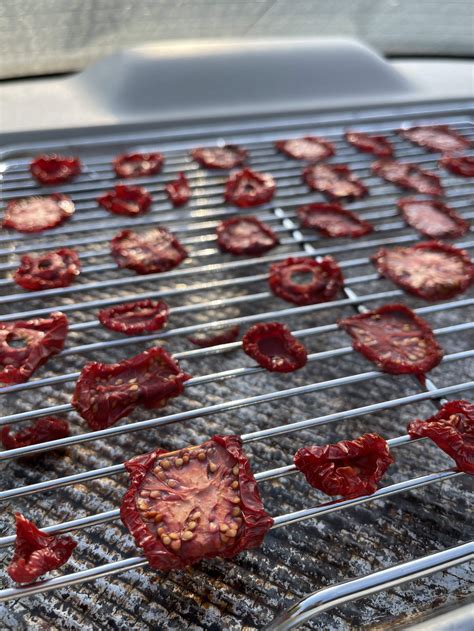
Removing water from tomatoes not only makes them shelf-stable but also intensely concentrates their flavor, resulting in a sweet and savory bite. Dehydrated tomatoes take up minimal space and are incredibly versatile.
Methods and Uses:
- Dehydrator: A dedicated dehydrator offers controlled, consistent drying. Slice tomatoes thinly for quicker results.
- Oven Drying: A low oven setting (around 175-200°F or 80-95°C) with the door slightly ajar can mimic a dehydrator.
- Sun Drying: In hot, dry climates, slicing tomatoes and placing them on screens in direct sunlight is a traditional method, though it requires vigilance against pests and moisture.
Once dry, store them in airtight containers. Use them as snacks, rehydrate them for sauces, add them to salads, or pack them in olive oil (for shorter-term storage in the fridge) to make exquisite oil-packed sun-dried tomatoes.
3. The Art of Fermentation: Tangy Tomato Goodness
Fermentation is an ancient preservation technique that introduces beneficial bacteria, creating unique flavors and added nutritional benefits. Lacto-fermenting tomatoes can yield surprisingly delicious results.
Ideas for Fermented Tomatoes:
- Fermented Salsa: A vibrant, tangy salsa that lasts for weeks (or even months if properly stored in a cool place) and offers probiotic benefits.
- Fermented Tomato Paste: A deep, complex paste that can be used to enrich sauces and dishes.
- Salt-Cured Tomatoes: Simple quartered tomatoes packed in a brine can be stored for extended periods in the fridge and add a wonderful umami depth to cooking.
The key to fermentation is a clean environment, proper salt concentration, and maintaining an anaerobic (oxygen-free) environment for the initial fermentation period.
4. Crafting Shelf-Stable Sauces, Pastes, and Jams
Beyond basic canning, transforming your tomatoes into cooked-down products can provide incredible pantry staples:
- Roasted Tomato Sauce: Roasting tomatoes intensifies their flavor. Cook them down with herbs and garlic, then can the sauce for a ready-to-use pasta base.
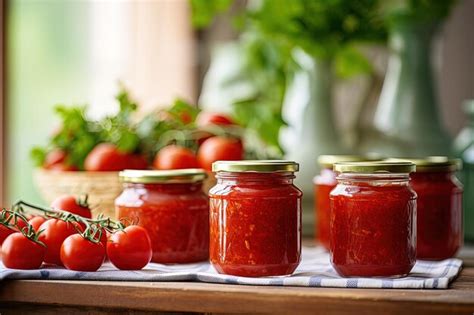
- Tomato Paste: A labor of love, but homemade tomato paste is far superior to store-bought. Slow-cooking and reducing a large batch of tomatoes results in a thick, concentrated paste that can be canned in small jars.
- Tomato Jam/Relish: Sweet and savory tomato jams or tangy relishes, often made with vinegar and spices, can be canned using a water bath canner and served with cheeses, meats, or sandwiches.
These methods allow you to customize flavors to your preference and create unique gourmet items from your harvest.
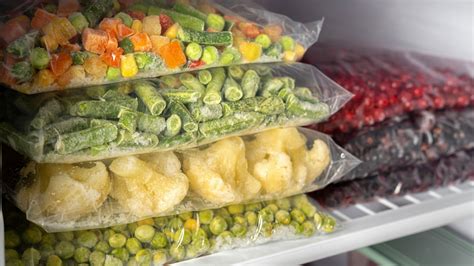
5. Smart & Compact Freezing (When You Have Just a Little Space)
Even without a huge freezer, you can still leverage a small amount of freezer space very efficiently for specific tomato preparations:
- Flash-Frozen Roasted Halves: Roast tomato halves until slightly caramelized. Once cool, flash freeze them on a baking sheet, then transfer to a freezer bag. They take up less space than raw tomatoes and are ready for stews or sauces.
- Tomato Paste Cubes: Reduce tomatoes to a thick paste, then spoon into ice cube trays and freeze. Once solid, transfer the cubes to a freezer bag. Pop out a cube or two as needed for concentrated tomato flavor.
- Blanched & Diced: Quickly blanch, peel, and dice tomatoes. Spread them on a baking sheet to flash freeze, then bag them. This makes them easy to portion and takes up less room than whole tomatoes.
These techniques make the most of limited freezer capacity by reducing volume and pre-processing the tomatoes for easy future use.

Conclusion: Savoring Summer All Year Long
A bountiful summer tomato harvest doesn’t have to be a race against time or a logistical nightmare if you’re short on freezer space. By embracing a variety of preservation methods—from the age-old art of canning and dehydrating to the exciting world of fermentation and smart sauce making—you can ensure that the taste of summer’s best tomatoes graces your table throughout the year. Experiment with these techniques to find your favorites, and enjoy the delicious rewards of your labor and foresight.