
Best ways to preserve garden bounty for real food family meals all year?

The satisfaction of harvesting fresh produce from your own garden is unparalleled. But the true magic lies in extending that abundance beyond the growing season, ensuring your family enjoys real food meals all year long. Preserving your garden bounty not only reduces grocery bills but also guarantees nutrient-dense, chemical-free ingredients for your table. Let’s explore the best ways to keep your pantry stocked with wholesome goodness.
Freezing: The Quick & Easy Method
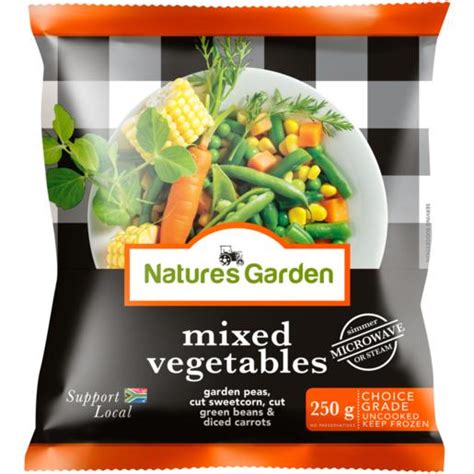
Freezing is perhaps the simplest and most accessible method for preserving a wide variety of fruits and vegetables. Most vegetables benefit from blanching (briefly boiling, then plunging into ice water) before freezing to retain color, texture, and nutrients. Berries, sliced peaches, and corn kernels can often be flash-frozen on baking sheets before being transferred to freezer bags, preventing them from clumping together. This method is excellent for everything from green beans and broccoli to peas and bell peppers, ready to be tossed into stir-fries, soups, or casseroles.
Canning: Sealing in Summer Flavors
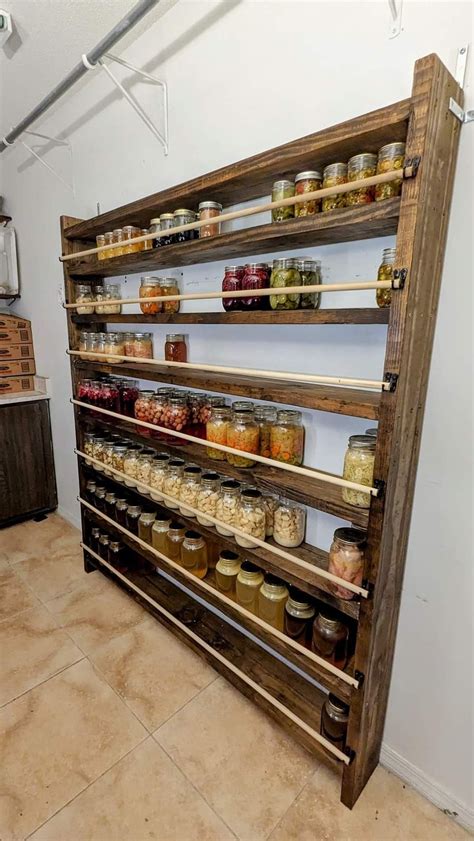
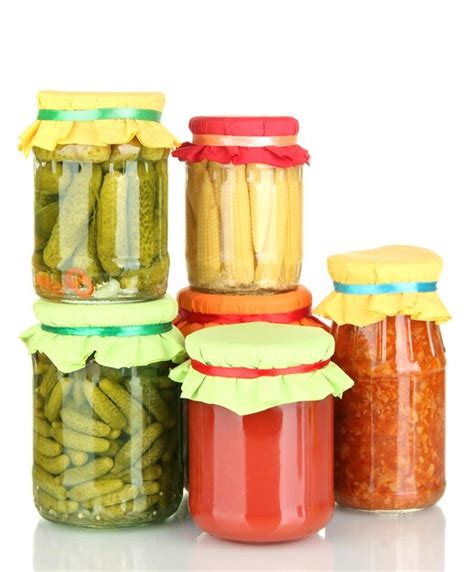
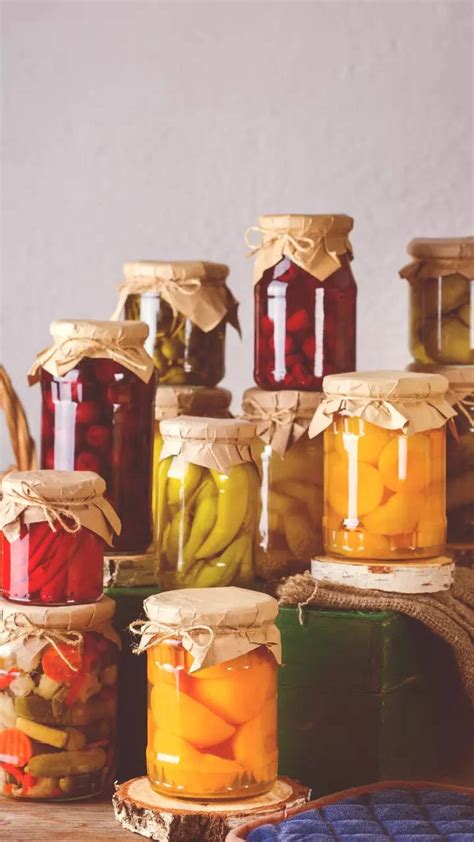
Canning offers shelf-stable preservation, creating a pantry full of jars brimming with summer’s goodness. There are two primary methods: water bath canning for high-acid foods (fruits, jams, jellies, pickles, tomatoes with added acid) and pressure canning for low-acid foods (most vegetables, meats, beans, soups). While it requires specific equipment and attention to safety guidelines, the reward is a versatile supply of ingredients for countless family meals, from homemade pasta sauce to pickled dilly beans.
Dehydrating: Concentrating Nutrients & Flavor
Dehydration involves removing moisture from food, inhibiting microbial growth and concentrating flavors. A food dehydrator or even a low-temperature oven can be used for this. Think dried apples for snacks, sun-dried tomatoes for pastas, herbs for seasonings, or even making your own vegetable powders for instant soup bases. Dehydrated foods are lightweight and take up minimal storage space, making them ideal for camping trips or compact pantries.
Fermentation: The Living Food Method
Fermentation is an ancient preservation technique that not only extends shelf life but also enhances nutritional value through probiotics. Making sauerkraut, kimchi, or lacto-fermented pickles is a simple process requiring just vegetables, salt, and water. These tangy, gut-healthy additions can elevate any meal and introduce new flavors to your family’s diet. Plus, it’s a wonderfully hands-on process that can be a fun family project.
Root Cellaring & Cold Storage: Nature’s Refrigerator
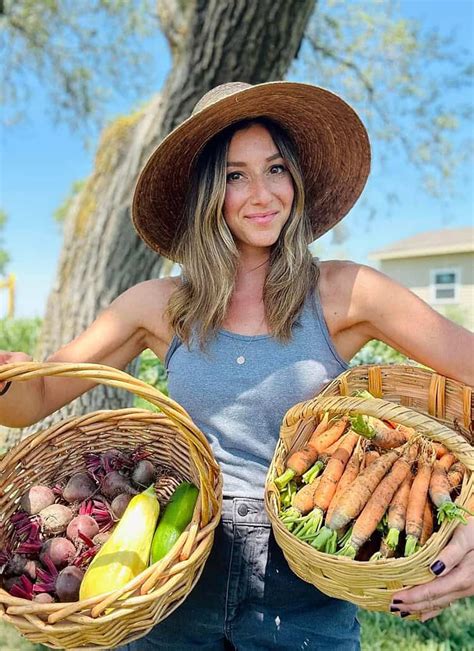
For certain crops, simple cold storage is all that’s needed. A traditional root cellar, or even a cool, dark basement or garage, can keep vegetables like potatoes, carrots, onions, beets, and apples fresh for months. The key is consistent cool temperatures and moderate humidity. Wrapping root vegetables in damp sand or sawdust can further extend their life, mimicking their natural environment. This method is incredibly low-tech and energy-efficient.
Planning for Year-Round Meals
To truly integrate your preserved bounty into year-round family meals, a little planning goes a long way. Consider what your family eats most often and prioritize preserving those items. Label everything clearly with contents and date. When meal planning, think about how your frozen berries can become smoothies, your canned tomatoes a pasta sauce, or your dried herbs a savory rub. Involving children in the harvesting, processing, and cooking phases can foster a deeper appreciation for where their food comes from.

Conclusion
Embracing food preservation techniques transforms your garden’s seasonal peak into a continuous source of real food for your family. Whether you choose freezing, canning, dehydrating, fermenting, or cold storage, each method offers unique benefits and allows you to enjoy the flavors of summer long after the last harvest. It’s an investment in your family’s health, your budget, and a deeper connection to the food you eat.