



Best ways to preserve garden bounty for real food family meals year-round?

Harvesting Health: Preserving Your Garden’s Bounty for Year-Round Family Meals
There’s nothing quite as satisfying as harvesting fresh, vibrant produce from your own garden. But what do you do when your cucumber plants go into overdrive or your tomato vines are overflowing? The key to enjoying that garden goodness long after the season ends lies in smart preservation. By transforming your surplus into shelf-stable ingredients, you can ensure your family enjoys nutritious, real food meals year-round, save money, and reduce food waste.
Freezing: The Go-To for Quick Preservation
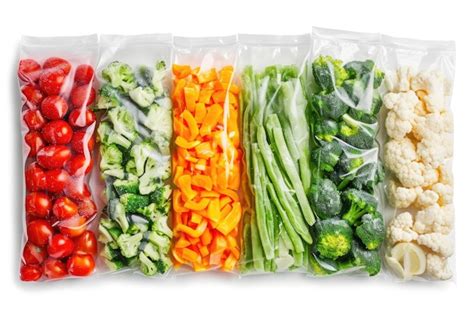
Freezing is arguably the easiest and most versatile preservation method for home gardeners. It requires minimal equipment beyond freezer bags or containers and a freezer. Most vegetables benefit from blanching (a quick dip in boiling water followed by an ice bath) before freezing to preserve color, flavor, and nutrients. Fruits, on the other hand, can often be frozen whole or sliced without any pre-treatment, perfect for smoothies or baking.
- Vegetables: Blanch broccoli florets, green beans, corn kernels, and peas before freezing.
- Fruits: Freeze berries on a baking sheet before transferring to bags to prevent clumping. Slice peaches or apples and toss with a little lemon juice to prevent browning.
- Herbs: Chop fresh herbs and freeze them in olive oil or water in ice cube trays for easy meal additions.
Canning: Sealing in Summer’s Flavor
Canning allows you to store food at room temperature for extended periods, making it a fantastic option for pantry staples. There are two primary methods: water bath canning for high-acid foods (fruits, pickles, jams, jellies, tomatoes with added acid) and pressure canning for low-acid foods (vegetables, meats, soups). Always follow tested recipes from reliable sources like the USDA or university extension offices to ensure food safety.
- Water Bath Canning: Ideal for homemade salsas, fruit preserves, pickled cucumbers, and tomato sauce.
- Pressure Canning: Essential for green beans, corn, carrots, and any mixed vegetable soups.

Dehydrating and Fermenting: Ancient Arts for Modern Kitchens
Dehydrating removes water content, inhibiting microbial growth and concentrating flavors. A food dehydrator makes this process efficient, but a low oven or even natural sunlight (with proper precautions) can also work. Fermentation, a process driven by beneficial bacteria, creates probiotic-rich foods with unique flavors and extended shelf life.
- Dehydrating: Make fruit leathers, dried herbs, sun-dried tomatoes, or vegetable chips.
- Fermenting: Create sauerkraut from cabbage, lacto-fermented pickles, or spicy kimchi.

Root Cellars and Cool Storage: Nature’s Refrigerator
For certain root vegetables and fruits, a cool, dark, and humid environment can be all you need. A dedicated root cellar, an unheated basement corner, or even a cool closet can extend the life of many crops without electricity. This method is surprisingly effective for long-term storage of potatoes, carrots, beets, apples, and winter squash.
Tips for Successful Year-Round Eating
To truly integrate your preserved bounty into year-round family meals:
- Label Everything: Include date and contents.
- Batch Cook: Use your preserved ingredients to make large batches of chili, stew, or soup that can be frozen.
- Involve the Family: Make preservation a family activity, from harvesting to packaging. Kids are more likely to eat what they helped prepare.
- Plan Your Garden with Preservation in Mind: Plant varieties known to preserve well.
- Start Small: Don’t try to master every method at once. Pick one or two and build your skills.

Turning your summer surplus into winter delights is a rewarding process that connects your family to the food you eat. By embracing these preservation methods, you’ll not only enjoy the freshest flavors throughout the year but also cultivate a more sustainable and real food-focused lifestyle for your loved ones.