Best ways to preserve garden herbs for year-round fresh flavor?

There’s nothing quite like the vibrant aroma and taste of fresh herbs straight from the garden. However, as seasons change or your harvest becomes abundant, knowing how to preserve these culinary treasures ensures you can enjoy their deliciousness long after they’ve been picked. From simple drying to creative freezing and infusing, here are the best ways to keep your garden herbs ready for year-round fresh flavor.
Drying: A Timeless Tradition
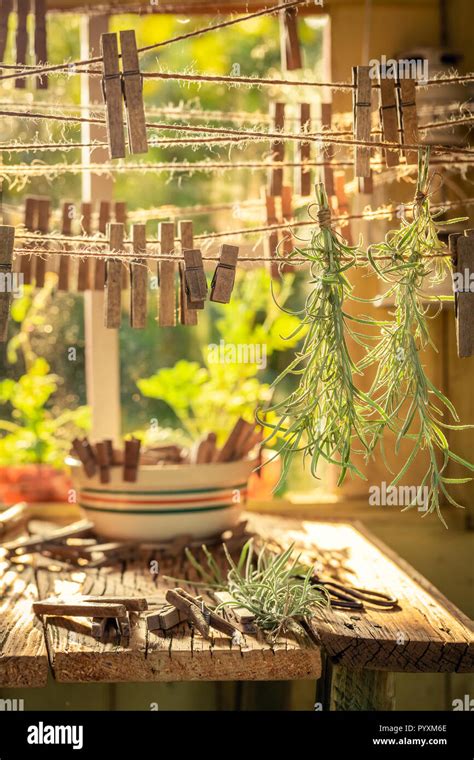
Drying is perhaps the oldest and most straightforward method of herb preservation, ideal for woody herbs with lower moisture content. Herbs like oregano, thyme, rosemary, bay leaves, and sage dry beautifully and intensify in flavor.
Methods for Drying Herbs:
- Air Drying: Bundle small bunches of herbs and hang them upside down in a warm, dry, well-ventilated area away from direct sunlight. This can take 1-3 weeks.
- Oven Drying: For a faster method, spread herbs on a baking sheet lined with parchment paper. Dry at the lowest possible oven temperature (100-180°F or 40-80°C) with the oven door slightly ajar to allow moisture to escape. Check frequently; this can take 2-4 hours.
- Dehydrator: A food dehydrator offers precise temperature control and good air circulation, making it an efficient option for drying various herbs. Follow the manufacturer’s instructions.
Once completely dry and brittle, remove leaves from stems and store them in airtight containers in a cool, dark pantry. Properly dried herbs can last for up to a year.
Freezing: Capturing Peak Freshness
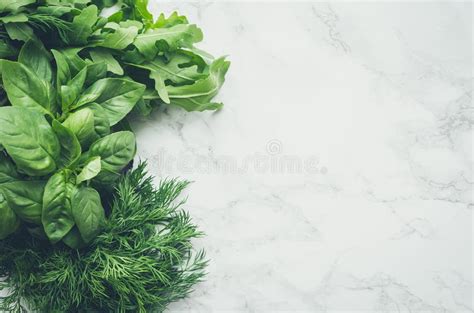
Freezing is excellent for preserving the vibrant color and delicate flavor of tender herbs like basil, parsley, cilantro, chives, mint, and dill. This method helps retain their essential oils, providing a taste closest to fresh.
Methods for Freezing Herbs:
- Oil or Water Cubes: Chop herbs finely and pack them into ice cube trays. Cover with a good quality olive oil or water, then freeze. Once solid, transfer the herb cubes to freezer-safe bags. Pop a cube into soups, stews, sauces, or sautéed dishes.
- Chopped and Bagged: Wash, pat dry, and finely chop herbs. Spread them in a thin layer on a baking sheet to flash freeze for about an hour. Then, transfer the frozen herbs to freezer-safe bags, pressing out as much air as possible. This prevents clumping, allowing you to easily grab a pinch when needed.
- Whole Leaves (Blanched): For herbs like basil, a quick blanch in boiling water followed by an ice bath can help preserve color before freezing whole leaves flat on a baking sheet and then transferring to freezer bags.
Frozen herbs are best used within 6-12 months for optimal flavor.

Infusing Oils and Vinegars for Aromatic Delights
Infused oils and vinegars not only preserve herb flavor but also create versatile culinary ingredients perfect for dressings, marinades, and finishing dishes.
Herb-Infused Oils:
Gently bruise fresh, clean herbs like rosemary, thyme, oregano, or garlic and place them in a clean, dry bottle. Cover completely with a good quality olive oil. Store in the refrigerator and use within 1-2 weeks due to potential botulism risk if not handled properly. For longer storage, consider making larger batches and freezing small portions, or use dried herbs to mitigate moisture issues.
Herb-Infused Vinegars:
Use herbs like tarragon, dill, basil, chives, or rosemary. Fill a clean bottle with fresh, lightly bruised herbs and top with white wine vinegar, apple cider vinegar, or distilled white vinegar. Let it steep in a cool, dark place for 2-4 weeks, then strain out the herbs and bottle the infused vinegar. This is much safer for longer shelf storage than oil infusions.
Beyond Drying and Freezing: Creative Preservation
- Compound Butters: Finely chop fresh herbs (parsley, chives, dill, rosemary, sage) and mix them into softened unsalted butter. Roll the butter into logs using parchment paper or plastic wrap, then freeze. Slice off a coin as needed to melt over vegetables, grilled meats, or toast.
- Pestos and Sauces: While basil pesto is classic, you can make pestos with almost any leafy herb (parsley, cilantro, mint). Blend herbs with nuts, garlic, cheese, and olive oil. Freeze pesto in small containers or ice cube trays for convenient portions.
- Herb Salts: Layer coarse sea salt with finely chopped fresh herbs like rosemary, thyme, or sage in an airtight jar. The salt draws moisture from the herbs, infusing the salt with flavor while preserving the herbs. Let it sit for a week or two, shaking occasionally, then use as a flavorful seasoning.
Tips for Successful Herb Preservation
- Start Fresh: Always use healthy, blemish-free herbs that are free of pests.
- Wash and Dry Thoroughly: Rinse herbs gently and pat them completely dry before preserving, especially for freezing and drying, to prevent spoilage.
- Label and Date: Clearly label all preserved herbs with the herb type and preservation date.
- Proper Storage: Store dried herbs in airtight containers away from light and heat. Frozen herbs should be in freezer-safe bags or containers to prevent freezer burn.

With these methods, you can ensure that the delightful flavors and aromas of your garden herbs are never out of reach. Experiment with different techniques to find what works best for your favorite herbs and culinary needs, transforming your kitchen into a year-round haven of fresh, garden-inspired taste.