Best ways to preserve garden tomatoes for authentic homemade winter sauces?

Savoring Summer: Preserving Your Garden Tomato Bounty
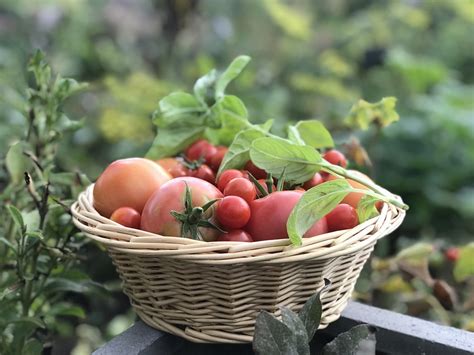
There’s nothing quite like the taste of a sun-ripened garden tomato, bursting with flavor and sweetness. As summer fades, the thought of those vibrant tastes disappearing until next year can be disheartening. However, with a few well-chosen preservation techniques, you can capture that peak summer goodness and enjoy authentic, homemade tomato sauces all winter long. Imagine the rich aroma of your own tomato sauce simmering on a cold January day – it’s a culinary dream made possible by smart preservation.
Preserving your garden tomatoes not only ensures a supply of fresh-tasting ingredients but also allows you to control the quality and ingredients in your sauces, avoiding the added sugars, salts, and preservatives often found in store-bought options. Let’s explore the best ways to keep your harvest vibrant and ready for winter culinary adventures.
Canning: The Timeless Method for Shelf-Stable Goodness
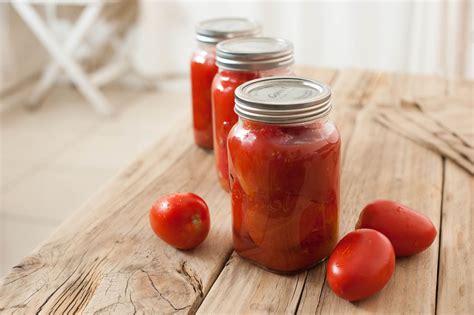
Canning is a classic and reliable method for preserving tomatoes, resulting in shelf-stable jars that are ready to use. This method requires a bit more equipment and attention to detail but offers unparalleled convenience once complete.
Water Bath Canning (for Acidic Tomatoes)
Tomatoes are generally acidic enough for water bath canning, especially when a little lemon juice or citric acid is added to ensure safety. This method is ideal for whole peeled tomatoes, crushed tomatoes, or tomato puree.
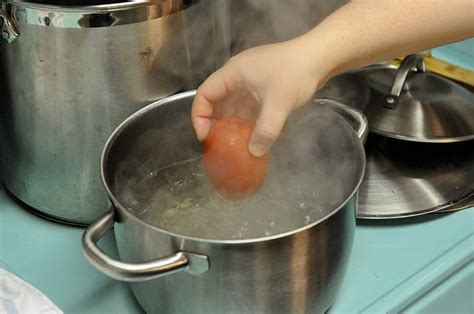
- Preparation: Wash tomatoes, blanch (dip in boiling water for 30-60 seconds, then ice bath) and peel. Core and quarter larger tomatoes.
- Acidification: Add 1 tablespoon bottled lemon juice or 1/4 teaspoon citric acid per pint jar, or 2 tablespoons lemon juice/1/2 teaspoon citric acid per quart jar.
- Packing: Pack tomatoes into hot, sterilized jars, leaving 1/2-inch headspace. You can hot pack (simmer tomatoes first, then pack with their juice) or raw pack (pack raw tomatoes, then add boiling water/juice).
- Processing: Seal jars with lids and rings (finger-tight). Process in a boiling water canner for recommended times (e.g., 85 minutes for quarts of crushed tomatoes).
Pressure Canning (for Low-Acid Preparations)
If you’re making a tomato-vegetable mix or a less acidic sauce base, pressure canning is the safest bet, as it reaches higher temperatures to destroy potential bacteria. Always follow tested recipes from reliable sources like the USDA.
Freezing: The Simplest Path to Preserved Flavor
Freezing is arguably the easiest and most versatile way to preserve garden tomatoes, requiring minimal fuss and preserving a very fresh flavor profile. It’s perfect for when you want quick access to tomatoes for sauces, soups, or stews.
Whole or Halved Tomatoes
For an incredibly simple approach, simply wash and core your tomatoes. You can freeze them whole on a baking sheet until solid, then transfer to freezer bags. When thawed, the skins will slip right off, making them easy to peel and chop for cooking.
Diced or Crushed Tomatoes
For ready-to-use portions, dice or crush your tomatoes after blanching and peeling. Pack them into freezer-safe bags or containers in desired quantities. Air removal is key to preventing freezer burn.
Tomato Puree or Sauce Base
Cook down your tomatoes into a thick puree or an unseasoned sauce base. Cool completely, then freeze in freezer-safe containers or ice cube trays for smaller portions. This method saves time when you’re ready to cook, as the base is already prepared.

Drying: Concentrating Sweetness and Umami
Drying tomatoes concentrates their sugars and flavors, resulting in intensely flavorful additions to sauces, salads, and more. Sun-drying is traditional, but a food dehydrator offers more control.
Dehydrating Tomatoes
Slice tomatoes (roma or paste tomatoes work best) about 1/4-inch thick. Place them on dehydrator trays and dry at 135°F (57°C) for 8-12 hours, or until leathery and pliable, not brittle. Store in airtight containers or vacuum seal.
Roasting and Freezing: A Depth of Flavor
Roasting tomatoes before freezing adds an incredible depth of flavor that’s perfect for rich, authentic winter sauces. The caramelization brings out their natural sweetness and a smoky complexity.
- Preparation: Halve or quarter tomatoes. Toss with a little olive oil, salt, and pepper (optional: garlic, herbs).
- Roasting: Spread on a baking sheet and roast at 375-400°F (190-200°C) until softened and slightly caramelized, about 30-45 minutes.
- Cooling & Freezing: Let cool completely. You can then freeze them whole, or blend them into a roasted tomato puree before freezing in freezer bags or containers.
Essential Tips for Successful Preservation
- Choose Wisely: Use ripe, blemish-free tomatoes. Paste varieties like Roma or San Marzano are excellent for sauces due to their meaty flesh and lower water content.
- Proper Preparation: Blanching and peeling tomatoes is crucial for a smooth sauce. Removing seeds is optional but can reduce bitterness.
- Hygiene is Key: Always sterilize jars and equipment for canning to ensure safety.
- Label Everything: Clearly label containers with the date and contents.
Crafting Your Authentic Winter Sauces
Once your garden tomatoes are preserved, the possibilities are endless. Use your canned whole tomatoes for a rustic marinara, your frozen puree for a smooth passata, your roasted tomatoes for a deeply flavorful arrabbiata, or your dried tomatoes to add a concentrated burst of flavor to any dish. Each method offers a slightly different texture and flavor profile, allowing you to tailor your sauces to your exact preferences.
With a little effort now, you can enjoy the unparalleled taste of homemade tomato sauce, made from the fruits of your own garden, throughout the colder months. Happy preserving!