



Best ways to preserve garden tomatoes without canning?

The bounty of summer garden tomatoes can be overwhelming, yet letting them go to waste feels like a culinary crime. While canning is a traditional method, it’s not the only way to enjoy your harvest year-round. Many excellent alternatives allow you to preserve those juicy, flavorful gems without the special equipment or pressure of canning. Get ready to learn some simple, delicious, and effective techniques to keep your garden’s goodness going.
Freezing Tomatoes: The Easiest Method
Freezing is arguably the simplest and most versatile way to preserve tomatoes without canning. It requires minimal effort and maintains much of the fresh flavor, making it perfect for sauces, soups, and stews later on.
Whole or Halved Freezing
For quick preservation, simply wash your tomatoes, remove the core, and place them whole or halved on a baking sheet lined with parchment paper. Flash freeze until solid, then transfer to freezer-safe bags or containers. This prevents them from sticking together. When ready to use, the skins will slip right off under warm water, making peeling effortless.
Diced or Crushed Freezing
If you prefer a more ready-to-use option, blanch and peel your tomatoes, then dice or crush them. Pack them into freezer bags, removing as much air as possible, or into ice cube trays for smaller portions. Once frozen, transfer cubes to a larger bag. These are perfect for quickly adding to recipes.

Drying Tomatoes for Long-Term Storage
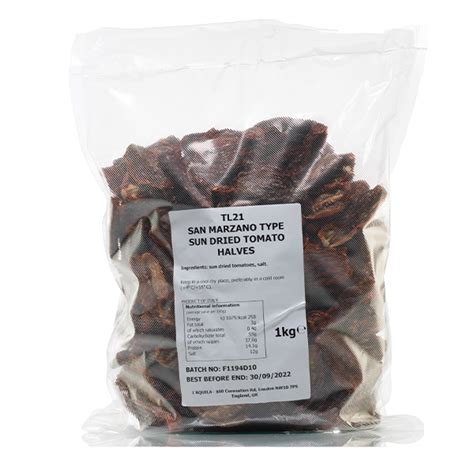
Drying concentrates the tomato’s flavor into intensely sweet and chewy morsels, ideal for salads, pasta dishes, or as a snack. You have a couple of options for achieving perfectly dried tomatoes.
Sun-Drying Tomatoes
If you live in a hot, dry climate, sun-drying is a traditional and energy-efficient method. Slice tomatoes thinly, arrange them on screens, and cover with cheesecloth to protect from insects. Flip them daily until they are leathery and pliable but not brittle (this can take several days to a week). Store in airtight containers, optionally submerged in olive oil.
Dehydrator Drying
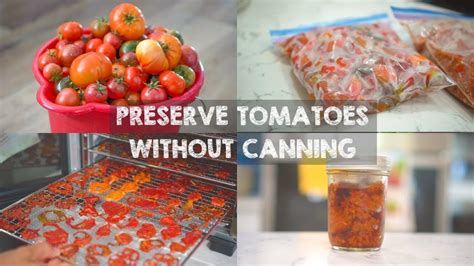
A food dehydrator offers a more controlled environment. Slice tomatoes about 1/4-inch thick and arrange them on dehydrator trays. Follow your dehydrator’s instructions, typically drying at 125-135°F (52-57°C) for 8-12 hours, or until they reach the desired leathery texture. Store in airtight containers.
Transforming Tomatoes into Delicious Bases
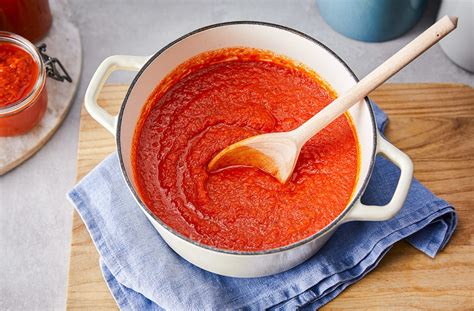
Making and freezing tomato sauces, purees, or pastes is another fantastic way to preserve flavor and convenience for future meals. These pre-made bases save significant time when cooking during busy weekdays.
Roasted Tomato Sauce
Roasting tomatoes before pureeing them adds incredible depth of flavor. Halve tomatoes, toss with olive oil, garlic, and herbs, and roast at a high temperature until softened and slightly caramelized. Puree the roasted tomatoes, season, and then freeze in portions. This makes a rich, ready-to-use sauce.
Homemade Tomato Paste
Reduce pureed tomatoes slowly on the stovetop until they become a thick, concentrated paste. This intense flavor booster can be frozen in small dollops on a baking sheet, then transferred to a freezer bag, or stored in small freezer-safe containers. A little goes a long way!
Other Creative Preservation Techniques
Beyond freezing and drying, there are other inventive ways to extend the life of your tomato harvest, offering unique flavors and textures.
Fermenting Tomatoes
Fermentation introduces beneficial bacteria, creating a tangy, probiotic-rich product. While not for everyone, fermented tomatoes can be a delicious addition to sandwiches or salads. They have a shorter shelf life than frozen or dried options but offer a unique flavor profile. Always ensure proper sanitation and follow reputable recipes for fermentation.
Making Tomato Jam or Chutney
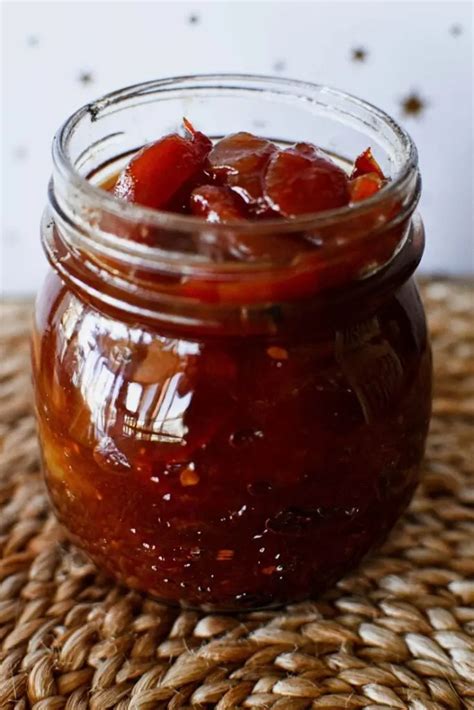
While often associated with canning, many tomato jams and chutneys can be made in small batches and simply frozen. These sweet and savory condiments are excellent with cheeses, grilled meats, or as sandwich spreads. Ensure you use freezer-safe containers and leave headspace for expansion.
Tips for Success with Tomato Preservation
No matter which method you choose, starting with high-quality tomatoes is key. Select ripe, unblemished fruit. Process them as soon as possible after harvesting for the best flavor and texture. Label and date all your preserved items clearly, so you know what you have and when it was made.
Preserving garden tomatoes without canning is an accessible and rewarding endeavor. Experiment with different techniques to find what best suits your kitchen and culinary preferences. You’ll be enjoying the taste of summer sunshine in the depths of winter, all from your own garden’s bounty.