

Best ways to preserve summer garden bounty in recipes?

Embrace the Abundance: Preserving Your Summer Garden
As summer reaches its peak, gardens overflow with a vibrant array of fruits and vegetables. While the joy of fresh produce is unmatched, the sheer volume can sometimes be overwhelming. The good news is that with a few smart preservation techniques, you can capture that sun-kissed flavor and enjoy your garden’s bounty long after the growing season ends. Preserving isn’t just about preventing waste; it’s about extending the culinary possibilities and bringing a taste of summer to your table even in the depths of winter.
Freezing: The Easiest Path to Freshness
Freezing is arguably the simplest and quickest method for preserving most summer produce. It helps retain nutrients and flavor with minimal effort, making it ideal for busy home cooks. From berries to bell peppers, almost anything can be frozen if prepared correctly.
Berries & Fruits
- Method: Wash and dry thoroughly. Spread in a single layer on a baking sheet and flash freeze for a few hours until solid. Transfer to freezer-safe bags or containers. This prevents them from clumping together.
- Recipes: Use frozen berries in smoothies, pies, muffins, compotes, or quick jams.
Vegetables
- Method: Most vegetables benefit from blanching (briefly boiling, then shocking in ice water) before freezing to stop enzyme action and preserve color and texture. Corn kernels, green beans, peas, and broccoli are excellent candidates.
- Recipes: Add blanched, frozen vegetables directly to stir-fries, soups, stews, casseroles, or roasts.
Herbs
- Method: Chop herbs finely and mix with a little olive oil or water. Freeze in ice cube trays. Once solid, transfer to freezer bags.
- Recipes: Pop herb cubes directly into sauces, soups, or sautéed dishes for an instant flavor boost.

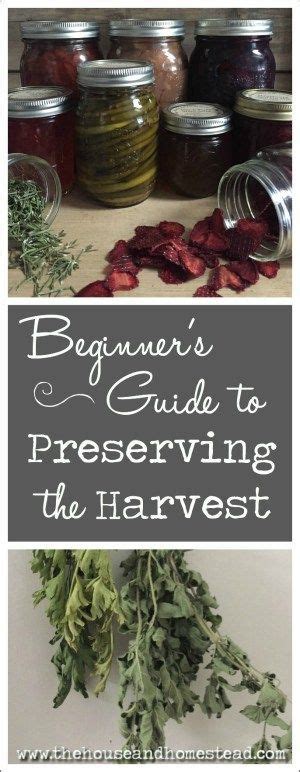
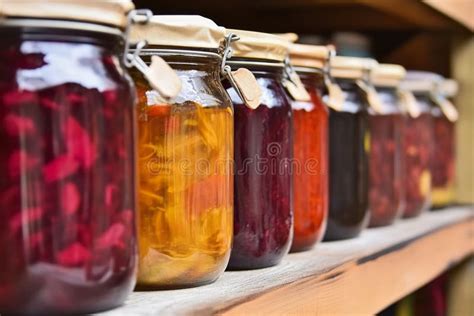
Canning: Jars of Preserved Goodness
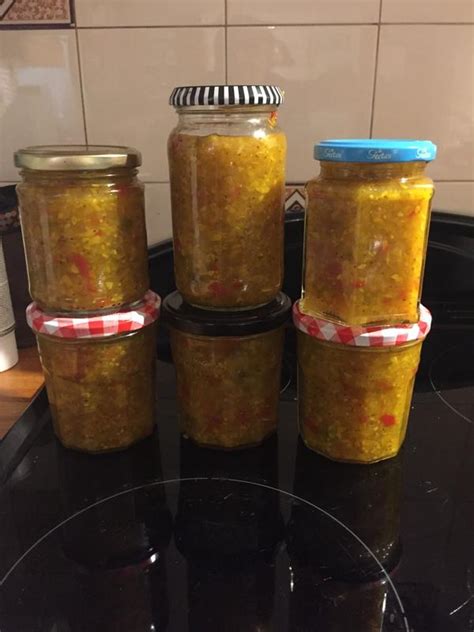
Canning offers shelf-stable solutions, transforming fresh produce into delectable jams, jellies, pickles, and sauces that can last for months or even years. It requires a bit more equipment and attention to safety but yields incredibly rewarding results.
Water Bath Canning (High Acid Foods)
- What to Can: Fruits, jams, jellies, pickles, relishes, and high-acid tomatoes or tomato-based sauces.
- Method: Food is sealed in jars and processed in boiling water for a specific time, creating a vacuum seal that prevents spoilage.
- Recipes: Turn ripe peaches into sweet peach jam, cucumbers into crunchy dill pickles, or tomatoes into a vibrant pasta sauce base.
Pressure Canning (Low Acid Foods)
- What to Can: Non-acidic vegetables (green beans, corn, potatoes), meats, and mixed vegetable soups.
- Method: Requires a pressure canner to reach temperatures high enough to kill spores that thrive in low-acid environments.
- Recipes: Preserve green beans for winter casseroles or make large batches of vegetable soup base.
Drying & Dehydrating: Concentrated Flavor
Drying removes water content, concentrating flavors and nutrients while creating lightweight, shelf-stable ingredients perfect for snacks or recipe enhancements. This can be done with a dehydrator, an oven on low heat, or even direct sunlight.
- Fruits: Make fruit leathers from pureed berries or slice apples, peaches, and plums for dried fruit snacks.
- Vegetables: Sun-dried tomatoes (or oven-dried) are excellent in pasta dishes, salads, or pestos. Dried zucchini chips or kale chips make healthy snacks.
- Herbs: Drying herbs like oregano, thyme, and mint intensifies their flavor, making them perfect for spice blends or winter cooking.
Fermentation & Pickling: Tangy Delights
Fermentation and pickling not only preserve food but also introduce unique tangy flavors and beneficial probiotics (in fermentation). These methods are fantastic for vegetables.
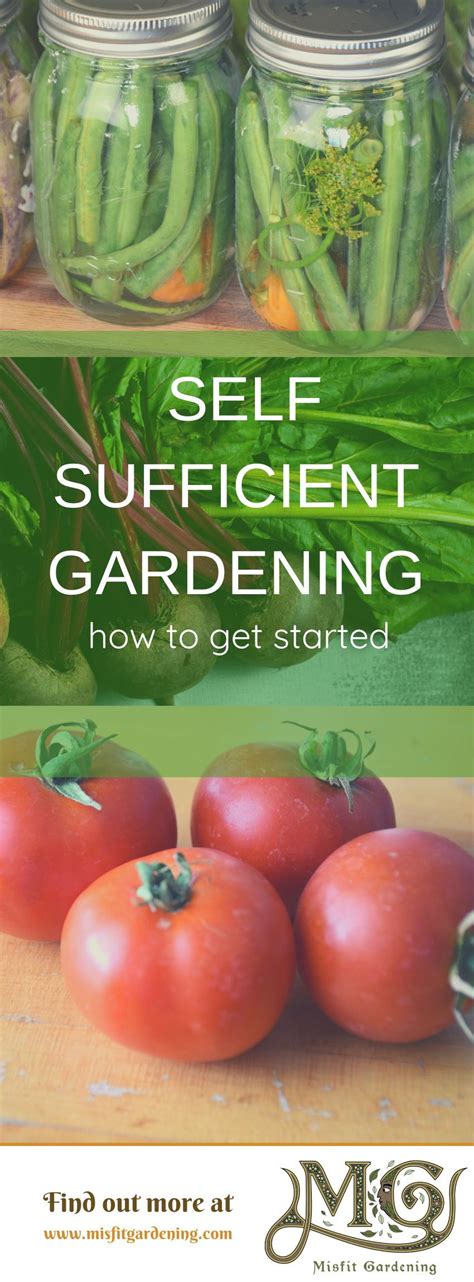
- Pickling: Using a vinegar brine, you can quickly turn cucumbers into quick pickles, or preserve bell peppers, onions, and carrots.
- Fermentation: Create sauerkraut from cabbage, kimchi, or lacto-fermented dill pickles. These living foods offer complex flavors and gut-healthy benefits.
- Recipes: Use fermented vegetables as a side dish, topping for sandwiches, or an ingredient in salads. Pickled items brighten heavy meals.
Creative Culinary Uses for Your Preserved Bounty
Once you’ve preserved your garden’s treasures, the fun really begins by incorporating them into your daily cooking. Thinking ahead can maximize your efforts:
- Meal Prep Power: Use frozen vegetables as ready-to-go components for weeknight meals.
- Flavor Boosters: Add preserved herbs, sun-dried tomatoes, or pickled jalapeños to elevate any dish.
- Homemade Gifts: Jars of homemade jam, salsa, or pickled treats make thoughtful and delicious gifts.
- Winter Warmers: Utilize canned tomatoes or pressure-canned vegetables as bases for hearty soups and stews.
Preserving your summer garden bounty is a rewarding endeavor that connects you more deeply with your food and the seasons. It’s an investment in future meals, ensuring that even when winter’s chill sets in, the vibrant flavors of summer are never far from your plate.