Best ways to scale homemade jam recipes for small batches or large yields?

Making homemade jam is a rewarding endeavor, but often recipes are written for a specific yield that might not match your needs. Whether you’re experimenting with a new flavor and want a small batch, or you’ve got an abundance of fruit and need to produce a large yield for gifting or storing, scaling a jam recipe successfully requires a nuanced understanding of its core components.
Understanding the Science of Jam Making
Before you can effectively scale a recipe, it’s crucial to grasp the science behind jam. Jam relies on a delicate balance of four key elements: fruit, sugar, acid, and pectin. When heated, these elements interact to create the desired gelled consistency.
- Fruit: Provides flavor, natural pectin (in varying amounts), and acid.
- Sugar: Acts as a preservative, enhances flavor, and aids in the gelling process by drawing water from the pectin.
- Pectin: The gelling agent. Some fruits are naturally high in pectin (apples, citrus, cranberries), while others are low (strawberries, peaches). Added pectin often compensates for low-pectin fruits or ensures a consistent set.
- Acid: Essential for pectin to form a gel. It also brightens flavor and helps prevent crystallization.
Scaling Down: Small Batch Jam Making
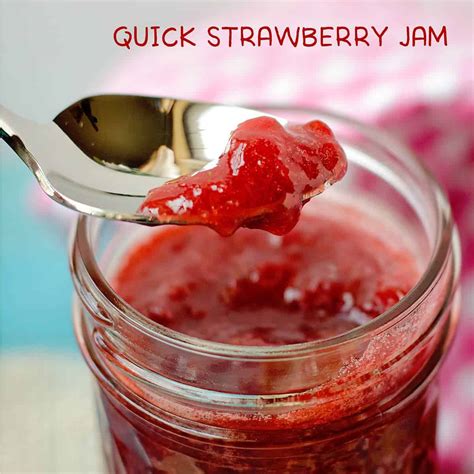
Small batch jams are perfect for trying out new flavor combinations, using a modest amount of fruit, or when you just want a quick treat without the commitment of a large canning project. However, simply halving or quartering a recipe isn’t always foolproof.
Tips for Success with Small Batches:
- Accurate Measurement is Key: Even small errors in measurement can significantly impact the final texture. Use a digital kitchen scale for precise fruit and sugar weights, and measuring spoons for pectin and acid.
- Watch Your Cook Time: Small batches heat up and cook down much faster. Pay close attention to the setting point. Overcooking can lead to a stiff, gummy jam, while undercooking results in a runny one.
- Use Appropriate Equipment: A wider, shallower pot is often better for small batches as it allows for quicker evaporation and faster cooking, reducing the risk of overcooking the fruit.
- Pectin Considerations: If using commercial pectin, follow the package instructions for small batches, as the ratios can be sensitive. For natural pectin jams, be mindful that the natural pectin content of fruit can vary.
Scaling Up: Large Yield Jam Making
Scaling up a jam recipe can be challenging but highly rewarding, especially during peak harvest seasons. It requires careful planning and robust equipment.
Considerations for Large Yields:
- Large Pot or Kettle: You’ll need a very large, heavy-bottomed pot to prevent scorching and ensure even heat distribution. Ensure it’s wide enough for ample surface area evaporation.
- Stirring and Heat Distribution: With a larger volume, thorough and constant stirring is crucial to prevent burning on the bottom. Heat distribution can be less even, so manage your stove’s heat carefully.
- Pectin Adjustment: This is often the trickiest part. While fruit and sugar ratios can typically be scaled linearly, the amount of added pectin might not scale perfectly. Sometimes, a slightly higher proportion of pectin might be needed to compensate for the longer cooking time or larger volume affecting the pectin’s efficacy. Always refer to commercial pectin instructions for maximum batch sizes.
- Setting Point Check: Testing the setting point becomes even more critical. Use a cold plate test or a candy thermometer (aiming for 220°F / 104°C at sea level for most jams).
- Sterilization and Canning: For large batches, ensure you have enough sterilized jars and lids ready. A water bath canner is essential for proper sealing and shelf stability.

Critical Considerations for Successful Scaling
Pectin Management
Understanding your fruit’s natural pectin content is vital. If your fruit is low in pectin, you will need to add commercial pectin. When scaling, always check the specific instructions on your pectin package, as some are formulated for specific batch sizes and direct scaling might not work.
Acid Balance
Acid is critical for activating pectin and setting the jam. If you’re scaling a recipe, ensure the acid level remains appropriate. For fruits low in acid, adding lemon juice or citric acid is common. A good rule of thumb is 1-2 tablespoons of lemon juice per pound of fruit, adjustable to taste and fruit acidity.
Accurate Measurement
As mentioned, precision is paramount. Use a digital scale for solids (fruit, sugar) and liquid measuring cups for liquids (water, lemon juice). Consistency in measurement translates to consistent results, regardless of batch size.
Cooking Times and Temperature
Cooking time is directly related to the volume of ingredients and the surface area of your pot. Small batches cook faster; large batches take longer. Instead of relying solely on time, focus on visual cues and temperature (e.g., reaching the gel point of 220°F / 104°C).
Tools and Equipment for Scaling
- Digital Kitchen Scale: Indispensable for accurate measurements.
- Large, Heavy-Bottomed Pot: Essential for large batches to prevent scorching.
- Candy Thermometer: For precise temperature monitoring to hit the gel point.
- Wide-Mouth Funnel: Helps prevent spills when filling jars.
- Jar Lifter and Canning Rack: For safe handling of hot jars during water bath canning.

Troubleshooting Common Scaling Issues
- Jam is Too Runny: Likely undercooked or insufficient pectin/acid. You can re-cook, adding a bit more pectin or lemon juice, ensuring it reaches the correct setting temperature.
- Jam is Too Stiff: Overcooked or too much pectin. This is harder to fix, but can sometimes be thinned by reheating with a small amount of fruit juice or water, though it may alter flavor.
- Burned Spots: Uneven heat distribution or insufficient stirring, especially common in large batches. Use a heavier pot and stir more frequently.
Conclusion
Scaling homemade jam recipes, whether up or down, is an art that combines precise measurement with an understanding of the underlying science. By paying close attention to the roles of fruit, sugar, pectin, and acid, and by adjusting your cooking methods and equipment accordingly, you can confidently create delicious preserves in any quantity. Don’t be afraid to experiment, keep detailed notes on your adjustments, and soon you’ll be a master of jam scaling.