



Best ways to substitute fresh garden produce in classic homemade recipes?

Embracing Flexibility: Why Substitute Fresh Garden Produce?
While the joy of cooking with vibrant, fresh garden produce is unparalleled, sometimes it’s not available. Whether it’s out of season, too expensive, or you simply don’t have it on hand, knowing how to cleverly substitute ingredients is a cornerstone of resourceful home cooking. This guide will help you keep your favorite classic recipes on the menu, adapting them with delicious and practical alternatives.
Understanding the Role of Your Produce
Before swapping, consider what the original produce contributes to the dish. Is it primarily for flavor (like herbs or pungent onions), texture (crunchy celery, creamy avocado), color (bell peppers, carrots), or moisture (tomatoes, zucchini)? A successful substitution aims to replicate these key characteristics as closely as possible, or at least provide a complementary element.
Smart Swaps: Common Produce Categories
Leafy Greens: Beyond Spinach and Kale
For recipes calling for spinach, kale, or Swiss chard, you have several options. Frozen spinach (thawed and squeezed dry) is an excellent direct substitute, especially in cooked dishes like casseroles, quiches, or sauces. Arugula can stand in for a peppery bite, while even finely shredded cabbage or lettuce can work in some applications where volume and a mild green flavor are needed. Don’t overlook mustard greens or beet greens if you have them.
Root Vegetables: Versatile Workhorses
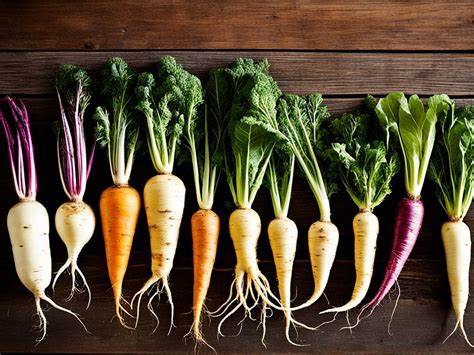
Carrots, potatoes, parsnips, and sweet potatoes are often interchangeable to some degree. For sweetness and color, substitute carrots with sweet potatoes or butternut squash. White potatoes can be swapped for other starchy vegetables like parsnips or rutabaga, keeping in mind slight flavor differences. For crunch in salads or coleslaws, jicama or even firm apples can offer a similar texture to carrots or daikon radish.
Fruiting Vegetables: From Tomatoes to Zucchini
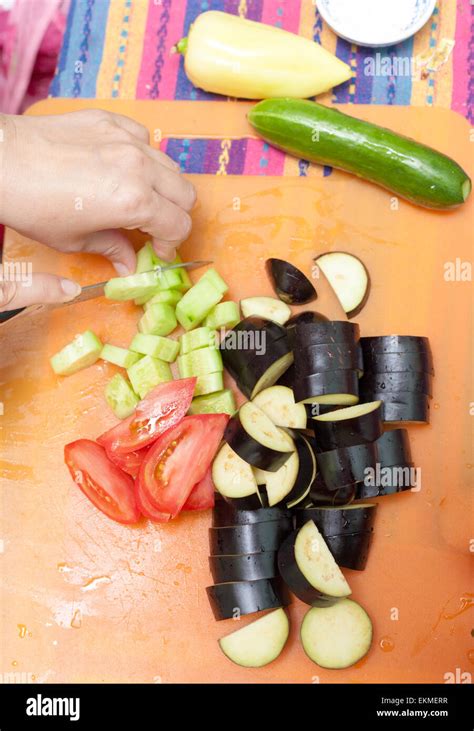
Tomatoes are foundational in many cuisines. Canned diced tomatoes, crushed tomatoes, or tomato paste are perfect stand-ins for fresh tomatoes in cooked sauces and stews. For fresh slices, consider bell peppers or even cucumbers for texture, though the flavor profile will shift significantly. Zucchini can often be replaced by yellow squash, eggplant (especially in baked dishes), or even hearty mushrooms for moisture and bulk.
Herbs: Fresh vs. Dried and Beyond
The general rule of thumb is 1 tablespoon fresh herbs equals 1 teaspoon dried herbs, but this varies. For delicate herbs like parsley or cilantro, dried versions are less effective; consider freezing fresh herbs in olive oil or water for later use. For robust herbs like oregano, thyme, or rosemary, dried versions work very well. If you’re out of a specific herb, consider a spice blend that shares similar flavor notes, like Italian seasoning for oregano and basil.

Pantry Power: Canned, Frozen, and Dried Alternatives
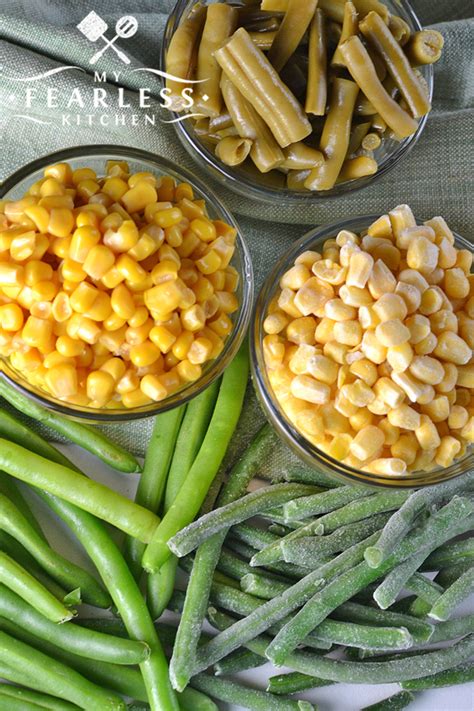
Your pantry and freezer are treasure troves for produce substitutes. Frozen vegetables (peas, corn, green beans, mixed veggies) are often flash-frozen at peak ripeness, retaining most nutrients and flavor, making them ideal for casseroles, soups, and stir-fries. Canned vegetables (corn, beans, tomatoes, mushrooms) are incredibly convenient; just be sure to rinse them to reduce sodium if desired. Dried mushrooms, bell peppers, or even onions can be rehydrated and add concentrated flavor.
Tips for Successful Substitutions
- Consider Texture: Will the substitute hold up to the cooking method? Will it become too mushy or remain too firm?
- Match Flavors: Try to match the flavor profile (sweet, bitter, earthy, pungent). If you can’t, ensure the new flavor complements the dish.
- Adjust Cooking Times: Different vegetables cook at different rates. Monitor your dish and adjust accordingly.
- Mind Moisture Content: Some substitutes release more water (e.g., fresh mushrooms for zucchini), while others are drier. Adjust liquid as needed.
- Season Liberally: Taste and adjust seasonings. Sometimes a substitute needs a little extra help to shine.
- Don’t Be Afraid to Experiment: The best way to learn is by trying! Start with small batches if unsure.

Conclusion: Culinary Creativity Unleashed
Mastering the art of produce substitution not only saves trips to the grocery store but also opens up a world of culinary creativity. By understanding the core characteristics of your ingredients and having a well-stocked pantry, you can confidently tackle any recipe, adapting it to what you have on hand and discovering new favorite flavor combinations along the way. Happy cooking!