Best ways to teach kids homesteading skills joyfully?

Cultivating Little Homesteader Hearts with Joy
Homesteading isn’t just about self-sufficiency; it’s a lifestyle rich with learning, connection, and a deep appreciation for the natural world. Introducing children to these valuable skills can be incredibly rewarding, especially when done in a way that sparks their curiosity and joy. Forget chores; think adventures! The key is to make every activity an opportunity for discovery, tailored to their age and interests.
By transforming tasks into games and inviting children to be active participants rather than just observers, we can instill a lifelong love for growing, making, and living sustainably. Let’s explore some of the best ways to bring homesteading to life for kids, ensuring smiles and meaningful lessons along the way.
The Magic of the Garden: From Seed to Supper
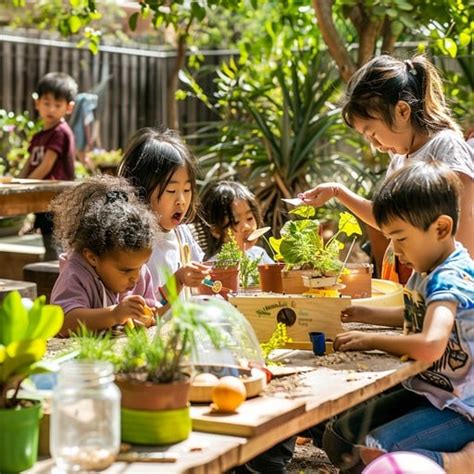
Gardening is perhaps the most accessible and foundational homesteading skill. For kids, it’s pure magic. Start with easy-to-grow, fast-maturing plants like radishes, snap peas, cherry tomatoes, or sunflowers. Give them their own small patch or a few pots to be entirely responsible for. Let them choose what they want to grow from a seed catalog, empowering them from the start.
- Seed Planting Adventures: Turn planting into a treasure hunt. Bury seeds and watch the ‘treasure’ grow. Explain what a seed needs – sun, water, soil – in simple terms.
- Watering Wonders: Provide a child-sized watering can and let them help. This simple act connects them directly to the plant’s survival.
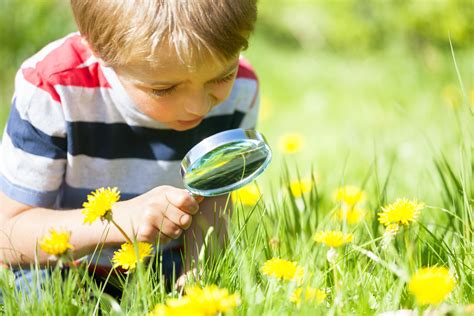
- Bug Safaris: Teach them about beneficial insects (ladybugs!) and garden pests. A magnifying glass can turn a chore into a scientific expedition.
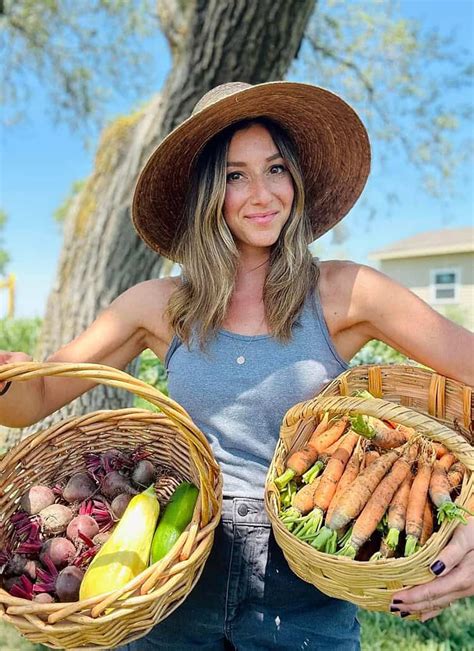
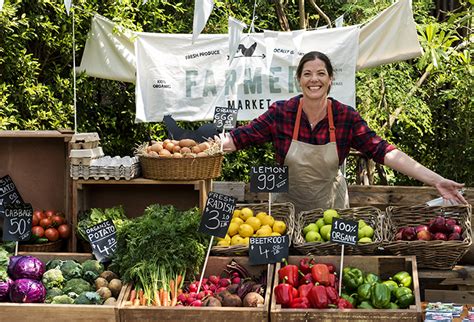
- Harvest Celebrations: The ultimate reward! Let them pick what they grew and participate in preparing a meal with it. The pride of eating their own harvest is unparalleled.
Animal Encounters: Nurturing and Responsibility
If your homestead includes animals, they offer incredible lessons in responsibility, empathy, and the circle of life. Even small animals like chickens or rabbits can teach profound skills.
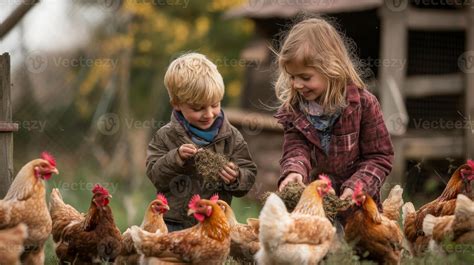
Involve kids in age-appropriate tasks: collecting eggs, refilling waterers, or helping to mix feed. Explain why these tasks are important for the animals’ well-being. Let them observe the animals’ behaviors and ask questions. A visit to a local farm or petting zoo can also spark interest if you don’t have animals at home.
Kitchen Crafting: Cooking, Baking, and Preserving
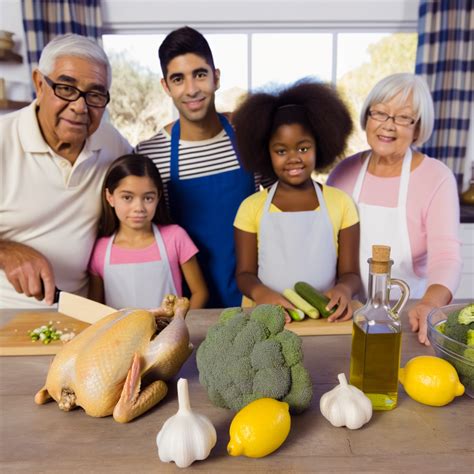
The kitchen is a fantastic classroom for homesteading skills. From baking bread to making jam, kids can learn about food preparation, nutrition, and food preservation.
- Baking Basics: Simple recipes like bread, muffins, or cookies teach measuring, mixing, and the science of baking. Let them knead dough – it’s a wonderful sensory experience!
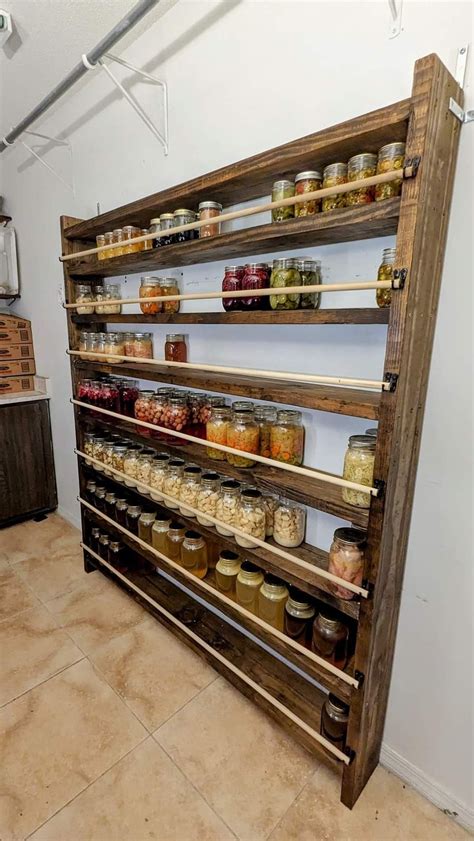
- Preserving the Harvest: Involve them in making applesauce, canning pickles, or drying herbs. Explain how these methods help us enjoy food year-round.
- From Scratch Meals: Encourage them to help plan and prepare meals using ingredients from the garden. This closes the loop from planting to plate.

DIY Projects and Repair Skills: Building Confidence
Homesteading often involves fixing things, building, and creating. Simple DIY projects can teach valuable practical skills and boost a child’s confidence.
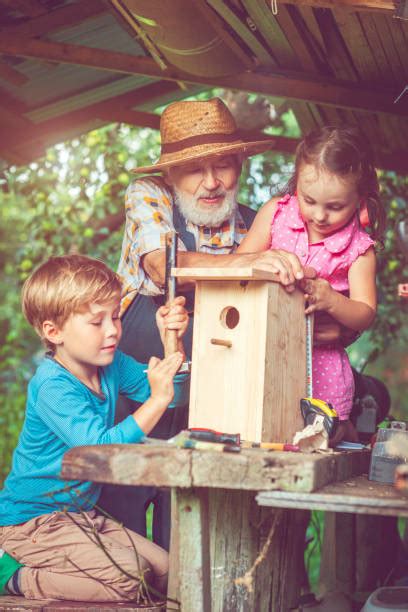
Start with easy woodworking projects using real tools (under strict supervision), like building a birdhouse or a simple wooden toy. Teach them about basic tool safety and the satisfaction of making something with their own hands. Mending clothes, fixing a leaky faucet (with help), or even learning how to tie useful knots are all practical skills that build independence.
Nature Exploration and Foraging Fundamentals
A deep connection to nature is at the heart of homesteading. Encourage kids to explore their surroundings, learn about local flora and fauna, and understand natural cycles.
- Nature Walks: Identify trees, plants, birds, and animal tracks. Bring a sketchbook or camera.
- Safe Foraging: Teach them to identify common edible wild plants (like dandelion or berries) or mushrooms, always emphasizing safety and never eating anything without adult confirmation.
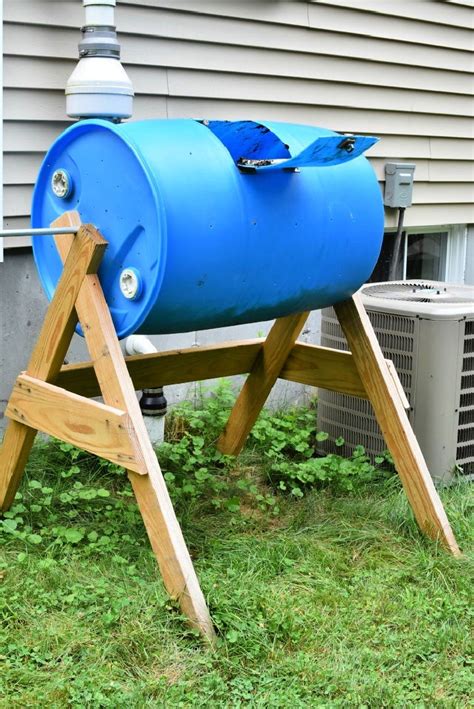
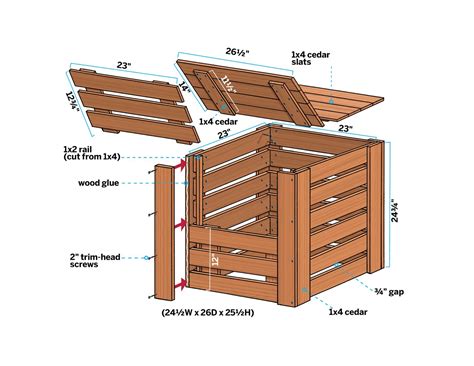
- Composting Crew: Turn kitchen scraps into garden gold. Kids love shoveling and turning the compost pile, understanding how waste can become new life.
Making it Joyful: Tips for Success
- Lead by Example: Show your own enthusiasm for homesteading tasks.
- Keep it Age-Appropriate: Break down tasks into small, manageable steps.
- Embrace Imperfection: It’s about learning and trying, not perfection.
- Celebrate Efforts: Acknowledge their contributions, no matter how small.
- Tell Stories: Connect tasks to stories about where food comes from or how things used to be done.
- Flexibility is Key: If they’re not interested in one activity, try another. Keep it fun!
Teaching kids homesteading skills joyfully is an investment in their future, equipping them with practical abilities, a resilient spirit, and a profound respect for the world around them. It’s about planting seeds not just in the garden, but in their hearts and minds, watching them grow into capable, compassionate, and independent individuals.