
Best ways to teach kids homesteading skills, like canning or gardening?

In an increasingly digital world, teaching children practical life skills rooted in self-sufficiency can provide a valuable foundation for their future. Homesteading, once a necessity, is now a powerful way to connect kids with where their food comes from, the value of hard work, and the satisfaction of creating with their own hands. But how do you make tasks like canning or gardening engaging for young minds?
Start Small and Make it Fun
The key to introducing homesteading skills to children is to keep it age-appropriate, hands-on, and enjoyable. For very young children, this might mean simply helping to water plants or stir ingredients. As they grow, tasks can become more complex. Frame activities as adventures or experiments rather than chores. Let them choose what to plant, what flavor of jam to make, or what color eggs they want to collect.
Gardening: From Seed to Table
The Joy of Growing
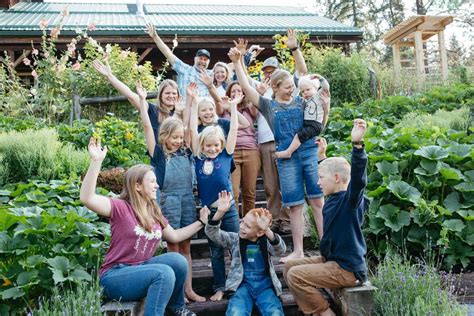
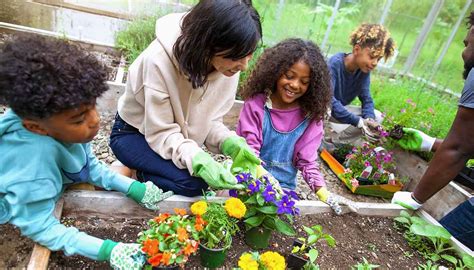
Gardening is often the gateway to homesteading. Start with easy-to-grow plants that yield quick results, like radishes, cherry tomatoes, snap peas, or sunflowers. Give each child their own small plot or container to tend. Let them handle seeds, dig in the dirt, and watch the plants sprout and grow. Explain the importance of sun, water, and good soil.
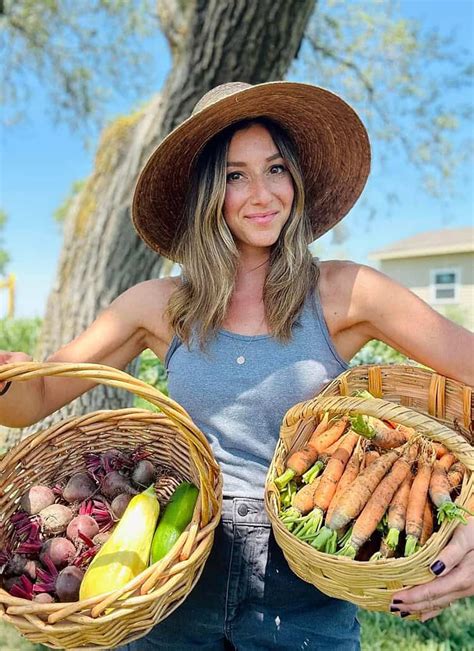
Involve them in every step: planning the garden layout, planting seeds or seedlings, weeding, watering, and eventually harvesting. The act of pulling a carrot from the ground that they helped grow is an incredibly rewarding experience that fosters appreciation for food.

Canning and Food Preservation: A Taste of Independence
Preserving the Harvest Safely
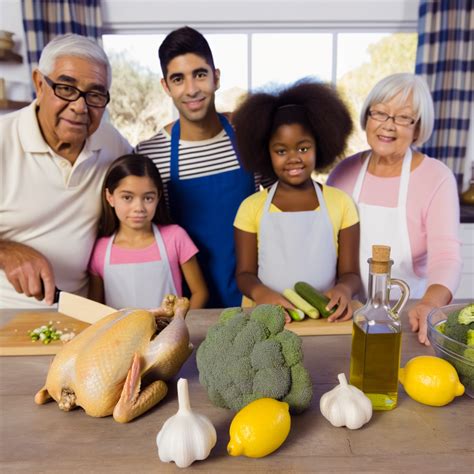
Canning might seem daunting for kids, but there are many ways they can safely participate. For younger children, this could involve washing produce, peeling vegetables (with supervision), mashing berries for jam, or labeling jars. Older children can learn to measure ingredients accurately, pack jars, and understand the science behind food preservation.
Always prioritize safety, especially when dealing with hot liquids and sharp tools. Explain the ‘why’ behind each step – why jars need to be sterilized, why lids need to seal properly, and why specific recipes must be followed. Making jam, pickles, or applesauce together turns a practical skill into a cherished family tradition.

Beyond the Garden: Animal Care and Resourcefulness
Caring for Critters
If feasible, introduce children to animal care. Even owning backyard chickens can teach responsibility, empathy, and the origins of everyday foods. Kids can help collect eggs, refill waterers, or scatter feed. Discuss the importance of humane treatment and understanding animal needs.
DIY and Mending Skills
Homesteading also encompasses resourcefulness. Teach kids basic mending skills like sewing on a button, patching a hole, or simple woodworking. Involve them in small household repairs, explaining how things work and how to fix them. These practical skills build confidence and a sense of self-reliance.

Cultivating a Lifestyle
Teaching homesteading skills isn’t just about chores; it’s about instilling values. It teaches patience, resilience, problem-solving, and a deep respect for nature and resources. It fosters a connection to the land and a sense of accomplishment that comes from working with your hands.
By integrating these activities into family life, you’re not just passing on skills; you’re cultivating a lifestyle of sustainability, independence, and conscious living that will benefit your children for years to come.