Best ways to teach kids practical homestead skills & kitchen independence?

Teaching children practical homestead skills and fostering kitchen independence is more than just passing on chores; it’s about instilling a profound sense of self-sufficiency, responsibility, and connection to the natural world. In an increasingly digital age, these hands-on abilities build resilience, creativity, and a foundational understanding of where food comes from and how a home truly functions.
Cultivating Green Thumbs: Homestead Skills for Young Hands
Getting kids involved in homesteading activities can start remarkably early. From toddlers helping to water plants to older children assisting with garden planning, every step builds confidence and knowledge.
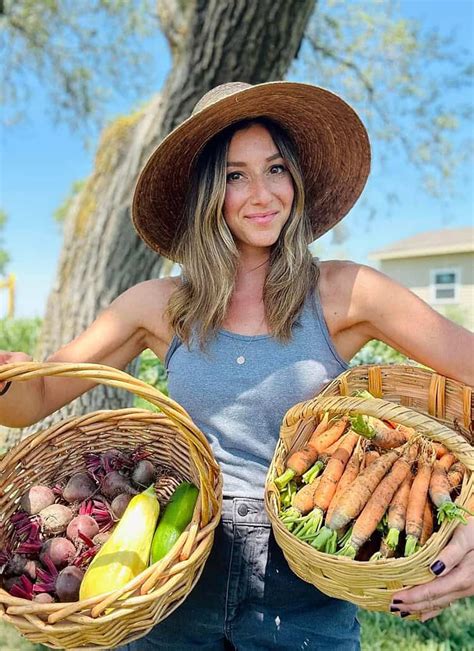
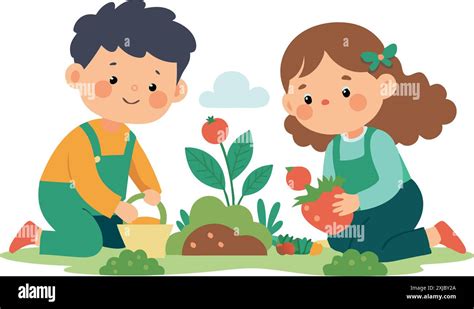
- Gardening and Food Production: Assign them their own small plot or a few containers to tend. Teach them about soil health, planting seeds, weeding, and harvesting. Even basic composting can be a fascinating science lesson.
- Animal Care Basics: If you have backyard chickens or other small livestock, involve them in feeding, collecting eggs, and cleaning. For those without animals, nature observation, identifying local wildlife, and understanding ecosystems are valuable alternatives.
- Simple Home Maintenance: Introduce basic tools and safety. Let them help with small repairs, sweeping, raking leaves, or painting a fence. These tasks develop fine motor skills and a sense of contribution.
From Pantry to Plate: Empowering Kitchen Independence
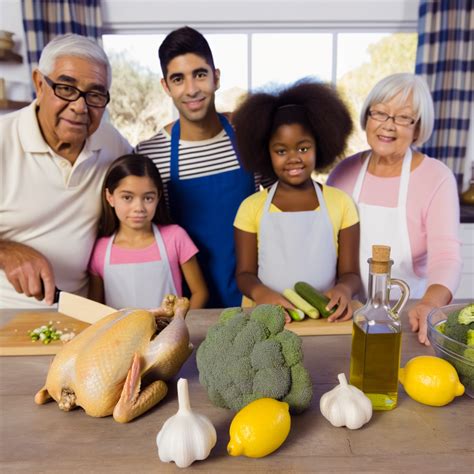
The kitchen is a fantastic classroom for life skills, math, science, and creativity. Enabling children to become capable in the kitchen provides them with essential skills for healthy living and lifelong confidence.

- Age-Appropriate Cooking & Baking:
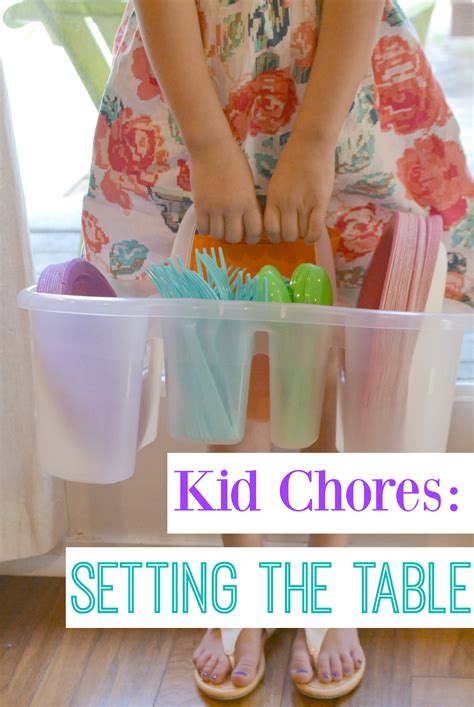
- Toddlers & Preschoolers: Washing vegetables, stirring ingredients, tearing lettuce, setting the table.
- Early Elementary: Measuring ingredients, kneading dough, cracking eggs, using simple kitchen tools with supervision.
- Older Children: Following recipes, basic knife skills (with supervision), preparing simple meals, baking bread or cookies from scratch.
- Food Preservation Basics: Involve them in simpler preservation methods like making jam, dehydrating fruit, or even just freezing excess produce from the garden. This teaches about seasonality and reducing waste.
- Meal Planning & Shopping: Let them help create shopping lists, compare prices, and understand nutritional labels. This fosters healthy eating habits and financial literacy.

Making Learning Engaging and Fun
The key to success is making these experiences enjoyable and integrated into family life, rather than seeing them as chores.
- Lead by Example: Kids are natural imitators. Show enthusiasm for your own homesteading and cooking endeavors.
- Start Small and Be Patient: Don’t expect perfection. Begin with simple tasks and gradually increase complexity. Patience and positive reinforcement go a long way.
- Turn Tasks into Games: “Who can find the ripest tomato?” or “Let’s see who can knead the dough the smoothest.”
- Embrace Mistakes: Spills happen, recipes flop. Use these as learning opportunities rather than reasons for discouragement.

Benefits Beyond the Basics
Teaching these skills offers advantages far beyond just getting tasks done. Children develop:
- Responsibility and Confidence: Successfully completing a task builds self-esteem.
- Problem-Solving Skills: From fixing a wobbly fence post to adjusting a recipe, practical tasks require critical thinking.
- Connection to Nature and Food: A deeper appreciation for where their food comes from and the effort involved.
- Family Bonding: Working together on projects creates lasting memories and strengthens family ties.

Empowering children with practical homestead skills and kitchen independence is an investment in their future. It equips them with invaluable life skills, fosters a sense of purpose, and strengthens family bonds, preparing them to be resourceful, confident, and engaged individuals.