Budget-friendly, predator-proof chicken coop designs?

Why Predator-Proofing is Paramount for Your Flock
Owning backyard chickens is a rewarding experience, but the joy can quickly turn to heartbreak if your flock falls victim to predators. From sneaky raccoons and swift foxes to determined weasels and opportunistic birds of prey, a chicken’s life can be a constant battle for survival. Building a coop that’s not just a shelter but a fortress is non-negotiable. The good news is that achieving robust predator protection doesn’t have to cost a fortune. With smart design choices and resourceful material sourcing, you can create a safe haven for your birds on a budget.
The key lies in understanding common predator behaviors and weaknesses, then designing defenses that exploit them. This article will guide you through essential predator-proofing techniques and highlight budget-friendly design ideas to keep your chickens safe and sound.

Essential Principles of Predator-Proof Coop Construction
Before diving into specific designs, it’s crucial to grasp the fundamental elements of a truly predator-proof coop. Skimping on these can negate all other efforts.
1. Hardware Cloth, Not Chicken Wire
This is arguably the most critical distinction. Chicken wire is designed to keep chickens in, not predators out. Raccoons can tear through it, and determined predators can chew through or bend it. Opt for 1/2-inch galvanized hardware cloth, which is significantly stronger and more resistant to chewing and tearing. Secure it with screws and washers, not just staples.
2. The Buried Apron or Skirt
Many ground-dwelling predators, like foxes and raccoons, will try to dig under the coop walls. To prevent this, extend your hardware cloth horizontally outwards from the base of the coop for at least 12-18 inches, and bury it. This creates an apron that predators hit as they try to dig, deterring them. Alternatively, you can bury the hardware cloth vertically deep into the ground (12-18 inches).
3. Secure Latches and Doors
Simple hooks or gravity latches are no match for a clever raccoon. Invest in predator-resistant latches, such as barrel bolts with a carabiner clip, or a two-step latch system that requires multiple actions to open. Ensure all doors and windows fit snugly and have no gaps.
4. Robust Roof and Walls
While often overlooked, aerial predators like hawks and owls can be a threat, and climbing predators can access an open roof. Ensure your run is fully enclosed, including a strong roof made of hardware cloth, polycarbonate, or corrugated metal. Walls should be sturdy, free of rot, and without holes or weak points.

Budget-Friendly Design Ideas and Material Sourcing
Building a secure coop doesn’t mean buying everything new. Resourcefulness is your best friend when on a budget.
Repurposed Materials: Your Wallet’s Best Friend
- Pallets: Free and abundant, pallets can be deconstructed for lumber or used as whole sections for walls and flooring. Just ensure they are untreated (HT stamped for heat-treated is good, MB for methyl bromide is not).
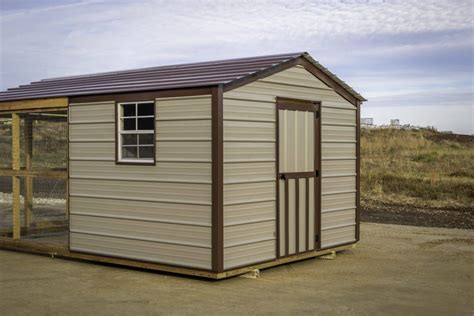
- Old Sheds or Playhouses: A small, dilapidated shed or child’s playhouse can be a fantastic base. With some modifications, hardware cloth, and a fresh coat of paint, it can transform into a secure coop.
- Freecycle & Craigslist: Keep an eye out for free or cheap building materials. People often give away lumber scraps, old fencing, or even entire chicken coops they no longer need.
- Local Lumber Mills: Sometimes you can get ‘reject’ lumber or offcuts for significantly reduced prices.
Simple, Effective Designs
Complex designs often mean more materials and labor. Simple rectangular or A-frame coops are easier to build, stronger, and more cost-effective.
The A-Frame Coop
An A-frame design uses less material for the roof and walls compared to a traditional box shape, and its sloped sides can deter climbing predators. It’s often combined with a small attached run.

The Tractor Coop (Mobile Coop)
While not strictly ‘predator-proof’ in the static sense, a tractor coop allows you to move your flock to fresh grass regularly. When properly secured at night, and if the perimeter is strong, it offers good protection. The mobility means predators can’t easily establish a digging pattern around it. Use heavy-duty wheels and secure latches, and ensure the entire base is enclosed with hardware cloth.
Upcycled Playhouse or Shed Coop
As mentioned, a pre-existing structure saves immensely on framing and siding. Focus your budget on upgrading its security: replacing windows with hardware cloth, reinforcing doors, and adding that crucial buried apron.
Beyond the Structure: Additional Security Measures
Even the best coop can benefit from additional layers of security:
- Automatic Coop Doors: These can be programmed to open and close with the sun, ensuring your chickens are safely locked away even if you’re not home at dusk.
- Motion-Activated Lights: A sudden burst of light can startle and deter nocturnal predators.
- Electric Fencing: For persistent digging predators, a single strand of electric poultry netting around the perimeter of your run can be a powerful deterrent.
- Clear Around the Coop: Keep the area around the coop clear of dense bushes or debris where predators might hide.

Conclusion: A Safe Flock is a Happy Flock
Building a budget-friendly, predator-proof chicken coop is an achievable goal for any dedicated chicken keeper. By prioritizing strong materials like hardware cloth, implementing a buried apron, securing all entry points with robust latches, and making smart choices about materials and design, you can construct a fortress for your feathered friends. Remember, vigilance and regular inspections of your coop for any signs of weakness are just as important as the initial build. Invest your time and effort wisely, and your flock will reward you with fresh eggs and peace of mind for years to come.