Budget-friendly, rot-resistant wood choices for DIY raised garden beds?

Building Lasting Raised Beds on a Budget
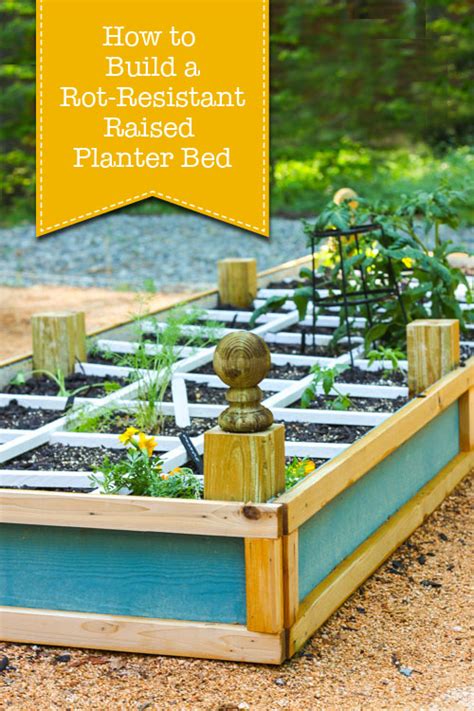
Creating your own raised garden beds is a rewarding DIY project, offering benefits from better soil control to easier access. However, one of the biggest challenges is selecting the right wood – lumber that can withstand constant contact with moist soil without quickly rotting away, all while staying within your budget. Making an informed choice now can save you significant time and money on future repairs or replacements.
Why Wood Choice Matters for Longevity
The success and lifespan of your raised beds hinge largely on the type of wood you choose. Wood in contact with soil and moisture is highly susceptible to decay, fungal growth, and insect damage. Opting for naturally rot-resistant woods or appropriately treated lumber is crucial for ensuring your garden beds last for many seasons, providing a stable and healthy environment for your plants.
Top Budget-Friendly, Rot-Resistant Wood Options
1. Cedar: The Naturally Resistant Choice
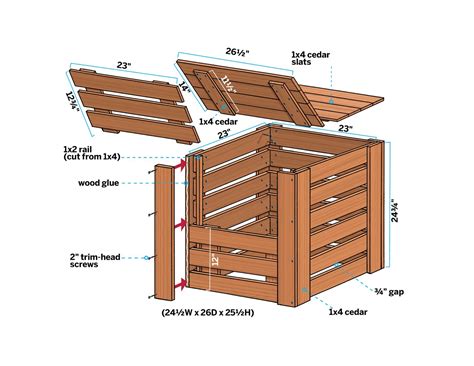
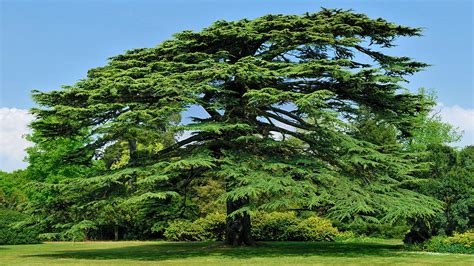
Western Red Cedar is a popular choice for raised garden beds, and for good reason. It contains natural oils that act as fungicides and insect repellents, making it highly resistant to rot and decay. While it might be a bit pricier upfront than common pine, its longevity often makes it a cost-effective solution in the long run. Cedar is also lightweight, easy to work with, and aesthetically pleasing.
- Pros: Excellent natural rot resistance, chemical-free, attractive, easy to cut.
- Cons: Can be more expensive than untreated pine; availability and price can vary regionally.
2. Treated Pine: A Cost-Effective Option (with Caveats)
Pressure-treated pine is often the most budget-friendly option available at big box stores. Modern treated lumber typically uses Alkaline Copper Quaternary (ACQ) or Copper Azole (CA) as preservatives, which are considered safer than older Chromated Copper Arsenate (CCA) treatments. While many gardeners still prefer to avoid direct contact with edible plants, using a non-permeable liner (like 6-mil plastic sheeting) between the treated wood and the soil can be a good compromise for cost savings.
- Pros: Highly affordable, widely available, very good rot resistance.
- Cons: Chemical concerns (even modern treatments), requires proper sealing for maximum lifespan.
3. Cypress: Durable and Attractive
Cypress, especially bald cypress, is another excellent option known for its natural resistance to decay and insect damage. It contains cypretine, an oil that gives it these protective qualities. Cypress is durable, stable, and boasts an attractive grain. Its availability and price can be more regional than cedar or treated pine, but if you can source it, it’s a fantastic choice for longevity.
- Pros: Good natural rot and insect resistance, beautiful appearance, durable.
- Cons: Can be more expensive, regional availability varies.

4. Black Locust or Juniper: The Untapped Gems
If you’re looking for extreme durability and longevity, and are willing to source from specialty lumber yards, Black Locust and Juniper are exceptional choices. Both are incredibly dense and naturally resistant to rot, often outlasting even cedar. Black Locust is known to last for decades, even in ground contact. While these options might have a higher upfront cost and be harder to find, their unparalleled lifespan can justify the investment.
- Pros: Extremely high natural rot resistance, exceptional longevity.
- Cons: Less common in standard lumberyards, potentially higher cost, harder to work with due to density.
Extending the Life of Your Raised Beds
Regardless of the wood you choose, several practices can further extend the life of your raised garden beds:
- Use Liners: A heavy-duty plastic liner (like pond liner or 6-mil poly sheeting) between the wood and the soil can prevent moisture transfer and chemical leaching (if using treated lumber). Just remember to cut drainage holes in the bottom.
- Ensure Good Drainage: Proper drainage at the bottom of your beds prevents water from pooling and saturating the wood.
- Elevate Off the Ground: If possible, place a gravel base or use footer boards made of a highly durable material to lift the main bed frame slightly off the soil, preventing constant ground contact.
- Protect End Grain: Seal exposed end grain with a non-toxic, exterior-grade sealer, as end grain absorbs moisture more readily.

Making Your Choice
When selecting wood for your DIY raised garden beds, balance your budget with your desired lifespan and safety concerns. Cedar offers a great blend of natural resistance and aesthetics. Treated pine is economical but may require liners. Cypress provides good durability and beauty, while Black Locust or Juniper offer ultimate longevity for those seeking a premium, long-term solution. By making an informed decision and implementing protective measures, you can enjoy beautiful and productive raised beds for many gardening seasons to come.