Budget-friendly tips for predator-proofing a backyard chicken coop for egg safety?

Protecting Your Flock and Their Golden Yield
Raising chickens can be a rewarding experience, providing fresh eggs and charming companionship. However, the joy of backyard poultry can quickly turn to heartbreak if predators target your flock or steal their valuable eggs. Safeguarding your chickens and ensuring the safety of your egg supply doesn’t have to be an expensive endeavor. With smart planning, readily available materials, and a bit of DIY spirit, you can create a fortress that keeps your hens happy and your eggs intact without breaking the bank.
Know Your Enemy: Common Predators
To effectively predator-proof your coop, it’s crucial to understand who you’re up against. Common chicken predators vary by region but often include raccoons, foxes, opossums, weasels, skunks, hawks, owls, and even domestic dogs. Each has its own method of entry: raccoons are adept at opening latches, foxes are diggers and chewers, and aerial predators strike from above. Understanding their tactics is the first step in building an impenetrable defense.
Reinforcing the Coop: Walls, Floor, and Roof
Hardware Cloth: Your Best Friend
Forget chicken wire for predator-proofing – it’s designed to keep chickens in, not predators out. For true security, invest in 1/2-inch or 1/4-inch hardware cloth. This sturdy, welded wire is difficult to chew through and offers superior protection. Secure it over all windows, vents, and any openings larger than 1/2 inch. Use heavy-duty staples or screws with washers to ensure it’s firmly attached to the coop’s frame.

Securing the Foundation
Many ground predators, like foxes and skunks, are notorious diggers. To prevent them from tunneling under your coop, create a “hardware cloth skirt” around the perimeter. Bury hardware cloth at least 12-18 inches deep and extend it horizontally outwards 12-18 inches. This creates an L-shape barrier that discourages digging. Alternatively, pour a concrete foundation or place the coop on a raised, solid platform.
Doors and Latches
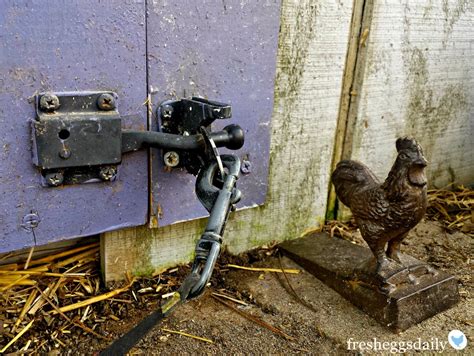
Raccoons, with their dexterous paws, can easily manipulate simple latches. Upgrade all coop doors with predator-proof latches such as barrel bolts, strong carabiners, or a two-step latch system. Ensure that all doors fit snugly within their frames, leaving no gaps for prying paws or noses. For pop-hole doors, a slide-bolt latch or even a simple hook-and-eye with a carabiner can work effectively if secured properly.
Beyond the Coop: Perimeter and Deterrents
Clearing the Landscape
A tidy backyard is a safer backyard for your flock. Remove any dense brush, woodpiles, old tires, or junk that could provide cover for predators. Keep the grass mowed around the coop to eliminate hiding spots. The less cover a predator has, the less likely they are to approach your coop undetected.
Motion-Activated Lights and Sounds
Inexpensive solar-powered motion-sensor lights can be a surprisingly effective deterrent for nocturnal predators. When an animal triggers the light, it often spooks them away. For an added layer of defense, some chicken keepers swear by leaving a radio playing quietly near the coop at night; human voices can deter curious wildlife. Just ensure it’s sheltered from the elements and volume is appropriate for your neighbors.

Smart Management for Egg and Flock Safety
Timely Egg Collection
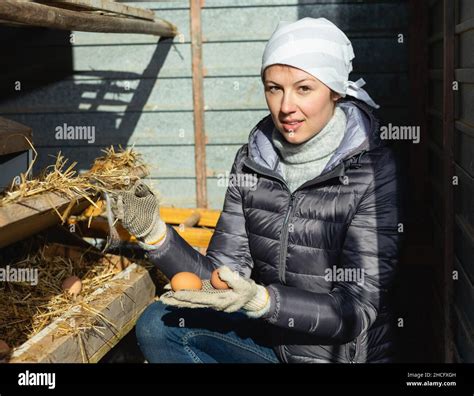
Leaving eggs in nesting boxes for extended periods is an open invitation for rodents, snakes, and other egg-loving predators. Make it a routine to collect eggs at least once, preferably twice, daily. This not only keeps your eggs safe but also encourages hens to lay in designated nesting areas.
Locking Up at Dusk
The simplest and most budget-friendly predator-proofing tip is also the most critical: close and securely latch all coop doors and pop-holes every single evening at dusk. Most predators are nocturnal, and by securing your flock before nightfall, you dramatically reduce their vulnerability.
Nesting Box Design and Placement
While not strictly a predator-proofing measure, thoughtful nesting box design can indirectly contribute to egg safety. Ensure nesting boxes are dark, private, and located inside the secure coop, away from any potential points of entry. Consider designing boxes that are easy for you to access but difficult for external threats to reach.
Conclusion: A Secure Home for Happy Hens
Predator-proofing your chicken coop is an ongoing effort, but it doesn’t have to be costly. By focusing on essential structural reinforcements like hardware cloth, securing all entry points, maintaining a tidy environment, and implementing consistent routines, you can create a safe haven for your chickens. These budget-friendly tips will help ensure your flock remains healthy, happy, and continues to provide you with delicious, safe eggs for years to come.