Budget real food: Tips for large families on a country living income?

Feeding a large family on a tight budget while prioritizing real, wholesome food is a significant challenge, especially when living on a country income. Often, a country income means fewer immediate job opportunities or a reliance on seasonal work, making careful financial planning crucial. However, the rural setting itself can offer unique advantages for sourcing and preparing nutritious meals. With a bit of strategic thinking and embracing traditional skills, it’s entirely possible to put delicious, real food on the table for everyone without breaking the bank.
Master the Art of Meal Planning and Bulk Buying
The foundation of any budget-conscious food strategy is meticulous meal planning. Spend time each week mapping out every meal, considering what ingredients you already have and what can be purchased economically. Focus on meals that stretch ingredients, like casseroles, stews, soups, and dishes using legumes and whole grains. Buying non-perishable staples like rice, pasta, oats, and flour in bulk from local wholesalers or co-ops can lead to substantial savings. Look for sales on meats and freeze them in family-sized portions.

Embrace Gardening and Local Sourcing
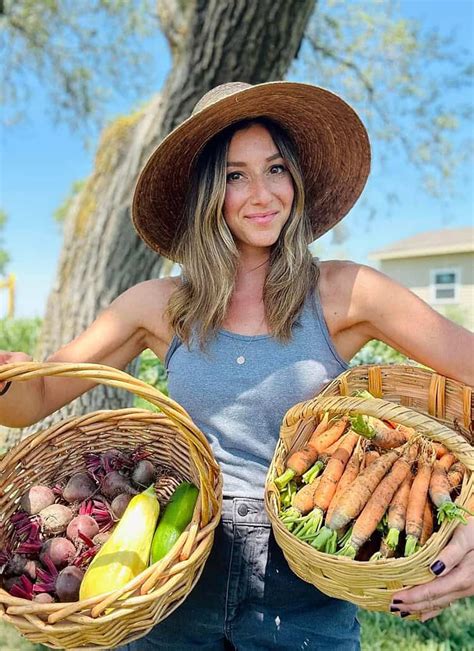
Living in the country often provides space for a garden, even a small one. Growing your own vegetables, fruits, and herbs can drastically cut down on grocery bills and provide the freshest possible produce. Start with easy-to-grow, high-yield crops like zucchini, tomatoes, beans, potatoes, and leafy greens. If gardening isn’t an option, explore local farmers’ markets, roadside stands, or U-pick farms. Often, prices are lower directly from the producer, and you’re supporting your community. Consider foraging for wild edibles like berries, mushrooms (only if you are an expert), or dandelions, but always ensure you can positively identify anything before consuming.
Cook from Scratch and Limit Processed Foods
The biggest secret to real food on a budget is minimizing processed foods. These often carry a high price tag for convenience and offer less nutritional value. Learning to cook meals from scratch using basic ingredients is a game-changer. Bake your own bread, make homemade sauces, dressings, and broths. This not only saves money but also gives you complete control over the ingredients, avoiding unhealthy additives. Involve older children in the cooking process to teach them valuable life skills and lighten your workload.

Smart Shopping Strategies
Beyond bulk buying, smart shopping involves several tactics. Always shop with a list and stick to it to avoid impulse purchases. Compare unit prices to ensure you’re getting the best deal. Don’t shy away from store-brand items; they often offer comparable quality at a lower cost. If possible, visit different stores for specific deals. For instance, one store might have better produce prices, while another excels in dairy or meat sales. Keep an eye out for manager markdowns on items nearing their sell-by date that can be cooked or frozen immediately.
Minimize Food Waste through Preservation
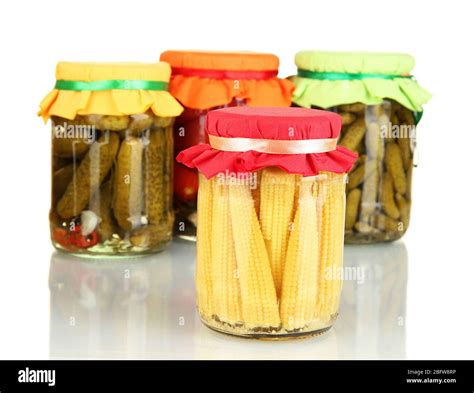
Wasting food is like throwing money away. Implement strategies to use every bit of what you buy or grow. Learn basic food preservation techniques like canning, freezing, drying, or fermenting. Leftovers can be repurposed into new meals or frozen for future quick dinners. Vegetable scraps can be used to make nutritious broths. Keep an organized pantry and refrigerator so you know what you have and can use items before they spoil. First-in, first-out (FIFO) is a good rule for managing your food supply.
Harness the Power of Community and Bartering
Country living often comes with a strong sense of community. Connect with neighbors, local farmers, or community groups. You might find opportunities to trade goods or services – perhaps your garden surplus for a neighbor’s eggs, or your baking skills for their extra milk. Joining a community-supported agriculture (CSA) program can provide fresh, seasonal produce at a potentially lower cost than traditional retail, and often offers opportunities for volunteer work in exchange for food. Sharing resources, knowledge, and even meals with others can significantly reduce the burden on your family’s food budget.

Conclusion
Feeding a large family real food on a country living income demands creativity, discipline, and a willingness to embrace a more self-sufficient lifestyle. By planning meals meticulously, growing your own produce, cooking from scratch, shopping smartly, minimizing waste, and engaging with your community, you can provide nutritious and delicious meals for your loved ones without stretching your finances thin. It’s a journey that builds resilience, teaches valuable skills, and fosters a deeper connection to your food and environment.