Build a simple compost bin: best materials for kitchen & garden waste?
Unlock Your Garden’s Potential with DIY Composting
Composting is a powerful, eco-friendly way to transform your kitchen scraps and garden waste into nutrient-rich soil amendment. It reduces landfill waste, enriches your soil, and can save you money on fertilizers and soil conditioners. Building your own compost bin is a rewarding DIY project that gives you full control over its size, materials, and efficiency. This guide will walk you through the best materials and simple designs to help you create the perfect home for your decomposing treasures.
Why Build Your Own Compost Bin?
While pre-made composters are readily available, a DIY approach offers several advantages. You can tailor the bin to your specific needs, whether you have a small urban garden or a sprawling backyard. Building your own often costs significantly less, especially if you use reclaimed materials. Plus, there’s the satisfaction of creating something functional with your own hands, contributing directly to a more sustainable lifestyle.
Key Considerations for Your Compost Bin
Before you pick up a hammer, consider these factors:
- Size: How much waste do you generate? A larger bin processes more material but takes up more space.
- Aeration: Good airflow is crucial for aerobic decomposition, preventing odors and speeding up the process.
- Drainage: The bin needs to allow excess water to escape while retaining essential moisture.
- Accessibility: Can you easily add new materials, turn the compost, and harvest the finished product?
- Location: Choose a shaded, well-drained spot, ideally close to both your kitchen and garden.
Top Materials for Your DIY Compost Bin
The best material for your compost bin balances durability, cost, availability, and ease of construction.
Wooden Pallets and Lumber
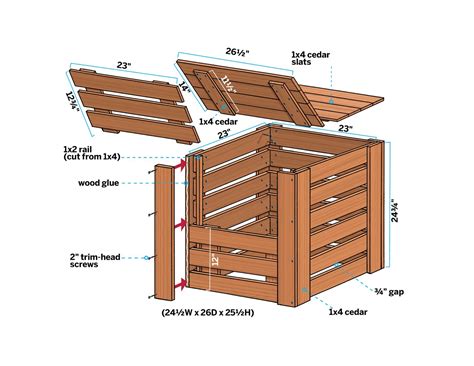
Wooden pallets are a popular choice due to their low cost (often free!) and pre-built structure. They offer natural aeration and are relatively easy to assemble into a three- or four-sided bin. New lumber, especially rot-resistant varieties like cedar or redwood, provides a more aesthetically pleasing and longer-lasting option. Avoid treated lumber, as chemicals can leach into your compost.
Wire Mesh (Hardware Cloth/Chicken Wire)
Wire mesh is excellent for creating simple, cylindrical bins. It’s inexpensive, offers superior aeration, and is very easy to set up and move. Hardware cloth (with smaller openings) is generally more durable and better at containing finer materials than chicken wire. However, these bins might struggle to retain heat in colder climates and offer less protection from pests if not secured properly.
Recycled Plastic Barrels or Bins
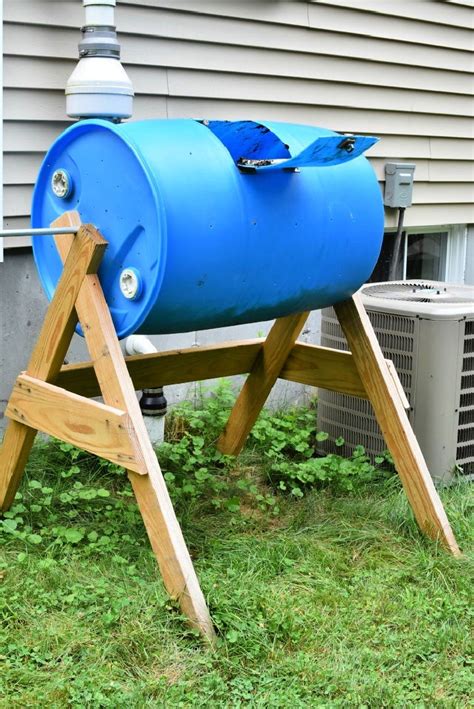
An old plastic barrel or large tote can be repurposed into a tumbler or static bin. Plastic is highly durable, rot-proof, and retains moisture well. For a static bin, you’ll need to drill numerous holes for aeration and drainage. For a tumbler, you’ll need to mount it on a frame, making turning effortless. Ensure the plastic previously held non-toxic contents.
Concrete Blocks or Bricks
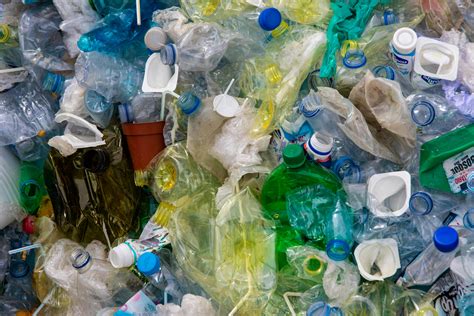
For a permanent, robust compost structure, concrete blocks or bricks are an excellent choice. They are highly durable, provide good insulation, and can be stacked without mortar for a semi-permanent solution with good airflow. While initially more labor-intensive and costly, they offer longevity and can be quite visually appealing.
Popular Simple Compost Bin Designs
The Pallet Bin (Single or Dual Chamber)
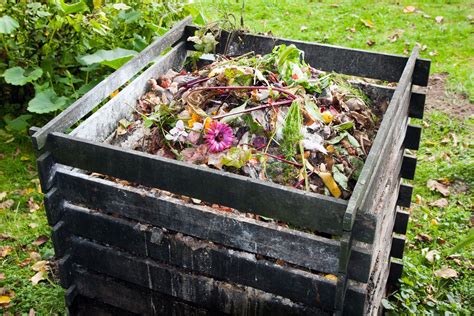
Constructing a pallet bin is straightforward. For a single bin, simply stand four pallets on end to form a square, securing them with screws, bolts, or heavy-duty zip ties. For a dual-chamber system (ideal for turning compost from one bin to another), use five or six pallets to create two adjoining compartments. Leave one side hinged or easily removable for harvesting.
The Wire Mesh Cylinder
This is arguably the simplest bin to build. Cut a length of wire mesh (about 10-12 feet for a good size) and form it into a cylinder, securing the ends with wire or zip ties. Place it directly on the ground. To harvest, simply unclip the cylinder and lift it off the pile, leaving the finished compost behind.
Essential Tips for Successful Composting
- Balance Greens and Browns: Aim for a 50/50 mix of “greens” (nitrogen-rich: kitchen scraps, grass clippings) and “browns” (carbon-rich: dry leaves, wood chips, shredded paper).
- Maintain Moisture: Your compost pile should be as damp as a wrung-out sponge. Water it if it’s too dry.
- Turn Regularly: Turning the pile every week or two introduces oxygen, speeds decomposition, and prevents anaerobic smells.
- Chop Materials: Smaller pieces break down faster.
- What to Avoid: Meat, dairy, oily foods, pet waste, diseased plants, and chemically treated wood can attract pests, cause odors, or introduce pathogens.
Conclusion
Building your own compost bin is a fantastic step towards a more sustainable and productive garden. Whether you opt for the rustic charm of pallets, the simplicity of wire mesh, or the durability of concrete, the right materials and a well-thought-out design will ensure your composting efforts are successful. Start today, and watch your kitchen and garden waste transform into a valuable resource, enriching your soil and nurturing a healthier environment.