Building a low-cost, predator-proof chicken coop for backyard layers?

Why Build Your Own Predator-Proof Coop?
For backyard chicken enthusiasts, providing a safe and comfortable home for your layers is paramount. Store-bought coops can be prohibitively expensive, and often lack the robust predator protection needed to keep your flock safe from foxes, raccoons, coyotes, and even aerial threats. Building your own not only saves money but allows you to customize features for optimal security and comfort.
This guide will walk you through the essential steps and considerations for constructing a low-cost, predator-proof chicken coop that will keep your hens happy and secure for years to come.
Planning Your Predator-Proof Coop
Before you lift a hammer, thoughtful planning is crucial. Consider the number of chickens you intend to keep (allow 3-4 square feet per bird inside the coop, and 8-10 square feet per bird in the run). Think about your local climate – does it get very cold, hot, or rainy? This will influence ventilation, insulation, and roofing choices. Finally, scout your backyard for the best location: a spot with good drainage, some shade, and easy access for cleaning and egg collection.

Selecting Affordable and Durable Materials
Cost-effectiveness doesn’t mean sacrificing quality when it comes to predator protection. Here’s what to look for:
- Framing: Reclaimed lumber (pallets, old fence posts, construction scraps) can significantly reduce costs. If buying new, opt for pressure-treated lumber for ground contact points to prevent rot.
- Siding: Plywood (exterior grade), corrugated metal sheets, or even reclaimed barn wood are good options. Ensure any gaps are sealed.
- Roofing: Corrugated metal, asphalt shingles, or even sturdy tarps (as a temporary measure or under another layer) can work. A sloped roof is essential for water runoff.
- Flooring: Plywood with a layer of linoleum or vinyl for easy cleaning. Consider a hardware cloth bottom under a solid floor for extra burrowing protection.
- Windows/Ventilation: Use hardware cloth over openings for airflow, never chicken wire.
- Critical Security Material: Hardware cloth (1/2-inch or 1/4-inch gauge) is non-negotiable. This is your primary defense against small predators and must be used everywhere chicken wire would typically go.
Constructing the Coop Structure
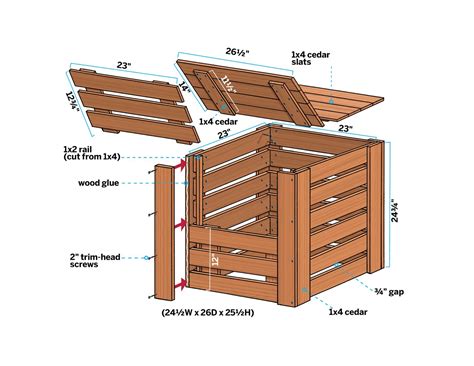
Begin by building a sturdy base, elevated off the ground to prevent moisture damage and make it harder for burrowing predators. Frame the walls using your chosen lumber, ensuring they are plumb and square. Install your chosen siding, making sure all seams are tight and secure. Create openings for doors, windows, and ventilation points.

A well-designed roof with an overhang will protect your coop from the elements. Install roosting bars inside, positioned higher than nesting boxes, and construct easily accessible nesting boxes. Ensure all interior surfaces are smooth to prevent injuries to your birds and make cleaning easier.
Fortifying Against Predators
This is where your coop truly becomes predator-proof:
- Hardware Cloth Everywhere: Replace all chicken wire with 1/2-inch or 1/4-inch hardware cloth. Secure it with heavy-duty staples or screws and washers every 4-6 inches.
- Burying the Perimeter: Extend your hardware cloth at least 12-18 inches into the ground around the entire perimeter of the run, either straight down or bent outwards in an ‘L’ shape (an apron) to deter digging predators.
- Secure Latches: Use sturdy, spring-loaded latches or barrel bolts on all doors (coop, run, nesting box access). Consider double-locking mechanisms, as raccoons are notoriously clever.
- Solid Floor or Hardware Cloth Bottom: If your coop sits directly on the ground, lay a layer of hardware cloth under your floor joists or under a thin layer of concrete to prevent digging from below.
- Close All Gaps: Inspect every inch of your coop for gaps larger than 1/2 inch. Seal them with wood, metal flashing, or expanding foam if necessary.
Designing the Chicken Run
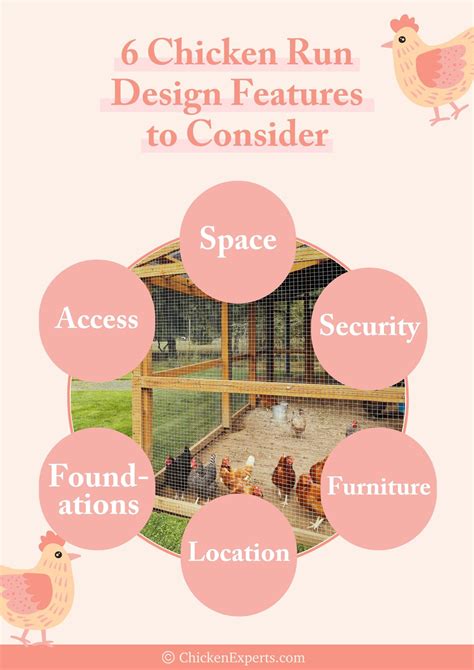
The run should be fully enclosed – top, bottom, and all sides – with hardware cloth. Overhead netting or hardware cloth is crucial to protect against hawks and owls. The run should also incorporate the buried hardware cloth apron discussed above. Ensure the run gate is as secure as the coop door, with strong hinges and a reliable latch.
Ventilation, Lighting, and Interior Features
Good ventilation is key to chicken health. Provide screened windows or vents near the top of the coop to allow hot air to escape, and lower vents for fresh air intake, all covered with hardware cloth. While chickens don’t strictly need artificial light, a simple battery-operated light can be useful for late-night checks. Ensure adequate roosting bars, nesting boxes (one for every 3-4 hens), and easily accessible feeders and waterers, placed to prevent spillage and contamination.

Maintenance for Longevity
Regular inspection and maintenance will extend the life of your coop and ensure continued predator protection. Check for loose hardware cloth, compromised latches, and any new gaps or weak spots. Keep the coop clean to prevent pests and diseases. Promptly repair any damage caused by weather or wear and tear.
Conclusion
Building a low-cost, predator-proof chicken coop is a rewarding DIY project that empowers you to create a safe haven for your backyard flock without breaking the bank. With careful planning, smart material choices, and a strong emphasis on security, you’ll be able to enjoy fresh eggs and healthy chickens, knowing they are well-protected from threats. Happy building!