Building nutrient-rich compost for your backyard homestead garden?
Why Nutrient-Rich Compost is a Game-Changer for Your Homestead
For any backyard homestead gardener, the dream is vibrant, productive plants and healthy, living soil. Nutrient-rich compost is not just a supplement; it’s the very foundation of achieving this dream. Often referred to as ‘black gold,’ compost introduces a complex array of beneficial microbes, essential nutrients, and organic matter into your soil, improving its structure, water retention, and overall fertility. It’s a sustainable practice that turns waste into a valuable resource, reducing landfill contributions while simultaneously boosting your garden’s resilience against pests and diseases.
Building your own compost pile is a rewarding process that connects you more deeply with the cycles of nature in your own backyard. It allows you to tailor the nutrient profile to your garden’s specific needs, fostering a self-sustaining ecosystem right outside your door.
The Foundation: Understanding Your Composting Ingredients
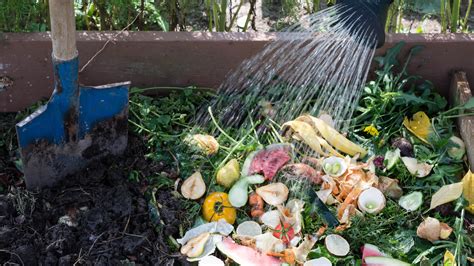
Successful composting hinges on balancing two primary types of materials: ‘greens’ and ‘browns.’ Greens are rich in nitrogen and include items like fresh grass clippings, fruit and vegetable scraps, coffee grounds, and plant trimmings. These materials fuel the microbial activity that generates heat and breaks down the pile.
Browns, on the other hand, are high in carbon and provide the bulk and structure for your compost pile. Examples include dry leaves, straw, wood chips, shredded newspaper, and cardboard. A good rule of thumb is to aim for a ratio of roughly two to three parts browns to one part greens. Too many greens can make your pile slimy and odorous, while too many browns will slow down decomposition significantly.
Beyond greens and browns, water and air are critical. Your compost pile needs to be consistently moist, like a wrung-out sponge, to support microbial life. Regular turning or aerating the pile ensures oxygen reaches all parts, preventing anaerobic conditions that lead to unpleasant smells and slower decomposition.
Choosing Your Composting Method
There are several methods for composting, each with its own advantages, suitable for different garden sizes and personal preferences. Hot composting involves actively managing the pile’s greens-to-browns ratio, moisture, and aeration to achieve high temperatures (130-160°F), which rapidly breaks down materials and kills weed seeds and pathogens. This method can produce finished compost in a matter of weeks to months.
Cold composting is a more passive approach, simply layering materials and letting nature take its course over several months to a year. While slower, it requires less hands-on effort. Beyond traditional open piles, you can use specialized compost bins, tumblers (great for quick turning and aeration), or even worm farms (vermicomposting) for kitchen scraps. Consider your available space, the volume of material you’ll be composting, and your desired speed of production when choosing a method.
![[英単語]various の意味・使い方・発音 | 英語・英会話の効果的な学習法|PM English[全無料]](/images/aHR0cHM6Ly90czQubW0uYmluZy5uZXQvdGg/aWQ9T0lQLjNxMWZEOGlSNndWd01BUlV0bUozRFFIYUV2JnBpZD0xNS4x.webp)
What to Add and What to Avoid
To ensure your compost is both safe and effective for your garden, it’s crucial to be mindful of what you’re adding. Ideal materials include fruit and vegetable scraps, spent coffee grounds and filters, tea bags, eggshells, grass clippings, leaves, straw, hay, wood ash (in moderation), shredded newspaper and cardboard, and untreated wood chips.
Conversely, some materials should never go into a backyard compost pile. These include meat, bones, dairy products, and oily foods, as they can attract pests and create foul odors. Pet waste can harbor harmful pathogens, and diseased plants can spread illness to your garden. Avoid chemically treated wood or plants that have been sprayed with pesticides, as these can introduce undesirable substances into your finished compost.
Building and Maintaining Your Compost Pile
When building your pile, start with a layer of coarse browns at the bottom to ensure good drainage and airflow. Then, alternate layers of greens and browns, ideally moistening each layer as you go. Aim for layers that are a few inches thick. As you add new materials, mix them in with the existing compost to distribute microbes and maintain an even decomposition rate.
Regular turning is key, especially for hot composting. Turn the pile every few days or once a week to introduce oxygen and move materials from the cooler edges to the warmer center. Check the moisture level frequently; if it’s too dry, add water; if it’s too wet, add more browns. A well-managed compost pile should not smell bad; an ammonia smell indicates too many greens, while a rotten smell suggests too little air or too much moisture.

Troubleshooting is part of the process. If your pile isn’t heating up, it likely needs more nitrogen (greens) or more moisture, or it’s too small. If it smells, it probably needs more air (turn it!) or more carbon (browns).
Harvesting and Using Your “Black Gold”
You’ll know your compost is ready when it’s dark brown, crumbly, and has an earthy smell. There should be no recognizable original materials, although a few larger pieces of wood or twig are acceptable. The temperature inside the pile will have stabilized and dropped to ambient levels.
Harvesting usually involves removing the finished compost from the bottom or sides of the pile, leaving the newer, undecomposed materials to continue breaking down. You can sift it for a finer product, though this isn’t strictly necessary for most garden uses.

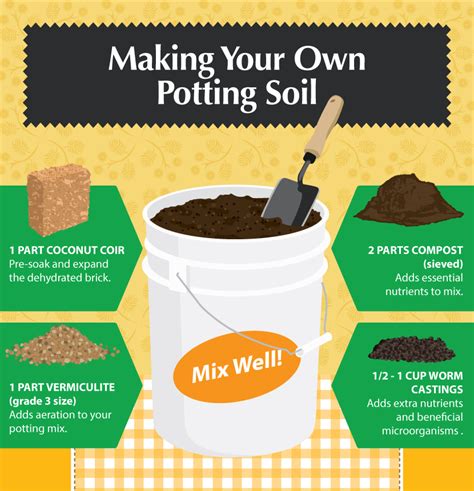
Finished compost can be used in numerous ways in your homestead garden. Mix it into garden beds before planting to enrich the soil, use it as a nutrient-rich top dressing around established plants, or incorporate it into potting mixes for seedlings. Spreading a layer of compost as mulch helps suppress weeds, retain soil moisture, and slowly release nutrients throughout the growing season.
Conclusion
Building nutrient-rich compost is one of the most impactful and sustainable practices you can adopt for your backyard homestead garden. It’s a cycle of life that transforms kitchen and yard waste into a vibrant, living amendment that enhances soil health, boosts plant vigor, and creates a more resilient and productive garden ecosystem. Embrace the process, experiment with your materials, and watch as your ‘black gold’ unleashes the full potential of your homestead harvest.