




Cast iron skillet care: how to season for non-stick, everyday cooking?

Understanding the Magic of Cast Iron Seasoning
Cast iron skillets are beloved by chefs and home cooks alike for their incredible durability, even heat distribution, and ability to impart a unique flavor to food. However, their true superpower lies in a well-maintained seasoning, which transforms a raw iron pan into a naturally non-stick cooking surface. Seasoning isn’t a one-time event; it’s a layer of polymerized oil that bonds to the iron, creating a smooth, slick finish that improves with every use. This process is crucial for preventing rust, creating a non-stick surface, and enhancing the flavor of your food.
Many myths surround cast iron care, making it seem daunting, but achieving a beautifully seasoned skillet for non-stick, everyday cooking is remarkably straightforward. It requires a bit of initial effort and consistent, simple maintenance.
The Initial Seasoning Ritual (or Re-seasoning a Neglected Pan)
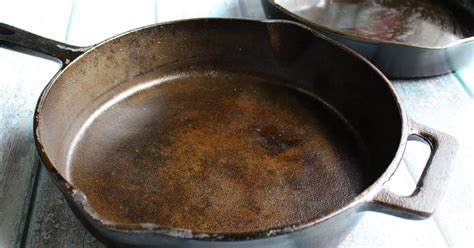
Whether you have a brand-new skillet or an old one needing a refresh, the foundational seasoning process is key. Most new cast iron comes pre-seasoned, but an extra layer or two can significantly improve its performance from day one.
Step-by-Step Guide:
- Clean Thoroughly: If new, simply rinse with warm water and dry. If re-seasoning an old, rusty, or sticky pan, scrub it vigorously with hot soapy water and a stiff brush or steel wool until all rust, old seasoning, and gunk are removed. Rinse completely.
- Dry Completely: This is critical. Place the clean skillet on a stovetop over medium heat for a few minutes until all moisture has evaporated. Water is cast iron’s enemy, leading to rust.
- Apply a Thin Layer of Oil: Once dry and slightly warm, remove from heat. Apply a very thin, even layer of high smoke point cooking oil (such as flaxseed, grapeseed, canola, or vegetable oil) to every surface of the skillet – inside, outside, and handle. Use a paper towel to rub it in, then use a clean paper towel to wipe off as much as you can, as if you made a mistake and put too much on. The goal is a microscopically thin film; too much oil will lead to a sticky, gummy finish.
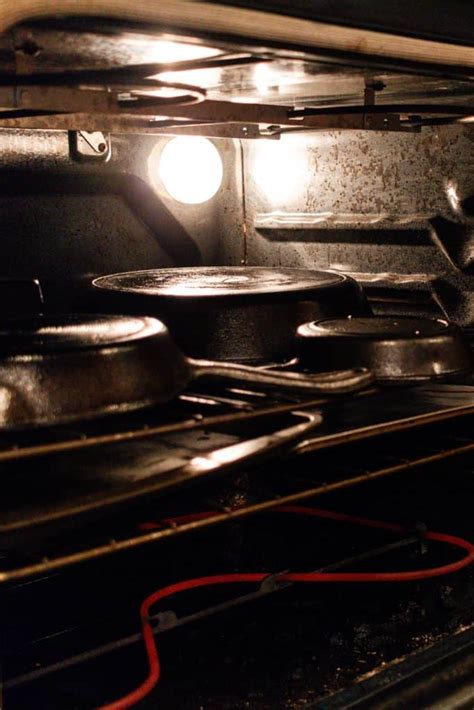
- Bake to Polymerize: Preheat your oven to 450-500°F (230-260°C). Place the skillet upside down on the middle rack. Place a baking sheet or aluminum foil on the rack below to catch any drips. Bake for one hour. This high heat polymerizes the oil, transforming it into a hard, non-stick surface.
- Cool and Repeat: After one hour, turn off the oven and let the skillet cool completely inside the oven. Once cool, repeat the oiling and baking process 3-5 times for optimal initial seasoning. Each layer adds to the pan’s non-stick properties and durability.
Everyday Care: Maintaining Your Seasoning
The true secret to a perpetually non-stick cast iron skillet is consistent, mindful daily care. Every time you cook and clean, you’re either building up or breaking down the seasoning.
Post-Cooking Cleaning Routine:
- Clean Immediately: While the skillet is still warm (but not scalding hot), scrape out any food bits. For stubborn residue, use a pan scraper or a stiff brush. Avoid abrasive scouring pads that can strip seasoning.
- Wash with Warm Water: For most uses, warm water and a brush are sufficient. Contrary to popular belief, a small amount of mild dish soap is fine on a well-seasoned pan; it won’t strip the seasoning if used sparingly. However, avoid harsh detergents or dishwashers at all costs.
- Dry Thoroughly: Again, critical! Immediately after washing, dry the skillet completely with a towel. Then, place it back on the stovetop over low heat for a few minutes until any remaining moisture has evaporated. This prevents rust.
- Apply a Maintenance Oil Layer: Once dry and slightly warm, rub another very thin layer of high smoke point oil (like grapeseed or vegetable oil) all over the cooking surface. Buff it with a clean paper towel until the surface looks dry but has a subtle sheen. This adds another micro-layer of seasoning and protects the pan until its next use.

Troubleshooting Common Cast Iron Issues
Even with the best intentions, you might encounter some common cast iron challenges. Don’t worry, most are easily fixable.
- Sticky or Gummy Surface: This happens when too much oil was applied during seasoning or maintenance, and it didn’t fully polymerize. To fix, scrub the sticky areas with hot water and a stiff brush, or even a bit of salt as an abrasive, then re-oil and bake in the oven as described in the initial seasoning steps.
- Food Sticking: This indicates that your seasoning needs more layers or better care. Try cooking with more fat initially, ensure the pan is preheated properly, and continue with diligent post-cook oiling. If it’s severe, a full re-seasoning might be needed.
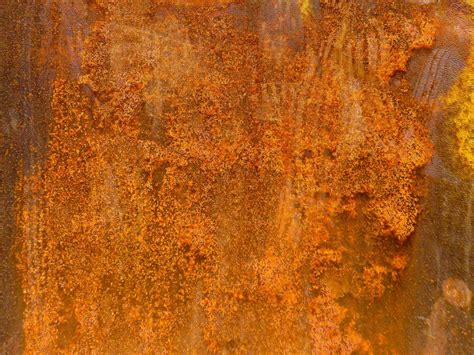
- Rust Spots: Rust occurs when moisture is left on the pan. Scrub the rust off with steel wool or a stiff brush, then rinse, dry thoroughly on the stove, and immediately apply a generous layer of oil. A light re-seasoning bake might be beneficial afterwards.
Tips for Cooking with Your Seasoned Skillet
A well-seasoned skillet is a joy to cook with, but a few practices can maximize its non-stick potential and culinary performance:
- Preheat Properly: Always preheat your cast iron skillet gradually over medium heat for several minutes before adding food. This ensures even heat distribution and prevents sticking.
- Use Enough Fat: Even with a great seasoning, using a little oil, butter, or other cooking fat helps ensure food slides easily and contributes to the pan’s seasoning over time.
- Avoid Acidic Foods Initially: While your seasoning is developing, try to avoid cooking highly acidic foods (like tomato sauce or lemon juice) for extended periods, as they can strip away nascent seasoning. Once your skillet has a robust, multi-layered seasoning, this becomes less of a concern.
- Scrape, Don’t Scrub: For stuck-on bits, use a metal spatula or a plastic pan scraper rather than harsh scrubbing. The scraping action can actually help smooth the seasoning.
Embracing cast iron cooking is a journey. With consistent care and a little patience, your skillet will become a cherished, naturally non-stick workhorse that you’ll pass down for generations, making everyday cooking a truly satisfying experience.