



Clever ways to use garden produce before it spoils?

The garden’s bounty is a joy, but sometimes it feels like a race against time to use up all that fresh produce before it wilts or spoils. Don’t let your hard work go to waste! With a little creativity and some clever planning, you can transform your harvest into delicious meals and long-lasting provisions. This article will explore practical and inventive ways to savor every last bit of your garden’s goodness.
Embrace the Freezer: Your Best Friend for Preservation
Freezing is arguably the easiest and most effective way to extend the life of most fruits and vegetables. Blanch greens like spinach and kale before freezing, chop bell peppers and onions for future stir-fries, and hull berries for smoothies or desserts. Even tomatoes can be frozen whole (wash them first!) to be defrosted and used in sauces later. Don’t forget herbs; finely chop them and freeze in olive oil or water in ice cube trays for instant flavor boosts.
For cooked dishes, consider making large batches of ratatouille, chili, or pasta sauce and freezing them in individual portions. This not only preserves your produce but also creates convenient ready-to-eat meals for busy days.

Canning and Pickling: The Art of Long-Term Storage
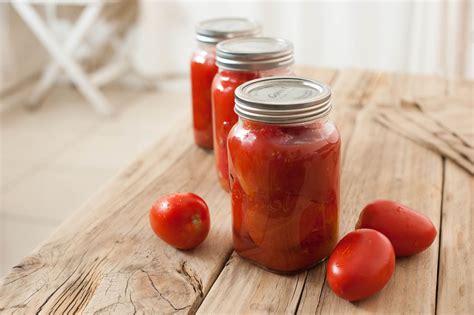
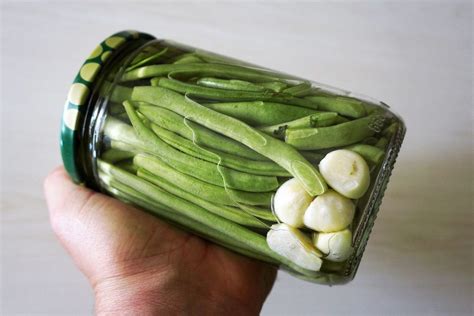
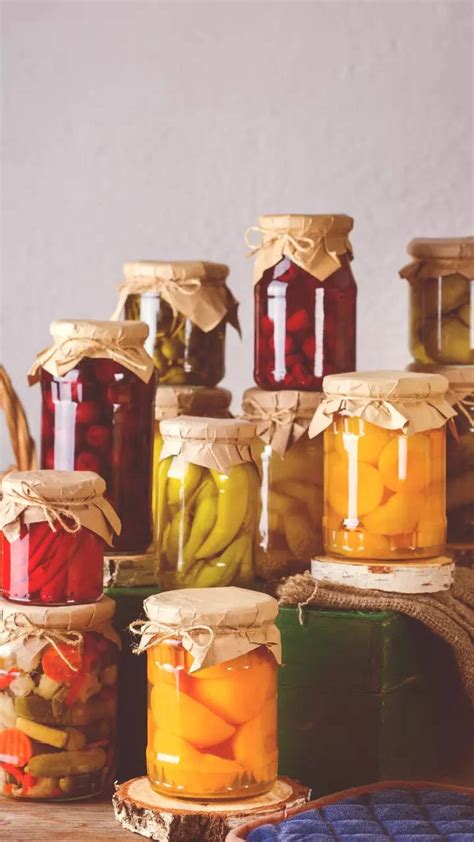
While requiring a bit more effort, canning and pickling offer shelf-stable solutions that can last for months, even years. Water bath canning is perfect for high-acid foods like fruits, tomatoes (often with added lemon juice), and pickles. Think jams, jellies, apple sauce, and pickled cucumbers, beans, or peppers. Pressure canning is necessary for low-acid vegetables, ensuring safe, long-term storage.
Pickling doesn’t always require full canning; quick pickles, stored in the refrigerator, are a fantastic way to add a tangy crunch to almost any meal. Experiment with different vinegars, spices, and vegetables like carrots, radishes, and green beans.
Cook in Bulk and Get Creative in the Kitchen
When you have an abundance of one type of produce, think big! Roast large trays of vegetables like zucchini, squash, and bell peppers to add to salads, pasta, or as a side dish throughout the week. Make a giant batch of vegetable broth using scraps and less-than-perfect produce. Puree extra greens into pestos or add them to smoothies for a nutritional boost.
Got lots of cucumbers? Make gazpacho or a refreshing cucumber salad. Overflowing with tomatoes? Salsa, bruschetta, and homemade ketchup are excellent options. Even sweet produce can be incorporated into savory dishes, like grilled peaches with chicken or roasted root vegetables with herbs.

Dehydrating: Concentrating Flavor and Extending Life
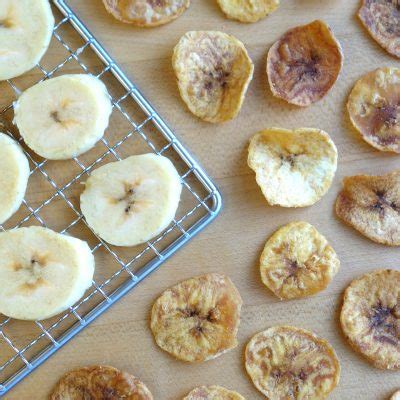
Dehydrators (or even a low oven) can transform excess produce into nutrient-dense snacks and ingredients. Dry herbs for seasonings, make fruit leather from overripe fruit, or create sun-dried tomatoes (oven-dried, in this case). Dried mushrooms, zucchini chips, and kale crisps are also delicious and long-lasting.
Dehydrated vegetables can be rehydrated and added to soups, stews, or casseroles, providing a taste of summer even in the depths of winter.
Fermentation: A Living Way to Preserve and Enhance
Fermentation is an ancient technique that not only preserves food but also enhances its flavor and nutritional value. Sauerkraut from cabbage, kimchi from various vegetables, and lacto-fermented pickles are all excellent ways to use up a harvest. The process involves beneficial bacteria that break down sugars, creating a tangy, complex flavor and a host of probiotics beneficial for gut health.
Start with simple ferments like a basic sauerkraut and explore from there. You’ll be amazed at the depth of flavor you can achieve with just salt, water, and time.
Share the Bounty and Minimize Waste
If you’ve genuinely exhausted all preservation and cooking options, don’t let good food go to waste. Offer excess produce to neighbors, friends, or family. Consider donating to local food banks or community kitchens. Many communities also have “gleaning” programs or produce swap events where you can exchange your surplus for something else.
Finally, any unusable scraps or spoiled produce can still serve a purpose in a compost bin, returning nutrients to the soil and completing the garden’s cycle.
Conclusion
Managing an abundant garden harvest doesn’t have to be overwhelming. By employing a mix of freezing, canning, dehydrating, fermenting, and creative cooking, you can ensure that every delicious morsel of your homegrown produce is enjoyed. These methods not only prevent food waste but also allow you to savor the flavors of your garden long after the growing season has ended, bringing a taste of summer to your table year-round.