

Creative homemade recipes for maximizing your country garden’s preserved harvest?
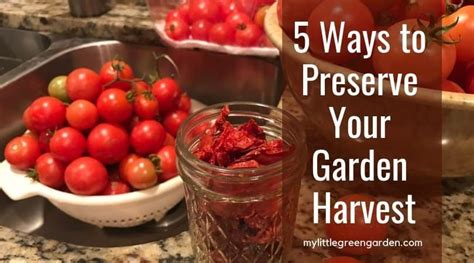
A country garden, with its bountiful produce, is a true blessing, but it can also present a delightful challenge: how to preserve and enjoy every last bit of the harvest? Moving beyond basic canning, this article explores creative and delicious homemade recipes that transform your garden’s abundance into year-round culinary delights, ensuring no precious yield goes to waste.
Savory Staples & Meal Prep Helpers
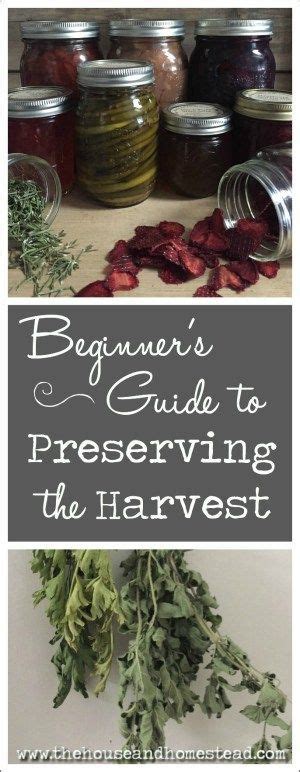
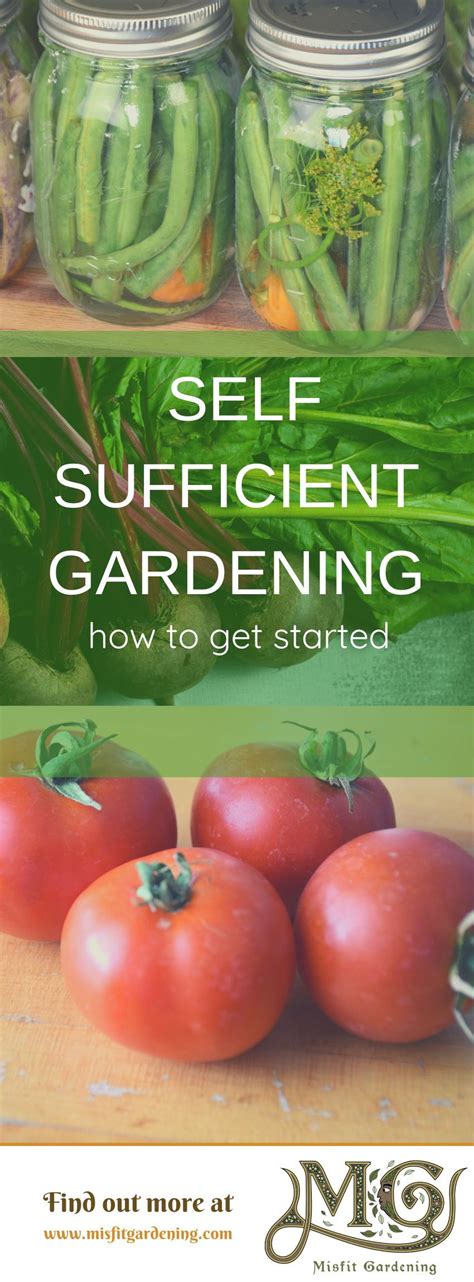
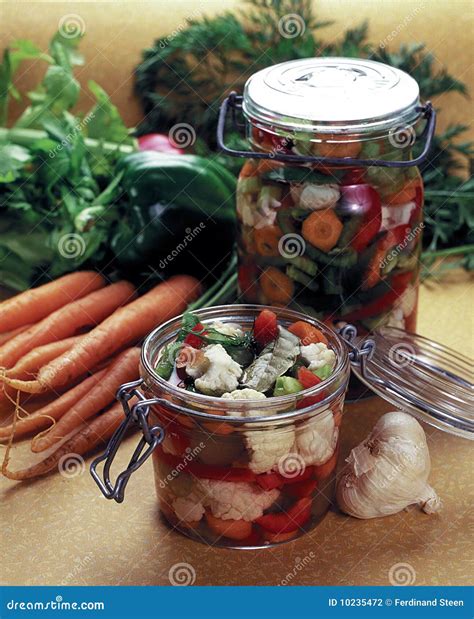
Transforming fresh vegetables into versatile pantry staples is key to maximizing your harvest. Think beyond simple tomato sauce and get inventive with your savory creations. A rich, slow-cooked roasted vegetable pasta sauce, brimming with garden tomatoes, peppers, onions, and zucchini, can be frozen in portions or canned for quick weeknight meals. You can also make a vibrant pesto with various greens—basil, arugula, spinach, or even carrot tops—and freeze it in ice cube trays for individual servings. Pickled green beans, dilly cucumbers, or spicy jalapeños add a tangy crunch to any dish.
Another fantastic idea is homemade vegetable broth. Collect trimmings and scraps from carrots, celery, onions, leeks, and herbs throughout the growing season, freeze them, and then use them to create a flavorful, nutrient-rich broth that can be frozen or pressure-canned. This zero-waste approach adds depth to soups, stews, and risottos.
Sweet Indulgences & Breakfast Boosters
When your fruit trees and berry bushes are overflowing, it’s time to get creative with sweet preserves. Classic jams and jellies are wonderful, but consider trying a lower-sugar chia seed jam that utilizes the natural pectin in chia seeds, letting the fruit’s true flavor shine. Spiced apple butter, slow-cooked to a dark, caramelized perfection, is fantastic on toast or as a topping for yogurt and ice cream. Dehydrated fruit leathers, made from pureed berries or stone fruits, are healthy, portable snacks perfect for lunchboxes or hiking.
Don’t overlook less common sweet treats. Candied zucchini peels or pumpkin peels, flavored with cinnamon and ginger, can become unique garnishes or additions to baked goods. Fruit-infused vinegars, made with berries or stone fruit, create delightful dressings or refreshing drink bases.

Refreshing Beverages & Infusions
Your garden offers a wealth of ingredients for delightful drinks and infusions. Elderflower cordial, made from the fragrant blossoms, is a quintessential summer treat, perfect diluted with sparkling water or added to cocktails. Herbal teas, blended from dried mint, lemon balm, chamomile, or hibiscus, provide soothing warmth year-round.
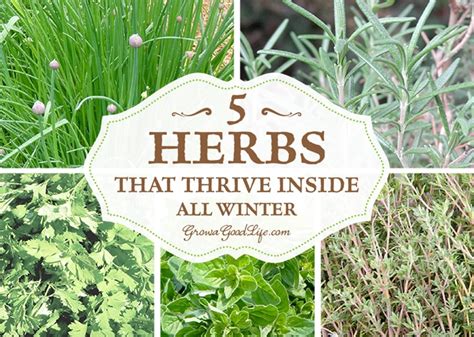
For something with a bit more zing, try making fruit-infused drinking vinegars, also known as shrubs. These tangy, sweet concoctions are excellent mixed with seltzer for a probiotic-rich beverage or used as a unique cocktail mixer. Infuse spirits like vodka or gin with garden herbs such as rosemary, thyme, or lavender for custom libations.

Fermented Delights & Pantry Powerhouses
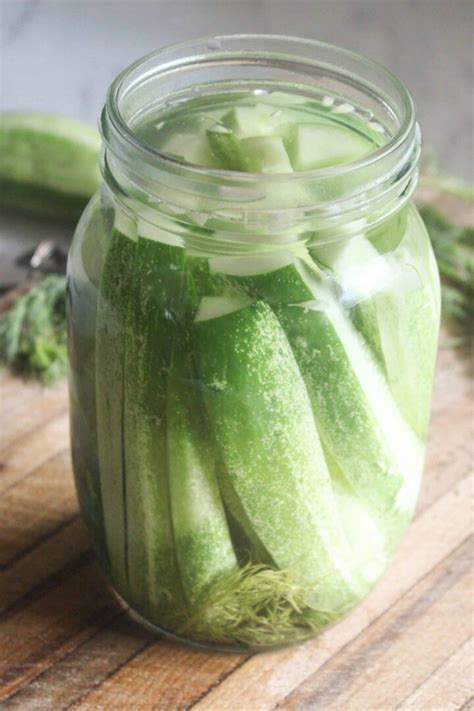
Fermentation is an ancient and incredibly beneficial way to preserve your harvest while boosting its nutritional value. Sauerkraut, made from shredded cabbage, is a classic and easy-to-make fermented food. Beyond cabbage, you can ferment almost any vegetable: carrots, radishes, green beans, or a mix of garden greens for a vibrant lacto-fermented pickle. Kimchi, a Korean fermented side dish, is another excellent option for using up various vegetables and adding a spicy kick to your meals.
These probiotic-rich foods not only last for months but also offer incredible health benefits. They can be enjoyed as side dishes, added to sandwiches, or used as a tangy counterpoint in rich stews.
Uncommon Gems & Zero-Waste Ideas
Sometimes, the most creative preservation comes from using parts of plants often discarded. Beyond broth from vegetable scraps, consider making flower jellies from edible blooms like rose petals or dandelions. Infuse oils with garlic, chili, or sun-dried tomatoes for gourmet cooking oils. Preserve citrus peels by candying them or drying them for zest. Even root vegetable tops, like beet greens or turnip greens, can be blanched and frozen or sautéed and mixed into pestos.
Embrace the challenge of a truly zero-waste garden. Every leaf, stem, and bloom has potential. Experiment with different spices, vinegars, and sugars to create unique flavor profiles that reflect your personal taste and the bounty of your land.

Maximizing your country garden’s preserved harvest is an art form, blending tradition with creativity. By exploring these diverse recipes—from savory sauces and sweet spreads to refreshing beverages and fermented delights—you can ensure your garden’s generosity continues to nourish and inspire long after the growing season ends. Happy preserving!