DIY: Best wood for long-lasting raised garden beds?
Building Durable Raised Garden Beds: Your Wood Selection Guide
Raised garden beds offer numerous benefits, from improved drainage and soil quality to easier accessibility and pest control. However, the longevity of your raised bed largely depends on one critical decision: the type of wood you choose. Exposed to constant moisture, soil, and the elements, the wrong wood can rot away in just a few seasons, leading to wasted effort and resources. This guide will help you navigate the options, focusing on durability, safety, and sustainability, so you can build a garden bed that stands the test of time.
Key Characteristics for Long-Lasting Raised Bed Wood
When selecting wood for your raised garden beds, consider the following essential characteristics:
- Rot Resistance: This is paramount. The wood will be in constant contact with moist soil, making inherent rot resistance vital.
- Non-Toxicity: Avoid woods or treatments that can leach harmful chemicals into your soil, especially if you plan to grow edibles.
- Durability and Strength: The wood needs to withstand the pressure of soil and water without warping or breaking down quickly.
- Availability and Cost: While premium woods offer superior longevity, budget and local availability are practical considerations.
Top Choices for Naturally Rot-Resistant Wood
These woods are highly recommended for their natural ability to resist decay and pests, without the need for chemical treatments.
Western Red Cedar
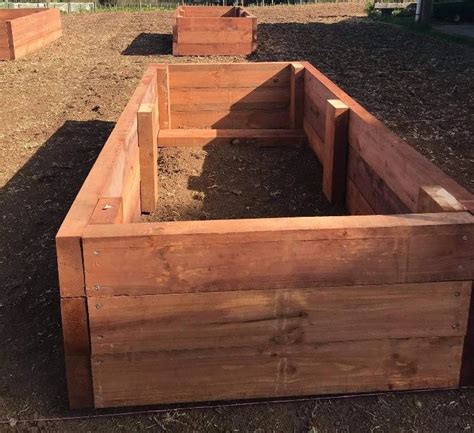
Cedar is a widely popular choice for raised garden beds, and for good reason. Its natural oils make it highly resistant to rot, decay, and insect infestation. It’s also lightweight, easy to work with, and aesthetically pleasing. While it comes at a higher price point than some other options, its longevity (10-15+ years, often more) makes it a worthwhile investment. Crucially, cedar is non-toxic, making it safe for growing all types of produce.
Redwood
Similar to cedar, redwood boasts exceptional natural resistance to rot and insects due to its high tannin content. It’s incredibly durable and can last for decades in a garden setting. Redwood is also non-toxic, making it an excellent, safe choice for edibles. However, it’s often more expensive and less available outside of its native regions (primarily the West Coast of the USA), which can be a significant factor.
Black Locust
Often considered the most rot-resistant North American hardwood, black locust can last 20-50+ years even in ground contact. It’s incredibly dense and strong, making it an excellent choice for raised beds. The main drawbacks are its hardness, which makes it challenging to work with, and its limited availability, as it’s not commonly sold as lumber in standard sizes. If you can source it, black locust is an outstanding, naturally non-toxic option.
Juniper
Eastern Red Cedar (a type of juniper) and other juniper species are gaining popularity for raised beds due to their impressive natural decay resistance, similar to Western Red Cedar. They are also aromatic and can deter some pests. Availability might be regional, but if found, it’s a durable and non-toxic option.

The Debate: Treated Wood
For decades, pressure-treated lumber was a common choice for outdoor construction due to its enhanced rot resistance. However, traditional pressure-treated wood (CCA – Chromated Copper Arsenate) was phased out for residential use in 2003 due to concerns about arsenic leaching. Modern pressure-treated woods (ACQ, MCQ, Copper Azole) use copper-based preservatives. While manufacturers generally deem them safe for vegetable gardens, some gardeners remain cautious about potential copper leaching into the soil, especially for organic gardening. If you opt for modern treated lumber, consider lining the inside of the bed with a heavy-duty food-grade plastic sheeting (not pond liner) to create a barrier between the wood and the soil.
Other Durable Options and Considerations
Cypress
Cypress, particularly old-growth cypress, has good natural decay resistance due to its cypressene content. While new-growth cypress is less resistant, it’s still a decent option, especially if you can find “pecky” cypress, which refers to wood with unique pockets caused by fungus that don’t compromise its structural integrity in this application. It’s non-toxic and relatively durable.
Douglas Fir or Pine (with liners)
Common, inexpensive woods like Douglas Fir or untreated Pine will not last long when in direct contact with soil (typically 2-5 years). However, their lifespan can be significantly extended by lining the inside of your raised bed with a thick, food-grade plastic barrier. This prevents direct soil-to-wood contact, dramatically reducing rot. Remember to poke small drainage holes in the bottom of the liner to prevent waterlogging.
Woods to Avoid
Generally, avoid untreated softwoods like spruce, hemlock, or common pine without proper lining. They will quickly succumb to rot and decay, requiring frequent replacement. Also, be wary of reclaimed wood unless its origin and prior treatment are absolutely certain, especially if it was previously painted or treated with unknown chemicals.
Maintenance for Maximum Lifespan
Even with the best wood, proper maintenance can further extend the life of your raised beds:
- Good Drainage: Ensure your beds have adequate drainage to prevent waterlogging, which accelerates rot.
- Keep Sides Clean: Minimize soil buildup on the exterior surfaces of the wood.
- Seasonal Inspection: Check for signs of rot or damage annually and address them promptly.
- Sealants (Exterior Only): Consider applying an exterior-grade, non-toxic wood sealant to the outside surfaces of the bed to protect against UV and moisture, but avoid applying it to the interior where it can leach into the soil.
Conclusion
Choosing the right wood for your raised garden beds is an investment in your gardening future. For the longest-lasting and safest options, naturally rot-resistant woods like Western Red Cedar, Redwood, and Black Locust are superior choices. If budget is a primary concern, consider lining less expensive woods like Douglas Fir or untreated Pine. With careful selection and a little maintenance, your raised garden beds will provide a beautiful and productive space for many growing seasons to come.