



DIY chicken coop: affordable, predator-proof plans?
Why Build Your Own Chicken Coop?
Embarking on a DIY chicken coop project is a rewarding experience that offers numerous benefits. Beyond the satisfaction of creating something with your own hands, building your coop allows for complete customization to fit your yard’s unique dimensions and your flock’s specific needs. More importantly, it provides an unparalleled opportunity to ensure both affordability and robust predator protection, two critical factors for any successful backyard chicken keeping endeavor.
Commercial coops can be expensive and often lack the robust security features necessary to deter local wildlife. By taking the DIY route, you control material costs and can strategically implement defenses tailored to common predators in your area, ultimately saving money and protecting your valuable birds.

Designing for Affordability: Smart Material Choices
The cornerstone of an affordable DIY chicken coop lies in smart material sourcing. Don’t feel pressured to buy everything new. Repurposing and salvaging materials can significantly cut costs. Consider:
- Pallets: Often available for free, pallets can be deconstructed for lumber to frame walls or create roosting bars.
- Reclaimed Wood: Check local construction sites (with permission!), Craigslist, or demolition companies for discarded lumber.
- Old Windows/Doors: These can be incorporated for ventilation, light, or even as access points, saving on purchasing new hardware.
- Metal Roofing Scraps: Durable and long-lasting, metal scraps can provide excellent roofing material.
- Thrift Store Finds: Look for old cabinets or dressers that can be modified into nesting boxes.
When purchasing new materials, opt for cost-effective options like standard untreated lumber (for areas not in direct contact with the ground), basic plywood, and chicken wire (for internal run fencing, *not* predator protection).
Predator-Proofing Essentials: Beyond Chicken Wire
This is arguably the most crucial aspect of your coop design. Relying solely on standard chicken wire for external protection is a common mistake; it’s designed to keep chickens in, not predators out. True predator-proofing requires a multi-layered approach:
1. Hardware Cloth is Your Best Friend
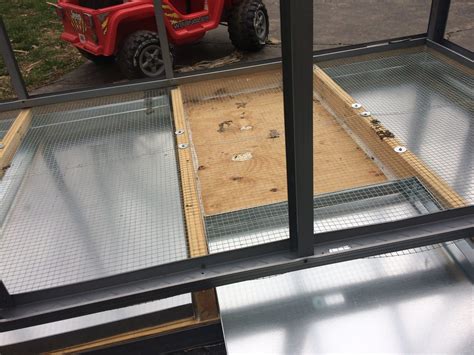
For all openings, vents, and the perimeter of your run, use 1/2-inch or 1/4-inch galvanized hardware cloth. This material is strong enough to withstand chewing and clawing from raccoons, foxes, and opossums, unlike flimsy chicken wire. Secure it with screws and washers, not just staples, ensuring no gaps larger than a finger.
2. Secure Foundations and Dig Guards
Many predators will try to dig under your coop or run. To prevent this, extend your hardware cloth at least 12-18 inches underground, or create an L-shaped apron around the perimeter. The L-shaped apron involves laying hardware cloth flat on the ground, extending outward 12-18 inches from the base of the coop/run, and covering it with dirt or rocks. This discourages digging attempts.
3. Robust Latches and Doors
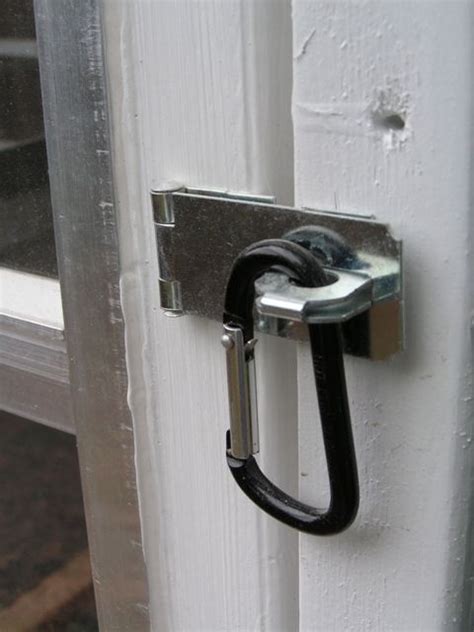
Predators are surprisingly intelligent and persistent. Simple hook-and-eye latches are not enough. Invest in heavy-duty barrel bolts, carabiners, or combination locks for all doors and access points. Ensure doors fit snugly within their frames, leaving no gaps for prying.
4. Elevated Coops and Solid Walls
Raising your coop off the ground makes it harder for ground predators to access. Even a foot or two can make a difference. Use solid walls where possible, especially on the lower sections of the coop, reducing vulnerable points. Plexiglass or sturdy polycarbonate can be used for windows where light is desired but security is paramount.
5. Overhead Protection for the Run
Don’t forget aerial predators like hawks and owls. Cover the top of your chicken run with hardware cloth, sturdy netting, or even a solid roof. This also provides shade and shelter from rain.
Integrating Design and Security
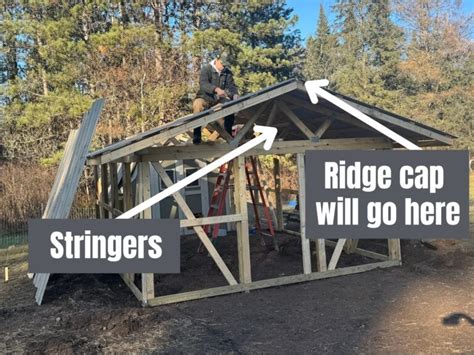
When planning your DIY coop, think about how affordability and predator-proofing can work hand-in-hand. A simple A-frame or shed-style design can be easier to build from salvaged materials and offers fewer complex joints for predators to exploit. Prioritize ventilation (covered with hardware cloth!) and ease of cleaning, as a healthy flock is a happy, productive flock.
Remember to regularly inspect your coop for any signs of wear, tear, or attempted breaches. Patch any holes immediately. With careful planning and execution, your DIY chicken coop will provide a safe, comfortable, and affordable home for your feathered friends for years to come.