



DIY compost bin: best design for garden waste & rich soil?
Why Build Your Own Compost Bin?
Creating your own compost bin is a rewarding DIY project that offers numerous benefits for your garden and the environment. It diverts organic waste from landfills, reduces the need for chemical fertilizers, and produces a free, nutrient-dense soil amendment that will make your plants thrive. But with various designs available, which one is truly the best for handling typical garden waste and yielding that coveted rich, dark soil?
The ‘best’ design often depends on your specific needs: the volume of waste you produce, your available space, budget, and how much effort you’re willing to put in. Let’s explore some popular DIY options.
Popular DIY Compost Bin Designs
1. The Pallet Compost Bin: Simple & Effective
Perhaps the most common and cost-effective DIY compost bin, a pallet bin is incredibly easy to construct. You’ll typically need 3-4 wooden pallets, which can often be sourced for free. Fasten them together to create a three-sided or four-sided enclosure. This design excels for:
- Garden Waste: Large openings mean it can handle bulky garden waste like old plants, leaves, and grass clippings without clogging.
- Aeration: The gaps between the pallet slats provide excellent airflow, crucial for aerobic decomposition and preventing foul odors.
- Rich Soil: With proper turning and layering, pallet bins produce high-quality compost. Its open nature makes turning with a pitchfork relatively easy.
Considerations: It’s not rodent-proof, and compost can dry out quickly in hot climates without a cover.
2. Wire Mesh Compost Bin: Quick & Adaptable
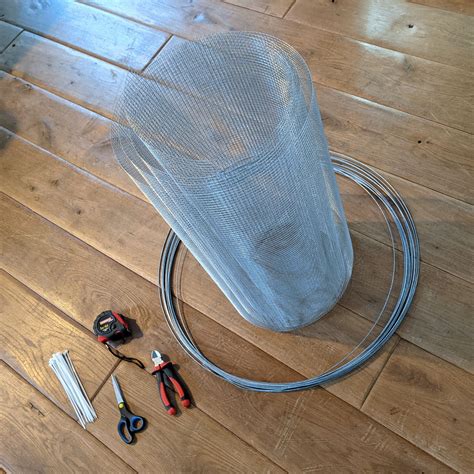
For a super-fast and flexible solution, a wire mesh bin is hard to beat. Simply form a cylinder or square from sturdy galvanized wire mesh (like hardware cloth or chicken wire) and secure the ends. These are perfect for smaller gardens or as supplementary bins.
- Garden Waste: Ideal for leaves, grass clippings, and smaller plant debris. Large volumes of woody material might make it difficult to manage.
- Aeration: Excellent airflow due to the mesh structure.
- Rich Soil: Produces good compost, especially if turned regularly. Its light structure allows you to simply lift the bin off the pile to turn it.
Considerations: Less robust than pallets, can allow material to fall out if not carefully constructed, and also not rodent-proof.
3. The Three-Bin System: For Serious Composting
If you have a large garden and generate a lot of waste, a three-bin system (often built from pallets or lumber) is a fantastic investment. This design allows for a continuous composting process:
- Bin 1: For fresh waste.
- Bin 2: For actively decomposing compost, turned regularly.
- Bin 3: For finished, curing compost ready for the garden.
This system manages large volumes of garden waste exceptionally well, promoting efficient decomposition and continuous production of rich soil. It’s perfect for those aiming for a steady supply of mature compost.

4. DIY Barrel/Tumbler Compost Bin: Speedy Decomposition
While many tumblers are store-bought, you can DIY a simple version using an old plastic barrel mounted on a rotatable frame. The main advantage is easy turning – just give it a spin. This mixes the contents thoroughly, accelerating decomposition.
- Garden Waste: Best for smaller, chopped garden waste and kitchen scraps. Large branches won’t fit or tumble well.
- Aeration: Good when turned frequently, but can become anaerobic if not spun often enough.
- Rich Soil: Can produce compost faster than static bins due to frequent mixing.
Considerations: Limited capacity compared to open bins, and drilling sufficient drainage/aeration holes is crucial.
Key Factors for the “Best” Design
When choosing your DIY design, consider:
- Aeration: Good airflow is vital to prevent anaerobic conditions and odors.
- Moisture Retention: Compost needs to be consistently damp, like a wrung-out sponge. Some designs might need a cover.
- Ease of Turning/Mixing: Regular turning speeds up decomposition and ensures even breakdown.
- Material & Cost: Opt for readily available, free or low-cost materials that are durable.
- Rodent/Pest Control: If kitchen scraps are a significant component, consider designs that offer better enclosure.
Tips for Maximizing Your Compost Quality
No matter your bin design, these principles will help you create excellent compost:
- Balance Greens & Browns: Aim for a roughly 50/50 mix. Greens (nitrogen-rich like grass clippings, food scraps) provide moisture and nitrogen. Browns (carbon-rich like dry leaves, wood chips, cardboard) provide bulk and aeration.
- Keep it Moist: Water your compost pile if it gets too dry, especially in open bins.
- Turn Regularly: Aerate your pile weekly or bi-weekly to speed up decomposition.
- Chop Materials: Smaller pieces break down faster.
Conclusion: Choosing Your Ideal Bin
For most home gardeners dealing with typical garden waste and aiming for rich soil, the pallet compost bin offers an excellent balance of ease of construction, cost-effectiveness, and composting efficiency. For larger gardens, the three-bin system built from pallets or wood takes the crown. If space is limited or speed is a priority for smaller amounts, a simple wire mesh bin or DIY barrel setup can be highly effective.
Ultimately, the best design is the one you’ll use consistently. Start composting today and watch your garden flourish with nature’s own fertilizer!