
DIY compost bin designs for a small backyard homestead, using recycled wood?
Composting in a Small Backyard: Eco-Friendly Solutions with Recycled Wood
For many small backyard homesteaders, space is a premium, yet the desire to live sustainably and enrich their soil remains strong. Composting is an essential practice, turning kitchen scraps and yard waste into valuable organic matter. Doing so with recycled wood not only reduces your environmental footprint further but also adds a rustic, natural aesthetic to your outdoor space. This article explores several DIY compost bin designs perfect for compact areas, all while leveraging the charm and sustainability of reclaimed timber.
Why Compost, Especially in a Small Space?
Composting offers a multitude of benefits, regardless of yard size. It significantly reduces household waste sent to landfills, enriches your garden soil, improves drainage, and helps retain moisture. For a small backyard, it’s about maximizing resources. Every scrap of organic material can be turned into a valuable amendment for raised beds, containers, or small garden patches, eliminating the need to buy synthetic fertilizers and reducing the output of your green bin.
The Appeal of Recycled Wood for Your Compost Bin
Choosing recycled wood for your compost bin is a win-win. It’s often free or inexpensive, making your project budget-friendly. Sourcing materials like discarded pallets, old fence boards, or reclaimed lumber from demolition sites diverts waste from landfills and gives new life to forgotten resources. Beyond the economic and environmental advantages, recycled wood brings character and a sense of history to your homestead, seamlessly blending with a sustainable lifestyle.
Simple DIY Compost Bin Designs for Small Spaces
When working with limited space, compact, efficient designs are key. Here are a few ideas that are easy to build with recycled wood:
1. The Pallet Bin (Single or Double Chamber)
Pallets are perhaps the easiest and most common recycled wood source. Their pre-built slatted structure provides excellent airflow, which is crucial for aerobic composting. For a small space, a single-chamber bin (four pallets forming a square) is ideal. If you have slightly more room, a double-chamber system allows you to have one bin actively composting while you fill the other.
- Construction: Stand four pallets upright to form a square. Secure them at the corners using heavy-duty zip ties, bolts, or screws. For added stability, you can attach corner posts. Leave one side hinged or easily removable for turning and emptying.
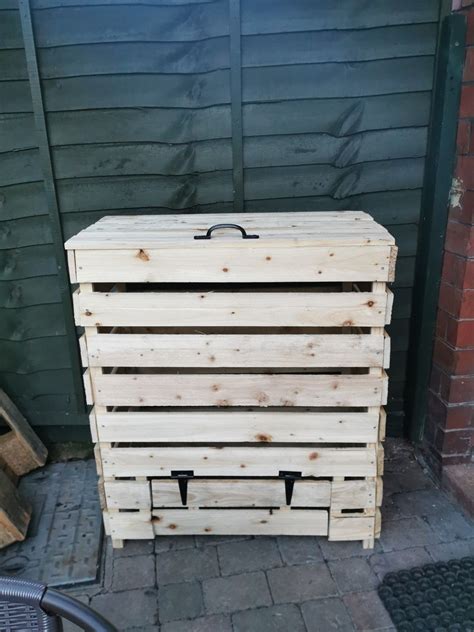
2. The Slatted Board Bin
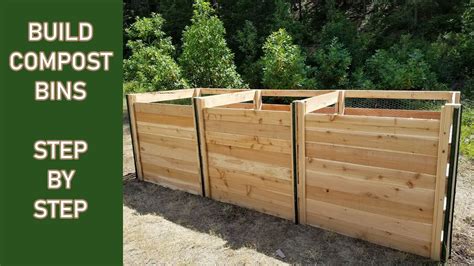
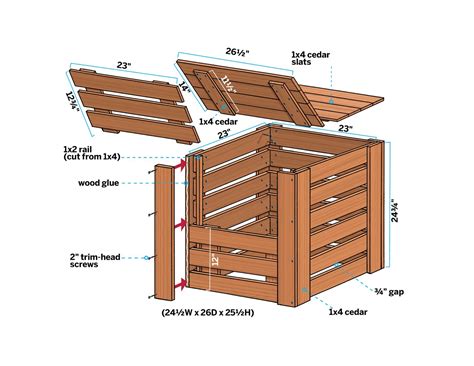
This design offers more flexibility in terms of size and shape. You can use old fence pickets, reclaimed decking, or any other slatted wood you find. The key is to leave gaps between the boards for airflow.
- Construction: Cut your recycled boards to uniform lengths for the sides. You’ll need four corner posts (e.g., 2x2s or larger scraps). Screw or nail the boards horizontally to the corner posts, leaving a 1-inch (2.5 cm) gap between each board for ventilation. You can make it square or rectangular to fit your specific space.
3. The Stackable/Modular Bin
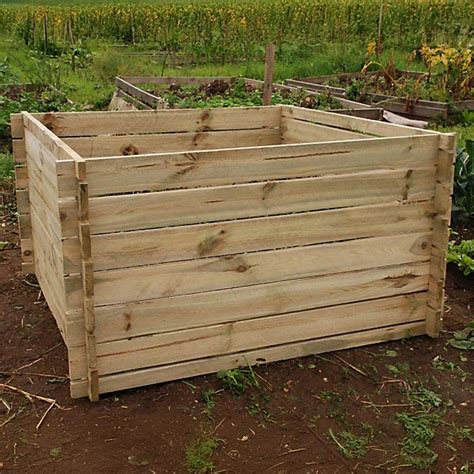
This design is highly adaptable for small spaces, as it can be built vertically or expanded horizontally if needed. It often uses interlocking frames.
- Construction: Create several identical square or rectangular frames from recycled wood. The frames can be designed to simply stack on top of each other, held together by gravity or simple dowels/pins. This allows easy access to turn compost by removing upper layers and can be built higher rather than wider.
Key Considerations for Small Space Compost Bins
- Location: Choose a spot that is accessible, somewhat shady (to prevent drying out), and not directly against your house or a neighbor’s fence. Consider proximity to your garden and kitchen.
- Size: Tailor the bin size to your family’s waste output and available space. Even a small bin can produce significant compost over time.
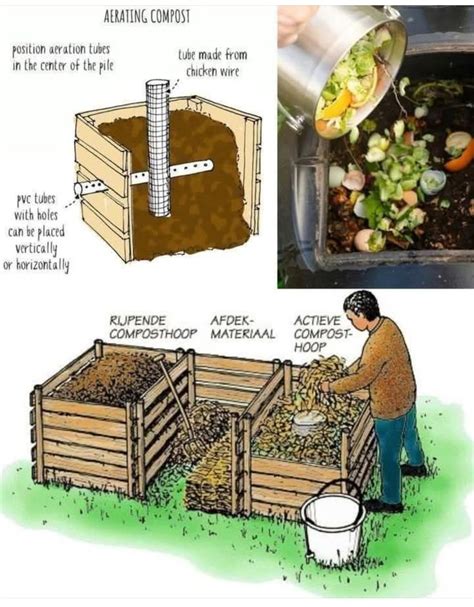
- Aeration: All designs must allow for good airflow to prevent anaerobic (smelly) decomposition. Gaps between boards are essential.
- Accessibility: Ensure you can easily add materials, turn the compost, and remove the finished product.
- Pest Control: While wood bins generally deter larger pests, consider adding hardware cloth (wire mesh) to the bottom and possibly the sides if you have issues with rodents.
Tips for Successful Small-Scale Composting
Once your recycled wood bin is built, successful composting requires a few simple practices:
- Balance Greens and Browns: Aim for a mix of nitrogen-rich ‘greens’ (fruit and veggie scraps, grass clippings) and carbon-rich ‘browns’ (dry leaves, shredded cardboard, wood chips). A rough 2:1 brown-to-green ratio is ideal.
- Keep it Moist: The pile should feel like a damp sponge. Water if it’s too dry, or add more browns if it’s too wet.
- Turn Regularly: Aerating the pile by turning it with a fork or shovel helps speed up decomposition and prevents odors. Aim for once a week if possible.
- Chop Materials: Smaller pieces break down faster.
- Avoid Problematic Items: Do not add meat, dairy, oily foods, pet waste, or diseased plants, as these can attract pests and introduce pathogens.
Conclusion
Building a DIY compost bin from recycled wood for your small backyard homestead is a rewarding project that embodies sustainability. With careful planning and a little effort, you can create an efficient system that transforms waste into a valuable resource for your garden. Choose a design that fits your space, gather your recycled materials, and start turning your scraps into nutrient-rich soil. Your small backyard will thank you!